
Top virtual counseling skills for effective client engagement

TL;DR:
- Virtual counseling requires specific skills like tech fluency, digital empathy, and ethical awareness.
- Building strong therapeutic alliance online predicts significant symptom improvement.
- Developing virtual skills enhances overall clinical effectiveness and reduces therapist burnout.
Shifting from an in-person office to a video platform feels straightforward until your first session where a client freezes mid-disclosure, you misread a subtle facial expression through pixelation, or the silence that should feel therapeutic just feels like lag. The transition to virtual counseling demands far more than a webcam and a quiet room. Clinicians who thrive in digital spaces have intentionally retooled their empathy, communication, and technical skills to fit a fundamentally different context. This guide lays out the exact skills, backed by current research, that help you build stronger alliances, protect client wellbeing, and sustain your own energy in a virtual practice.
Table of Contents
- Essential criteria for mastering virtual counseling
- Key virtual counseling skills every therapist needs
- Comparing virtual to face-to-face counseling: What the data shows
- Building and measuring therapeutic alliance virtually
- A fresh perspective: Why virtual skills make better therapists overall
- Looking to put your virtual counseling skills into practice?
- Frequently asked questions
Key Takeaways
| Point | Details |
|---|---|
| Digital rapport-building | Building strong connections online is vital for therapy success and client progress. |
| Address burnout factors | Virtual counseling may reduce therapist burnout, especially for those with high environmental sensitivity. |
| Skillset flexibility | Mastering virtual skills improves adaptability across all therapy modalities. |
| Alliance equals outcomes | A strong digital alliance predicts greater symptom improvement for clients. |
Essential criteria for mastering virtual counseling
With core challenges in mind, let’s pinpoint the exact criteria you’ll need to thrive in the virtual world.
Virtual counseling is not simply face-to-face therapy relocated to a screen. It requires a distinct set of baseline competencies before you can deliver it effectively. Therapists who treat video sessions as identical to office visits often find themselves frustrated by alliance gaps, ethical blind spots, and premature client dropout.
The non-negotiable foundation includes these core areas:
- Tech fluency: You must be comfortable with your platform, know how to troubleshoot connectivity, and have a backup plan for session disruptions.
- Digital privacy literacy: HIPAA-compliant platforms, secure internet connections, and confidential environments on both ends are mandatory, not optional.
- Adaptability: Online sessions surface unexpected variables, from a client’s noisy household to your own background lighting, and you need to respond without losing clinical focus.
- Digital empathy: Reading emotional cues through a screen requires deliberate attention. Tone, pacing, and brief micro-expressions on a small window demand heightened sensitivity.
- Ethical awareness: Issues like jurisdiction, informed consent for recording, and crisis protocol all look different in a remote context, and you should review telehealth ethics best practices before your first virtual session.
- Self-awareness about your own attitude toward video delivery: Research consistently flags this as a predictor of client outcomes.
Your attitude toward video-based therapy shapes outcomes more than most clinicians expect. Therapists who approach virtual sessions with skepticism, or who unconsciously signal frustration with technology, tend to produce weaker alliances. The good news is that intentional training and genuine curiosity about online delivery can rewire that response quickly. Reading about teletherapy effectiveness is a strong first step for recalibrating your baseline assumptions.
On the burnout side, there is meaningful evidence for clinicians who worry about digital fatigue. Digital psychotherapists show lower burnout, with depersonalization mean differences of 0.37 (p=0.038) and emotional exhaustion differences of 0.44 (p=0.07), with effects most pronounced among therapists with high environmental sensitivity. That means the structured, lower-stimulation environment of virtual therapy may actively protect certain clinicians from burnout spirals.
Pro Tip: Schedule ten minutes between virtual sessions rather than back-to-back bookings. Stand up, look away from the screen, and briefly reset your nervous system. This single habit significantly reduces the cognitive fatigue associated with prolonged video engagement.
Key virtual counseling skills every therapist needs
Now that you know what to look for, let’s break down each key skill and exactly how to develop it as a modern therapist.
Building these skills is not a one-time task. They develop through deliberate practice, peer consultation, and honest self-assessment. Here are the core competencies, defined and made actionable:
- Digital rapport-building: Start every session with a brief, low-stakes check-in that invites the client to signal how they arrived emotionally. A simple “How did the drive or the transition to logging on feel today?” normalizes the format and warms the connection.
- Active listening through a screen: Verbal tracking, summarizing, and reflecting content become more important online because nonverbal signals are compressed. Use more deliberate vocal variety and pausing than you would in person.
- Managing nonverbal communication: Position your camera at eye level so eye contact reads as genuine. Lean slightly forward during moments of emotional weight. These adjustments compensate for the flattening effect of video framing.
- Tech troubleshooting skills: Know your platform’s chat function, audio settings, and screen-share options. Practice switching to a phone call fluidly if video fails. Clients who experience technical chaos during vulnerable disclosures may not return for the next session.
- Privacy and confidentiality protocols: Confirm that clients have a private space before the session begins. Build a confidentiality check into your standard opening. Explain your own setup to normalize the conversation.
- Boundary-setting in digital spaces: Virtual counseling blurs edges. Clients may message between sessions, share their screen without warning, or attempt to extend session time because “we’re just chatting online.” Clear, repeated communication about boundaries is protective for both parties.
- Crisis response protocol: Know how to obtain a client’s physical address before each session. Have local emergency resources saved for every client’s region. Rehearse your verbal de-escalation toolkit because you cannot physically intervene through a screen.
- Cultural responsiveness in digital access: Not all clients have equal access to technology, quiet spaces, or high-speed internet. Reviewing teletherapy best practices will help you build intake questions that surface these barriers early and address them before they become dropout triggers.
The “video inferiority” debate is worth addressing directly here. Literature is mixed on alliance strength, with some meta-analyses showing videoconferencing as inferior to face-to-face, while the therapist’s attitude toward video directly impacts that alliance. That nuance is crucial. The platform does not determine quality. The clinician’s mindset and skill level do.
“Clinicians who actively adapt their engagement strategies for the online environment, rather than simply replicating in-person techniques, consistently report stronger client feedback and greater session utility.” This mirrors what we see across telehealth outcome studies.
Online therapy is as effective as in-person per multiple reviews, though face-to-face is often preferred. Addressing technology barriers and privacy concerns specifically boosts equity and keeps engagement strong across diverse populations. For couples specifically, understanding online couples therapy benefits can help you frame virtual delivery as a genuine option rather than a fallback.
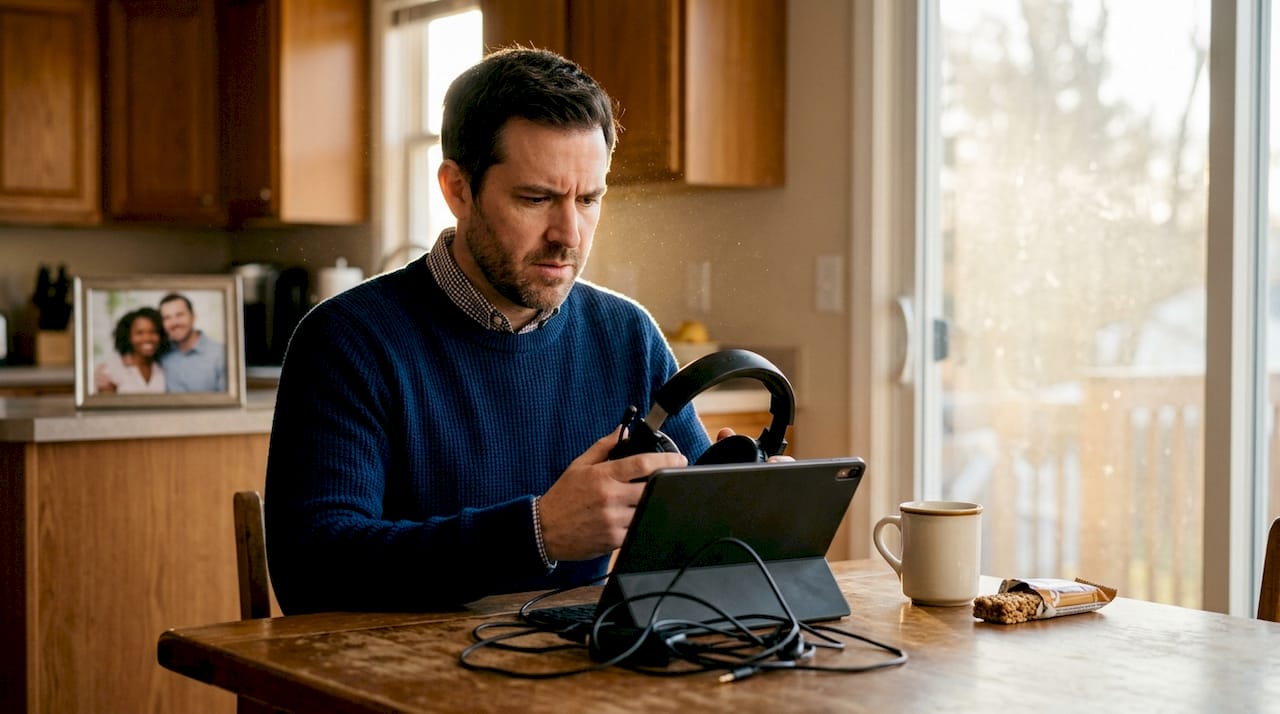
Pro Tip: Record a practice session with your own camera and review it. Most therapists are shocked to discover distracting background elements, unflattering lighting, or unconscious habits like looking at their own image rather than the camera lens. Fixing these issues takes minutes but meaningfully changes how present you appear to clients.
Comparing virtual to face-to-face counseling: What the data shows
With each skill defined, let’s see what research says about their practical impact when delivered through a screen versus in person.
| Factor | Virtual counseling | Face-to-face counseling |
|---|---|---|
| Therapeutic alliance | Variable; shaped heavily by therapist attitude and tech quality | Generally strong when in-person rapport cues are intact |
| Symptom improvement | Equivalent to in-person per multiple reviews | Established, well-documented outcomes |
| Therapist burnout | Lower reported burnout, especially for environmentally sensitive clinicians | Higher burnout risk in high-stimulation environments |
| Client preference | Many prefer face-to-face, but convenience drives virtual adoption | Preferred by clients who value physical presence and nonverbal connection |
| Accessibility and equity | Expands access for rural, mobility-limited, and stigma-sensitive clients | Limited by geography, transportation, and office availability |
| Privacy and ethics | Requires additional protocols and platform compliance | Standard in-office confidentiality structures apply |
The literature on alliance makes one thing clear: video delivery is not automatically inferior. It becomes inferior when therapists fail to adapt their technique and when technological disruptions are not managed proactively.
Consider this scenario. A client with social anxiety comes for a first session. In person, they must navigate a waiting room, make eye contact with a receptionist, and enter an unfamiliar space, all before the session begins. Virtually, they log in from their kitchen, lower their arousal, and may actually disclose more quickly. For this client, virtual delivery is not a reduced version of therapy. It is a better fit. Understanding the benefits of online therapy for specific populations changes how you present virtual options during intake.
The equity dimension matters too. Clients managing high anger or conflict dynamics may benefit from the physical distance virtual delivery provides, at least in early sessions. Clinicians who understand how online therapy works for anger support can leverage the medium strategically rather than apologizing for it.
Building and measuring therapeutic alliance virtually
Understanding virtual delivery in context, let’s focus on the linchpin: forging a therapeutic bond that drives real improvement.
Alliance is not a soft concept. It predicts hard outcomes. In a recent telepsychiatry study, higher alliance predicts 50%+ symptom improvement with anxiety odds ratios of 1.08 (p less than 0.001) and depression odds ratios of 1.05 (p=0.01). These are not marginal effects. They represent the difference between a client who improves and one who stalls.
| Alliance level | Anxiety symptom improvement | Depression symptom improvement |
|---|---|---|
| High alliance | Significantly more likely (OR=1.08, p less than 0.001) | Significantly more likely (OR=1.05, p=0.01) |
| Low alliance | Minimal or no predictable improvement | Minimal or no predictable improvement |
Here are the numbered steps for building and monitoring alliance in virtual sessions:
- Invest in your setup first. Good lighting, a clean background, and camera at eye level communicate professionalism and signal that you are fully present. Clients notice these details even when they cannot articulate why.
- Name the medium early. In the first session, acknowledge that video therapy feels different and invite the client to share any discomfort or preferences around format. This normalizes the conversation and demonstrates transparency.
- Use session-opening check-ins consistently. Brief, structured opening questions like “What’s on your mind before we dive in?” create ritual and signal care, both of which reinforce alliance.
- Collect session feedback with a brief closing question. Ask clients, “Was there anything today that felt off or that you wanted more of?” This practice, borrowed from feedback-informed treatment, catches alliance ruptures before they become dropout decisions.
- Use validated alliance tools. The Session Rating Scale (SRS) and the Working Alliance Inventory (WAI) both have brief formats that fit virtual sessions. Scores below threshold should trigger an alliance conversation at the start of the next session.
- Monitor symptom change as a proxy. Clients who are not improving after four to six sessions may be signaling a weak alliance even if they are not saying so. Track outcomes using standardized tools and treat stagnation as clinical data.
For clinicians working with busy professionals, the practical convenience of virtual delivery can itself strengthen alliance. When clients do not have to leave work early, arrange childcare, or commute, their willingness to attend consistently increases. Explore how teletherapy for professionals can support scheduling and reduce the access friction that weakens long-term engagement. For younger populations, reviewing resources on online therapy for teens helps calibrate alliance strategies to developmental needs.
A fresh perspective: Why virtual skills make better therapists overall
Having covered the essentials, let’s consider why investing in virtual skills is a must for all modern therapists, not just those practicing online.
Here is the position we hold at Mastering Conflict: virtual skill development is not an accommodation for a post-pandemic world. It is one of the most powerful professional development investments a clinician can make, regardless of how they primarily practice.
The skills you build for online delivery sharpen everything. When you train yourself to read compressed facial expressions through a screen, your in-person reading of subtle nonverbal cues becomes more acute. When you learn to structure a session with minimal environmental scaffolding, your ability to hold structure during a chaotic in-person session improves dramatically. When you build crisis protocol fluency for remote clients, you deepen your systemic thinking about every client’s real-world environment.
The burnout research reinforces this. Digital psychotherapists show lower burnout, particularly those with high environmental sensitivity, which tracks clinically. The structured, contained nature of virtual delivery protects therapists from the ambient emotional load of a busy office, commute fatigue, and the social processing demands of physical coexistence with many clients in one building.
There is also a less-discussed benefit. Virtual sessions often surface client blind spots that in-person settings obscure. A client’s home environment, the pile of laundry behind them, the child who interrupts, the partner hovering just offscreen, gives you observational data that an office never could. For clinicians working with families, couples, or clients managing home-based conflict, this is clinical gold.
We encourage you to see virtual skills as an expansion of your therapeutic identity rather than a compromise of it. Clinicians who invest in trauma-informed virtual counseling consistently report that the discipline required for online delivery produces more intentional, agile practitioners overall.
Looking to put your virtual counseling skills into practice?
If you’re ready to take your enhanced skills from theory to impactful practice, explore these options tailored for virtual counseling professionals.
At Mastering Conflict, we offer a range of virtual services that let clinicians and clients experience evidence-based care in a fully digital format. Whether you are looking to apply new techniques or expand your service delivery model, our platform gives you a practical environment to do it.
Our teletherapy services are built for flexible, clinically rigorous engagement. We also offer specialized counseling for men, a population that particularly benefits from the reduced stigma and convenience of virtual access. For clients who need structured intervention, our anger management assessment provides a clear starting point that integrates seamlessly into a virtual care pathway. Explore our platform today and put the skills from this guide to work in a setting designed for exactly that purpose.
Frequently asked questions
What is the most important virtual counseling skill?
Building digital rapport and a strong therapeutic alliance online is the most crucial skill, since higher alliance predicts 50%+ symptom improvement in telepsychiatry research. No technical proficiency compensates for a weak therapeutic bond.
Does virtual counseling reduce therapist burnout?
Yes. Digital psychotherapists show lower burnout, with reduced depersonalization and emotional exhaustion, particularly among clinicians with high environmental sensitivity. This suggests virtual delivery may actively protect certain therapists from occupational fatigue.
Is online therapy as effective as in-person sessions?
Multiple reviews show online therapy is equivalent to in-person in effectiveness, especially when technology and privacy barriers are addressed. Face-to-face therapy is often preferred, but clinical outcomes are comparable when delivery is done well.
How can I measure the strength of online therapeutic alliance?
Use brief standardized tools like the Session Rating Scale after each session, combined with symptom tracking over time. Alliance strength correlates with symptom improvement, so stagnant outcomes should trigger an alliance check-in rather than just a treatment plan revision.
Recommended
- Navigate counseling ethics: key changes and best practices – Mastering Conflict
- Family counseling strategies: improve communication in 2026 – Mastering Conflict
- Mental Health Counseling Explained: Impactful Solutions – Mastering Conflict
- Teletherapy Best Practices: Effective Online Counseling – Mastering Conflict
- Jak zapewnić bezpieczeństwo i komfort w psychoterapii online
- Senior Mental Health Support: Practical Tips That Help