
African American therapy resources for healing and growth

Finding mental health support that truly understands your cultural context can feel like searching for a needle in a haystack. African American individuals often face unique barriers when seeking therapy, from historical mistrust of mental health systems to a lack of culturally competent providers who understand the intersection of racial trauma and mental wellness. This guide explores specialized therapy resources designed specifically for Black communities, focusing on anger management, family counseling, and conflict resolution approaches that honor cultural strengths while addressing real challenges. You’ll discover evidence-based programs, practical strategies, and pathways to healing that recognize your lived experiences.
Table of Contents
- Understanding Culturally Tailored Therapy For African American Individuals
- Family Counseling And Conflict Resolution Programs That Support Black Families
- Specialized Strategies For Anger Management And Conflict Resolution In Black Communities
- How To Find And Use African American Therapy Resources For Healing And Growth
- Explore Tailored Clinical Services For African American Therapy Needs
- Frequently Asked Questions
Key takeaways
| Point | Details |
|---|---|
| Culturally adapted therapy improves outcomes | Mindfulness-based approaches specifically designed for Black adults enhance engagement and reduce trauma symptoms more effectively than generic interventions. |
| Family programs address systemic racism | Interventions like SAAF strengthen racial socialization and help adolescents navigate discrimination while building family bonds. |
| Community networks reduce stigma | Informal support systems combined with formal therapy create trusted pathways to mental health care in Black communities. |
| Specialized conflict tools validate experiences | Africana-centered mediation and Internal Family Systems therapy honor protective responses to racialized stress. |
| Multiple access points increase reach | Combining teletherapy, community resources, and in-person counseling overcomes traditional barriers to mental health support. |
Understanding culturally tailored therapy for African American individuals
Culturally tailored therapy goes beyond surface-level diversity training. It means therapists actively incorporate your cultural values, acknowledge racial trauma as a legitimate mental health concern, and adapt treatment methods to fit your worldview. For African Americans, this approach recognizes that mental health challenges often stem from or are complicated by experiences of discrimination, microaggressions, and systemic oppression that generic therapy models ignore.
Research shows Mindfulness-Based Cognitive Therapy adapted for trauma-exposed Black adults improves mindfulness skills while supporting PTSD and depression treatment. This adaptation matters because traditional MBCT doesn’t always account for how racial trauma manifests or how mindfulness practices might need modification to resonate with Black cultural traditions. The modified approach integrates psychoeducation about racialized stress, validates survival responses, and creates space for participants to process experiences that mainstream therapy often minimizes.
Key cultural considerations include:
- Racial trauma awareness that treats discrimination as a legitimate source of psychological distress
- Mindfulness adaptations that connect to African spiritual traditions and communal healing practices
- Validation of protective responses like hypervigilance that developed as survival mechanisms
- Integration of family and community values rather than focusing solely on individual pathology
Culturally sensitive psychoeducation also plays a massive role in reducing stigma. When mental health information is presented through a cultural lens that acknowledges historical contexts like the Tuskegee experiments and ongoing healthcare disparities, it builds trust that generic outreach cannot achieve. This approach helps family members and community networks become allies in the healing process rather than barriers.
“Culturally adapted interventions don’t just translate language, they translate meaning, making mental health concepts accessible and relevant to lived experiences.”
Pro Tip: When searching for a therapist, ask specifically about their training in culturally competent trauma-informed care and their experience working with racial trauma. A therapist who can discuss these topics comfortably is more likely to provide effective support.
Exploring counseling for Black families reveals how cultural adaptation transforms therapeutic outcomes across generations.
Family counseling and conflict resolution programs that support Black families
Family-centered interventions recognize that African American families face unique stressors while also possessing distinct cultural strengths. The Strong African American Families program demonstrates how targeted support can buffer the harmful effects of structural racism on adolescent development. SAAF combines family skills training with racial socialization education, teaching parents how to prepare their children to navigate discrimination while maintaining positive self-identity.
SAAF’s core components include:
- Communication skills training that emphasizes warmth and clear expectations
- Racial socialization strategies that help youth develop pride and coping mechanisms
- Goal-setting activities that connect family values to adolescent aspirations
- Behavior management techniques rooted in cultural parenting traditions
Research confirms SAAF reduces behavioral problems and improves self-regulation among Black adolescents by strengthening protective family processes. When families learn to openly discuss racial experiences and develop collective coping strategies, adolescents show better emotional regulation and academic engagement.
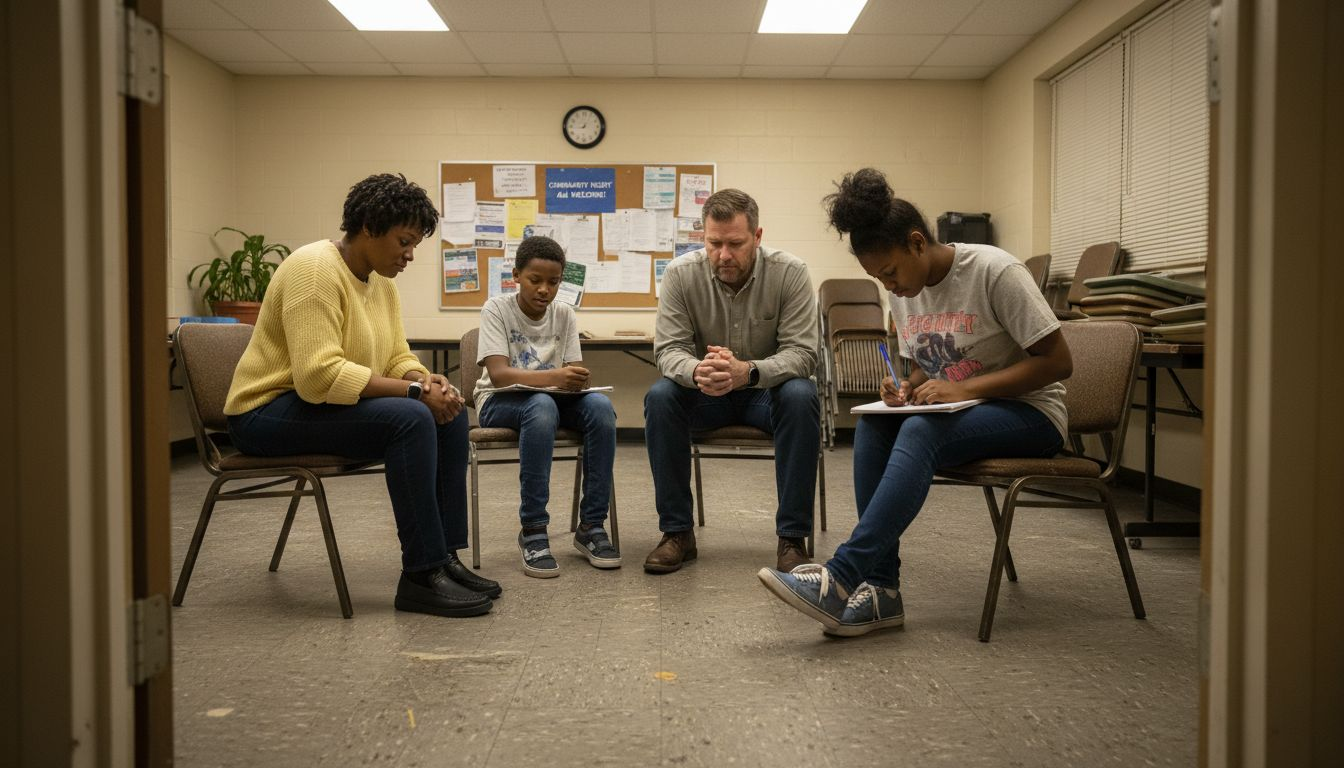
The Multisystems Model takes a broader approach, integrating multiple therapeutic frameworks to address individual, family, community, and social system levels simultaneously. This model recognizes that Black families don’t exist in isolation but navigate complex systems that often create additional stress.
| Program Feature | SAAF Approach | Multisystems Model |
|---|---|---|
| Primary Focus | Family skills and racial socialization | Multi-level system integration |
| Target Population | Adolescents and parents | Entire family across contexts |
| Key Strength | Evidence-based racism buffering | Comprehensive ecological view |
| Delivery Method | Structured group sessions | Flexible multi-modal therapy |
Racial socialization emerges as a critical protective factor in both models. When parents teach children about their cultural heritage, discuss experiences of discrimination, and model healthy responses to racism, they create a buffer against the psychological harm of structural oppression. This isn’t about dwelling on negativity but rather equipping young people with tools to maintain mental wellness despite external challenges.
Pro Tip: Family programs that honor your cultural strengths while addressing systemic barriers provide the most sustainable support. Look for interventions that treat your family’s resilience as an asset, not a problem to fix.
For practical guidance, explore resources on finding a family counselor and conflict resolution for adolescents to identify services matching your family’s needs.
Specialized strategies for anger management and conflict resolution in Black communities
Anger in Black communities often carries additional weight, as expressions of legitimate frustration can be pathologized or criminalized in ways they aren’t for other groups. Internal Family Systems therapy offers a powerful framework for Black men experiencing racialized traumatic grief. IFS validates protective parts that developed in response to ongoing threats, helping individuals understand their anger as a protective mechanism rather than a character flaw.
IFS therapy works by identifying different “parts” of your psyche, each serving a protective function. For Black men who’ve experienced racialized violence or loss, anger often protects against vulnerability. Rather than trying to eliminate this anger, IFS helps you understand its purpose and develop healthier ways to meet the underlying needs it’s trying to address. This validation creates space for healing without demanding you abandon responses that have kept you safe.
Africana peer mediation frameworks create another powerful avenue for conflict resolution. These approaches, rooted in African cultural values, emphasize creating “homeplace” environments where Black adolescent males feel emotionally safe enough to work through conflicts. Peer mediation using Africana-centered frameworks incorporates principles like communalism, collective responsibility, and restorative justice that resonate with cultural values.
Key Africana mediation principles include:
- Creating sacred space where participants feel culturally affirmed
- Emphasizing collective wellbeing over individual winning
- Incorporating storytelling and oral tradition in conflict processing
- Centering elder wisdom and community accountability
Effective anger management techniques rooted in cultural sensitivity:
- Recognize anger as information about boundary violations or unmet needs rather than a problem to suppress
- Practice cultural grounding through connection to heritage, music, or spiritual traditions that center you
- Develop a personal “anger ladder” identifying early warning signs before escalation occurs
- Build a support network of people who understand racialized stress and won’t dismiss your experiences
- Use physical movement like walking, dancing, or exercise to process intense emotions safely
- Create rituals for releasing anger that honor your cultural background, whether through prayer, journaling, or artistic expression
Community and informal networks play an essential role in reducing stigma around anger and mental health. When trusted barbershops, churches, or community centers become spaces where emotional struggles can be discussed openly, they create pathways to formal support that feel less threatening. These informal networks often understand cultural context in ways formal systems struggle to match.
“Culturally adapted conflict resolution doesn’t just resolve disputes, it heals communities by validating experiences and centering collective wellbeing over individual blame.”
Develop your skills further through conflict resolution strategies for success, teen-specific approaches, and foundational skills that build on cultural strengths.
How to find and use African American therapy resources for healing and growth
Locating culturally attuned therapists requires more than searching insurance directories. African Americans face specific barriers including historical mistrust of mental health systems, limited provider diversity, financial constraints, and cultural stigma around seeking formal help. Culturally tailored psychoeducation significantly reduces stigma among African American women, and informal networks often serve as preferred entry points due to mistrust of formal systems.
Steps to find culturally competent African American therapists:
- Use specialized directories like the African American therapists directory that specifically list providers with cultural competency training
- Ask potential therapists directly about their experience with racial trauma and their approach to cultural adaptation
- Seek referrals from trusted community members, pastors, or organizations serving Black communities
- Verify credentials but also trust your gut about whether a therapist understands your experiences
- Consider starting with group therapy or psychoeducation workshops to build comfort before individual sessions
- Explore teletherapy options that expand your pool of available culturally competent providers
Teletherapy has transformed access for many African Americans, particularly those in areas with limited Black mental health providers. Online platforms allow you to connect with therapists who share your cultural background regardless of geographic location, while also reducing some of the stigma associated with walking into a mental health clinic.
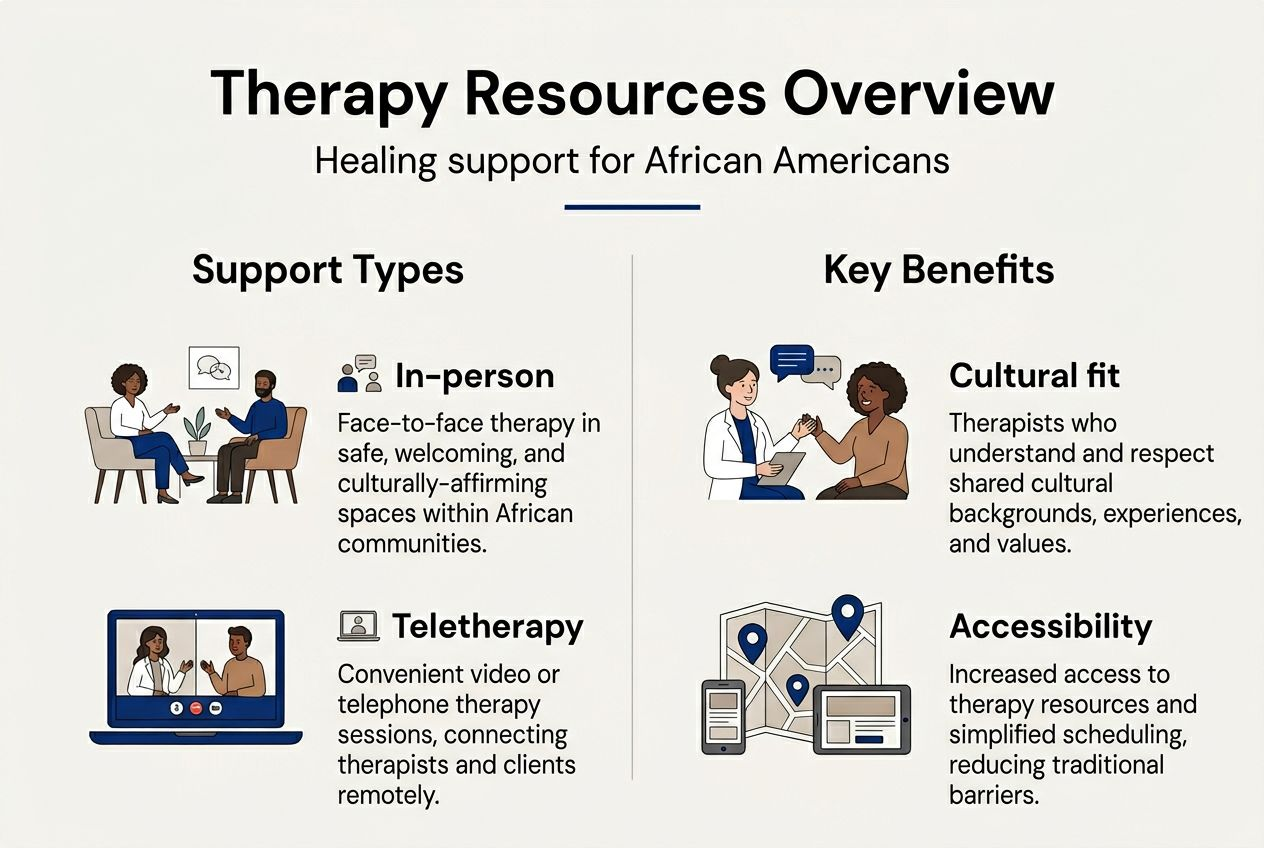
| Resource Type | Key Advantages | Best For |
|---|---|---|
| In-person therapy | Stronger therapeutic relationship, nonverbal communication | Those needing intensive support or preferring face-to-face connection |
| Teletherapy | Geographic flexibility, reduced stigma, scheduling convenience | Those with limited local options or transportation barriers |
| Community programs | Cultural familiarity, peer support, lower cost | Those new to mental health support or preferring group settings |
| Faith-based counseling | Spiritual integration, trusted setting, community connection | Those whose faith is central to identity and healing |
Combining informal networks with formal therapy creates the strongest support system. Start by discussing mental health in trusted spaces like family gatherings, church groups, or community organizations. These conversations normalize help-seeking and often lead to valuable referrals. Once you’ve identified formal resources, maintain those informal connections as they provide ongoing cultural affirmation that therapy alone may not offer.
Financial barriers remain significant, but options exist. Many therapists offer sliding scale fees, community mental health centers provide low-cost services, and some organizations specifically fund mental health support for African Americans. Don’t let cost prevent you from exploring options, as many providers are willing to work with you on payment arrangements.
Pro Tip: Engage trusted community figures like pastors, barbers, or family elders when seeking referrals. Their recommendations carry cultural credibility and can help you find providers who truly understand your community’s needs.
Explore teletherapy counseling options and family counseling services to identify accessible pathways matching your preferences and circumstances.
Explore tailored clinical services for African American therapy needs
Navigating mental health resources can feel overwhelming, but you don’t have to figure it out alone. Mastering Conflict offers specialized clinical services designed with cultural competency at the foundation, addressing the unique experiences African American individuals and families face.
Our anger management programs recognize that anger often stems from legitimate responses to systemic injustice and racialized stress. Rather than pathologizing your emotions, we help you understand them and develop healthy expression strategies. Family counseling services integrate racial socialization support and conflict resolution tools that honor your cultural values while strengthening family bonds across generations.
Convenient teletherapy counseling options remove geographic and scheduling barriers, connecting you with culturally competent therapists who understand the intersection of race and mental health. Whether you’re seeking individual support, family counseling, or anger management resources, our services provide the culturally affirming care your healing journey deserves.
Frequently asked questions
What types of therapy work best for African Americans dealing with anger issues?
Culturally adapted approaches like Internal Family Systems therapy and Africana-centered conflict resolution frameworks work particularly well because they validate anger as a response to racialized stress rather than treating it as pathology. These methods honor protective mechanisms while developing healthier expression strategies.
How can family counseling help address conflict in Black families?
Family counseling programs like SAAF strengthen communication, teach racial socialization skills, and help families develop collective coping strategies for discrimination. These interventions reduce adolescent behavioral problems while building family cohesion through culturally relevant approaches.
Why is cultural competency important in mental health treatment?
Cultural competency ensures therapists understand how racial trauma affects mental health, validate experiences of discrimination, and adapt treatment methods to fit your worldview. Generic therapy often misses these critical factors, leading to less effective outcomes and higher dropout rates.
How do I overcome stigma about seeking mental health support?
Start by engaging trusted informal networks like family, faith communities, or cultural organizations where mental health discussions feel safer. Culturally tailored psychoeducation also reduces stigma by presenting mental health through a lens that acknowledges historical contexts and validates community experiences.
What should I look for when choosing a therapist?
Ask specifically about training in culturally competent trauma-informed care, experience with racial trauma, and their approach to cultural adaptation. Use specialized directories, seek community referrals, and trust your instincts about whether a therapist truly understands your lived experiences. Take the anger management assessment to identify your specific needs before beginning your search.
Can teletherapy provide the same quality of care as in-person sessions?
Yes, teletherapy offers comparable outcomes while expanding access to culturally competent providers regardless of location. Many African Americans prefer teletherapy because it reduces stigma, offers scheduling flexibility, and connects them with Black therapists who might not be available locally.