
Best Black mental health resources for anger and counseling

Only 39% of Black Americans with a mental illness receive treatment, a gap driven by systemic barriers, cultural stigma, and a shortage of providers who truly understand the Black experience. When you add the weight of anger management challenges or family conflict, finding the right support can feel overwhelming. This guide cuts through the noise. You will learn exactly how to evaluate mental health resources, where to find culturally aligned therapists, which organizations offer the best toolkits, and how to compare in-person, virtual, and group options so you can make a confident, informed choice.
Table of Contents
- How to evaluate Black mental health resources
- Top directories for Black mental health professionals
- Key organizations and toolkits for Black mental health
- Comparing options: In-person, virtual, and group resources
- Our perspective: Why authentic connection matters most
- Connect with culturally aligned anger management and counseling support
- Frequently asked questions
Key Takeaways
| Point | Details |
|---|---|
| Cultural competence matters | Choose professionals and programs that truly understand Black experiences for better outcomes. |
| Find trusted directories | Use resources like BEAM and Therapy for Black Girls to connect with culturally aligned therapists. |
| Explore all resource types | Consider in-person, virtual, and group options based on your preferences and needs. |
| Organizations can help | Leverage toolkits and programs from NAMI and MHA to start your mental health journey. |
| Connection builds healing | An authentic relationship with your provider is crucial in the healing process. |
How to evaluate Black mental health resources
Knowing what makes a resource genuinely effective is your first line of defense against wasted time and disappointing experiences. Not every therapist who lists “multicultural” on their profile truly understands the lived reality of being Black in America. You deserve better than that.
Start with cultural competence. This means the provider actively understands how racism, generational trauma, and community dynamics shape mental health. Significant disparities in service access and outcomes for Black Americans are well documented, which is why representation and cultural fluency in your provider matter deeply. A counselor who shares or deeply respects your cultural background builds trust faster and gets to the real work sooner.
Here are the core criteria to evaluate any resource:
- Cultural representation: Does the provider identify as Black or have demonstrated experience working with Black clients?
- Stigma-free environment: Is the space explicitly welcoming, without judgment around seeking help?
- Specialization: Do they offer focused services like anger management, family counseling, or trauma-informed care?
- Accessibility: Are virtual and in-person options available? Are sliding scale fees or insurance accepted?
- Confidentiality: Are privacy practices clearly stated and enforced?
For families navigating Black male mental health barriers, finding a provider who understands the unique pressures Black men face around emotional expression is especially critical. Men are often socialized to suppress anger rather than process it, which makes culturally informed anger management support non-negotiable.
National organizations like NAMI offer community-based programs that can supplement individual therapy. But always vet any resource against the criteria above before committing.
Pro Tip: Before your first session, ask the provider directly: “How do you approach therapy with Black clients?” Their answer will tell you everything you need to know about whether they are the right fit.
Top directories for Black mental health professionals
Once you know what to look for, the next challenge is finding providers who meet that standard. Fortunately, several directories exist specifically to connect Black individuals with culturally aligned therapists.
Prioritizing directories like BEAM’s Black Virtual Wellness Directory and Therapy for Black Girls is one of the most effective ways to find culturally competent therapists who specialize in anger management and counseling. These platforms vet their providers and filter by specialty, making your search far more efficient.
Here are the top directories to explore:
- BEAM (Black Emotional and Mental Health Collective): Their Black Virtual Wellness Directory lists therapists, coaches, and healers who specifically serve Black communities.
- Therapy for Black Girls: Focuses on Black women and girls, with filters for specialty areas including anger, anxiety, and family conflict.
- Therapy for Black Men: A dedicated space connecting Black men with therapists who understand masculine cultural pressures and emotional health.
- NAMI provider directory: Includes community mental health centers with culturally informed programs in many cities.
If you are in the Carolinas or Florida, Black therapists in Charlotte and surrounding areas are accessible through Mastering Conflict’s specialized services. For those already managing anger at home, reviewing anger management tips can help bridge the gap while you search for a provider.
For structured support, anger management classes offer a proven format that combines psychoeducation with skill-building, particularly useful when individual therapy feels like too big a first step.
Pro Tip: When using any directory, filter by both specialty and identity. A therapist who lists “anger management” AND has experience with Black clients is far more effective than one who only checks one of those boxes.
Key organizations and toolkits for Black mental health
Directories connect you to individuals. Organizations give you the broader infrastructure of support, including free tools, community programs, and advocacy.
NAMI and MHA provide dedicated resources, toolkits, screenings, and programs like BIPOC Mental Health Month for Black communities, with a clear focus on stigma reduction and expanding access. These are not generic mental health resources repurposed for Black audiences. They are intentionally designed with cultural context in mind.
Here are the key organizations and what they offer:
- NAMI (National Alliance on Mental Illness): BIPOC Mental Health Month each July, culturally tailored toolkits, and a helpline that connects callers to local support.
- Mental Health America (MHA): Free online screening tools, fact sheets on mental health in Black communities, and advocacy resources.
- BEAM: Beyond directories, BEAM runs training programs, healing retreats, and community education focused on Black mental wellness.
- Boris Lawrence Henson Foundation: Founded by actress Taraji P. Henson, this organization funds mental health services in underserved Black communities and fights stigma through storytelling.
“Mental health is not a luxury. For Black families navigating systemic stress, generational trauma, and daily microaggressions, access to culturally grounded care is a matter of survival and strength.”
For families specifically, counseling for Black families addresses the relational dynamics that often go unspoken in traditional therapy settings. And if you are looking for a broader starting point, therapy resources for healing offers a curated collection of tools for growth and recovery.
These organizations also serve as powerful advocacy platforms. Engaging with them, even just following their content, keeps you informed about policy changes and new resources as they emerge.
Comparing options: In-person, virtual, and group resources
Not every format works for every person or situation. Understanding the strengths and limitations of each model helps you choose the right fit without second-guessing yourself.
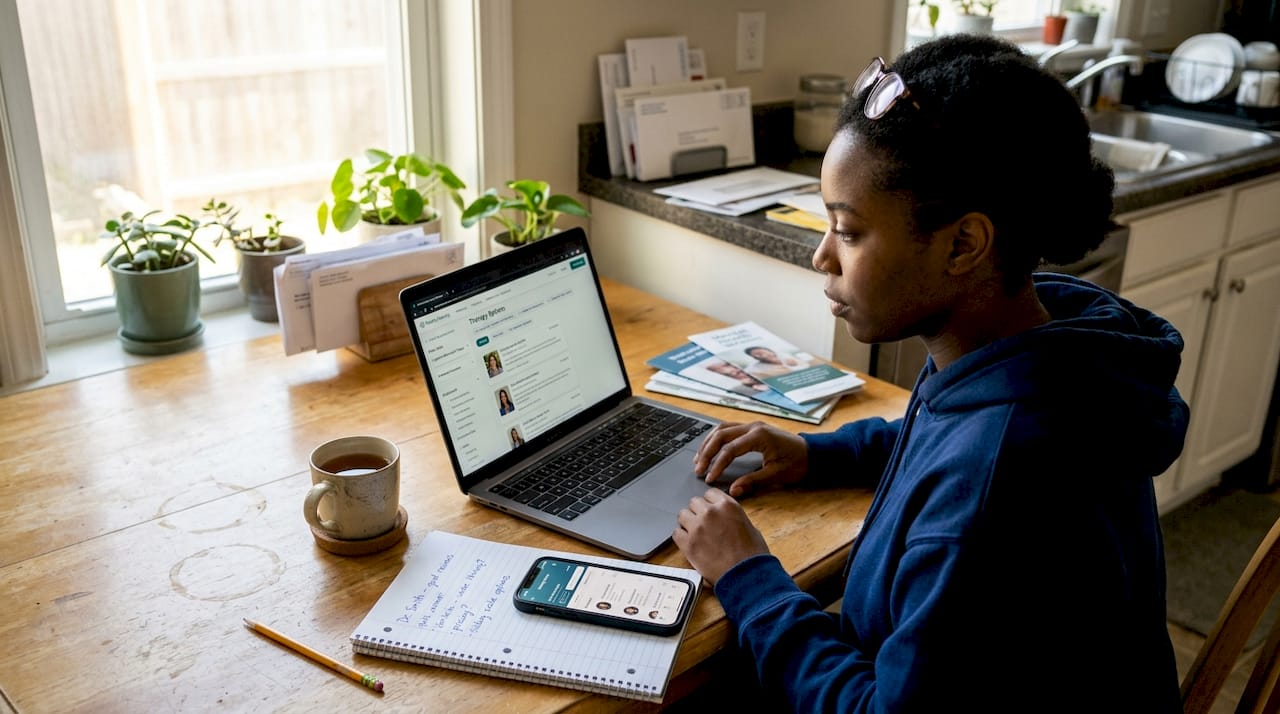
Culturally tailored resources positively impact engagement and outcomes for Black families, but only when the format matches the individual’s lifestyle, comfort level, and specific needs.
| Format | Best for | Strengths | Limitations |
|---|---|---|---|
| In-person therapy | Deep trauma work, family sessions | Stronger nonverbal connection, structured environment | Travel time, limited provider availability |
| Virtual therapy | Busy schedules, rural areas | Flexible, private, wider provider pool | Requires stable internet, less physical presence |
| Group support | Community building, shared experiences | Reduces isolation, peer accountability | Less individualized, may feel less private |
For children and teens, in-person sessions often work better because younger clients respond to physical presence and structured environments. Learn more about teens counseling options that are designed with developmental needs in mind.
For adults managing anger in high-stress work or home environments, virtual therapy offers the flexibility to fit sessions into a packed schedule without adding more logistical stress. The guide to online therapy breaks down exactly how virtual anger support works and what to expect.
Group resources are often underrated. Sitting with others who share your cultural background and are navigating similar struggles can be profoundly validating. It normalizes the experience of seeking help and builds community at the same time.
The bottom line: start with the format that removes the most barriers for you right now. You can always adjust as you grow.
Our perspective: Why authentic connection matters most
Credentials matter. Licensure, specialization, and clinical training are real indicators of competence. But in our experience working with Black individuals and families, the single most powerful factor in whether therapy actually works is authentic connection.
A therapist can have every credential on the wall and still leave a Black client feeling unseen. That disconnect does not just slow progress. It reinforces the belief that mental health care is not really for people like you. That belief is one of the most damaging barriers we face as a community.
What builds trust is a provider who does not flinch at the mention of racism, who understands why anger in Black men is often a response to systemic pressure rather than a character flaw, and who holds space for the full complexity of Black family life. Those qualities cannot be faked, and clients feel their absence immediately.
Our advice: do not settle. If a provider does not feel right after two or three sessions, keep looking. Explore healing and growth resources to stay supported while you search. Authentic connection is not a bonus. It is the foundation.
Connect with culturally aligned anger management and counseling support
You have done the research. Now it is time to take the next step toward support that actually fits your life and your story.
At Mastering Conflict, we offer clinical mental health services specifically designed for Black individuals, couples, and families, with specializations in anger management, family counseling, and individual therapy. Not sure where to start? Take the anger assessment to get a clearer picture of what you are working with. If getting to an office is not realistic right now, our teletherapy counseling options bring culturally aligned support directly to you, wherever you are. Reach out today and connect with a provider who truly understands your experience.
Frequently asked questions
Why is it important to find a culturally competent therapist?
Cultural alignment in mental health care improves engagement and outcomes, because culturally competent therapists understand the unique experiences of Black individuals and create safer, more effective support environments.
What resources are best for anger management within the Black community?
BEAM and Therapy for Black Girls directories connect Black communities to culturally relevant anger management support, making them strong starting points for finding the right therapist.
How can I access mental health toolkits tailored for Black families?
NAMI offers dedicated toolkits and screenings for Black families, and the Mental Health America website also provides free assessments and culturally informed guides you can access immediately.
Are virtual therapy options as effective as in-person sessions?
Virtual therapy options increase access to culturally competent care, and research shows they are equally effective when the provider has genuine expertise in Black mental health.