
Conflict Resolution and Peer Mediation: How It Works

Conflict resolution is the broad skill of working through disagreements. Peer mediation is one specific, structured way to do it: trained students help classmates talk through a dispute and reach their own agreement, with no adult handing down a verdict. This guide explains how the two relate, how a peer mediation session runs, which disputes suit it, which do not, and how a school sets up a program that holds up.
TL;DR
- Conflict resolution is the whole field (negotiation, mediation, arbitration, litigation). Mediation is one voluntary method inside it.
- In peer mediation, trained students act as neutral helpers. They do not take sides, and they do not decide who is right.
- A session follows a set path: a joint opening, private conversations, a return to the table, and often a written agreement.
- It fits minor disputes such as rumors, teasing and friendship rifts. It does not fit violence, weapons, drugs or abuse.
- A trained adult coordinator, careful student selection and ongoing supervision are what make a program work.
Table of Contents
- Conflict resolution vs. mediation: the difference
- What peer mediation is
- How a peer mediation session works
- Which disputes suit peer mediation
- Confidentiality has limits
- What schools and students can gain
- How to set up a peer mediation program
- Our perspective: what clinicians see behind school conflicts
- Skills peer mediators use that anyone can borrow
- When the conflict is bigger than a school dispute
- Peer mediation, professional mediation and counseling compared
- Mistakes that sink peer mediation programs
- FAQ
- Sources
Conflict resolution vs. mediation: the difference
People use these terms as if they were the same thing. They are not. Harvard’s Program on Negotiation describes conflict resolution as the informal or formal processes people use to address a disagreement and reach a workable, peaceful solution. Mediation is one of those processes, not a synonym for the whole field.
Think of conflict resolution as the umbrella. Under it sit several options, from the least formal to the most:
| Method | Who decides the outcome | Typical setting |
|---|---|---|
| Direct conversation or negotiation | The people in the dispute | Home, school, work |
| Mediation | The people in the dispute, with a neutral helper | Schools, community centers, courts, workplaces |
| Arbitration | A neutral third party | Contracts, labor disputes |
| Litigation | A judge or jury | Courts |
The U.S. Department of Energy defines mediation as facilitated negotiation in which an impartial third party improves communication, helps identify interests and explores solutions both sides can accept. The disputants keep responsibility for the settlement. That last point is the heart of it: a mediator guides the conversation but never imposes the answer.
Peer mediation takes that same model and puts it in the hands of students. The mediators are not teachers or principals. They are classmates trained for the job.
What peer mediation is
According to New South Wales education guidance, peer mediation is a structured, voluntary, impartial and confidential process in which trained students help their peers resolve disputes. The mediators do not take sides and do not tell anyone what to do. The secondary-school version of the same guidance adds that one or two trained students assist peers through a structured process, so students take an active part in solving their own disputes.
A student guide from Massachusetts frames the role simply: a mediator is neutral, does not decide who is right or wrong, and helps the participants make their own decision. The same guide names four core principles:
- Neutrality. The mediator has no stake in who wins.
- Self-determination. The students in conflict make the decisions.
- Confidentiality. What is said in the room stays there, within limits.
- Voluntary consent. Nobody is forced to take part.
These four ideas explain most of what makes peer mediation different from a trip to the principal’s office. A disciplinary process asks who broke the rule. Mediation asks what each person needs so the problem stops.
How a peer mediation session works
Programs vary a little from school to school, but the Massachusetts guide describes a typical shape that most programs follow.
The five stages
- Introduction and joint meeting. The mediators explain their role, the ground rules and the confidentiality promise. Each student gets a turn to tell their side without interruption.
- Mediators’ break. The mediators step aside briefly to plan the next move.
- Private meetings. Each student talks with the mediators alone. People often say things in private that they would not say in front of the other person, such as what actually hurt or what they would accept.
- Final joint session. The students come back together, look for common ground and settle the details.
- Agreement. If they reach one, the parties may record it in writing.
The process works because it slows things down. A hallway argument escalates in seconds. A mediation session gives each student uninterrupted time, a listener with no agenda and a clear path to a specific agreement.
What an agreement looks like
Good agreements are small and concrete. “We will stop being rude” is vague. “We will not talk about each other in the group chat, and if something bothers us we will say so directly” is something both students can actually check. The mediators’ job is to keep nudging toward that kind of specific, workable promise, and to leave the wording to the students themselves.
Which disputes suit peer mediation
Peer mediation is built for everyday friction. The New South Wales guide lists gossip and rumor spreading, name-calling, friendship problems, teasing, loss of property and exclusion as examples of suitable cases.
These disputes share a pattern. Both students have a real grievance, nobody is in physical danger, and a better conversation can plausibly fix the problem. They are also the kind of conflicts that quietly poison a school day when nobody handles them.
When it is the wrong tool
Serious cases need adults and, sometimes, authorities. The New South Wales secondary-school guide states that peer mediation is for minor disputes and is not suitable for sexual assault, physical violence, racism, weapons or drugs. Serious matters should be reported to a teacher.
This screening is the coordinator’s job, not a student’s. A teenager should never have to decide whether a situation is too dangerous for mediation. The adult who receives the referral makes that call before any session is scheduled.
Confidentiality has limits
Students are told that what they say in mediation is private. That promise has edges, and honest programs say so at the start. The Massachusetts guide excludes information about illegal or life-threatening conduct and suspected abuse or neglect from the confidentiality promise, and notes that mediators may discuss case information with the program coordinator for guidance and safety.
In practice, that means a mediator who hears something alarming does not carry it alone. They tell the coordinator. Training should rehearse this moment, because a 14-year-old who has just heard a classmate describe something frightening needs to know exactly what to do next.
The Recommended Standards for Peer Mediation add two more guardrails. A mediator must withdraw if unable to remain impartial, and participation and decisions must stay voluntary, free of pressure from administrators, mediators or anyone else. A program that quietly nudges students into mediation to close a discipline file has stopped being peer mediation.
What schools and students can gain
The New South Wales guide lists a set of possible benefits: greater student responsibility, stronger communication, listening and problem-solving skills, more leadership and self-esteem, less staff time spent on minor issues, potentially less bullying and a better school climate.
A fair reading of that list is that these are possible benefits, not guarantees. The same guidance says many schools find the approach effective, and it recommends ongoing evaluation using data from varied sources. So a school that adopts peer mediation should track what it can: number of referrals, case types, whether agreements held after a few weeks, and how student mediators and participants say they felt. Without that, a program is running on hope.
The students who serve as mediators often gain the most. Listening without judging, asking neutral questions and staying calm while two people argue are skills that carry into families, jobs and relationships long after graduation.
How to set up a peer mediation program
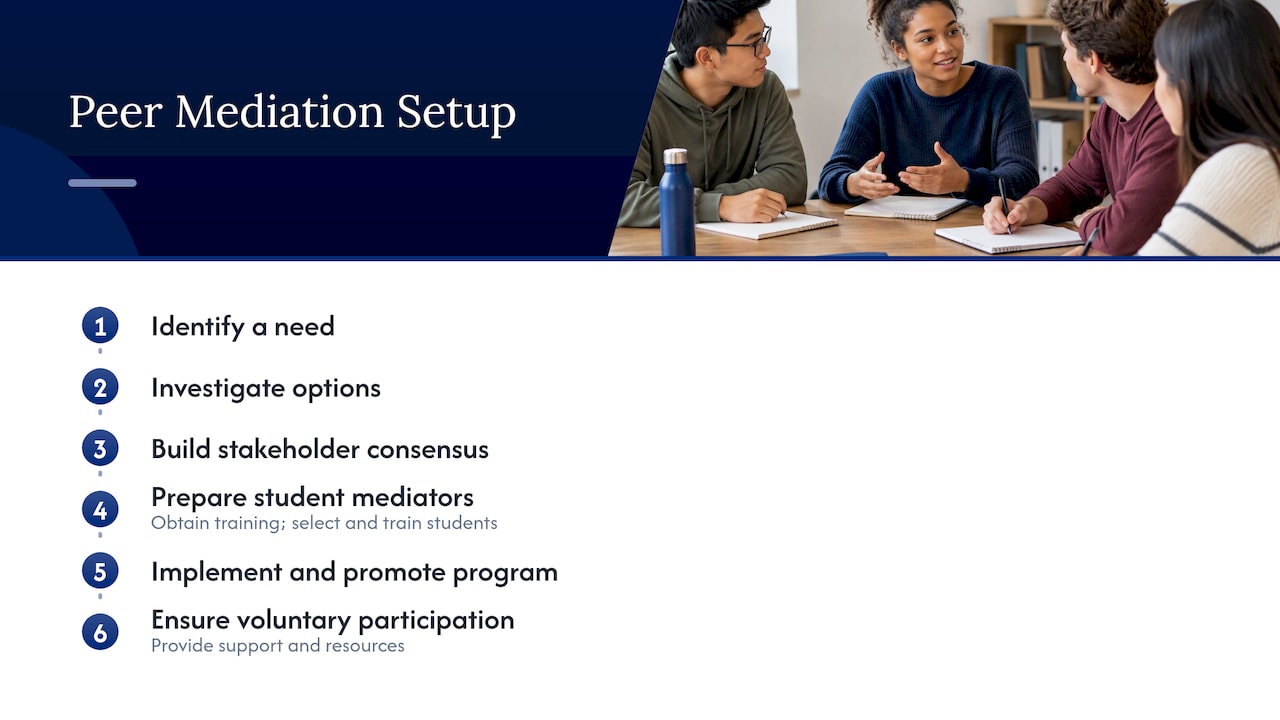
Starting a program is mostly an organizing job. The New South Wales guidance outlines the path: identify a need, investigate options, build consensus among stakeholders, obtain training, select and train student mediators, implement and promote the program, and ensure participation is voluntary and properly supported and resourced.
Start with a coordinator
Every source agrees that the program needs an adult who owns it. School staff trained in mediation coordinate the program and provide continuing supervision to the student mediators. The Recommended Standards spell out the coordinator’s duties: receiving referrals, assessing whether a case is suitable, scheduling sessions, assigning mediators, keeping records, following up, and supervising and debriefing student mediators.
That is a real workload. A school that treats it as an add-on for a teacher with a full schedule will watch the program fade within a year or two.
Choose mediators who represent the whole school
A mediator pool made only of top students and student council members signals that mediation is for a certain kind of kid. A mixed group, including students who are respected by their peers and who know what conflict feels like from the inside, earns more trust. Look for students who listen well, keep confidences and can stay neutral, and make sure the group reflects the grade levels, backgrounds and friend groups in your building.
Train, then keep training
Initial training covers the stages above, neutral language, active listening and the limits of confidentiality. Role-play is the core of it. Students practice with realistic cases, including ones where they must stop and hand off to the coordinator. After launch, regular debriefs let mediators talk through hard cases and refine their skills.
Promote it honestly
Students will use the service only if they know it exists and trust it. Explain it in assemblies and classrooms, tell students it is voluntary and give them an easy way to request it. Make clear that asking for mediation is not tattling and will not trigger punishment.
Our perspective: what clinicians see behind school conflicts
We work with conflict every day, in couples, families, teens and adults, and a few things hold across all of them. Most conflicts that blow up were small once. A rumor, a missed text or a feeling of being left out grows when nobody gives it a structured place to be heard. Peer mediation does exactly that at the age when it matters most.
We also see what happens when young people never learn the skill. They reach adulthood treating disagreement as danger: they either explode or shut down. The mediator’s habits of listening first, naming what the other person needs and aiming for a specific agreement are the same habits we teach in clinical work. The approaches are not new to us, and our guide on approaches of conflict resolution covers how they differ.
We would also add a clinical caution. Peer mediation is not therapy and should not be asked to be. If a student in a session seems to be dealing with something deeper, such as persistent anger, anxiety, trauma or trouble at home, the right move is a handoff to a trained adult, and often to a counselor. Anger that keeps resurfacing is a sign that a young person needs more support than a mediation table can give.
Finally, adults model what students copy. A school that wants kids to settle disputes calmly needs teachers and parents who do the same. Our guides on conflict resolution for families and conflict resolution for kids are written for exactly that.
— Carlos
Skills peer mediators use that anyone can borrow
You do not have to be a trained student mediator to use the core moves. They work at the kitchen table as well as the cafeteria.
- Let each person finish. Interrupting is the fastest way to lose the other side.
- Reflect back. “So you felt left out when they sat somewhere else.” Restating what you heard shows the person you understood, and corrects you if you did not.
- Separate positions from needs. “I want you to apologize” is a position. “I want to know you are not talking about me” is a need, and there are more ways to meet a need.
- Ask what would help. A question like “What would make this better?” puts the solution in the speakers’ hands.
- Get specific. Turn a general wish into an action both people can do and check.
If you want a step-by-step script for adult conflicts, our six-step conflict resolution guide walks through the exact wording, and our conflict resolution examples show it in practice for individuals, couples and families.
When the conflict is bigger than a school dispute
Sometimes the problem is not one argument but a pattern: a teen whose temper keeps landing them in trouble, a couple that cannot discuss money without a blowup, a family where every dinner turns into a fight. Those are not mediation cases. They call for counseling or structured skills training.
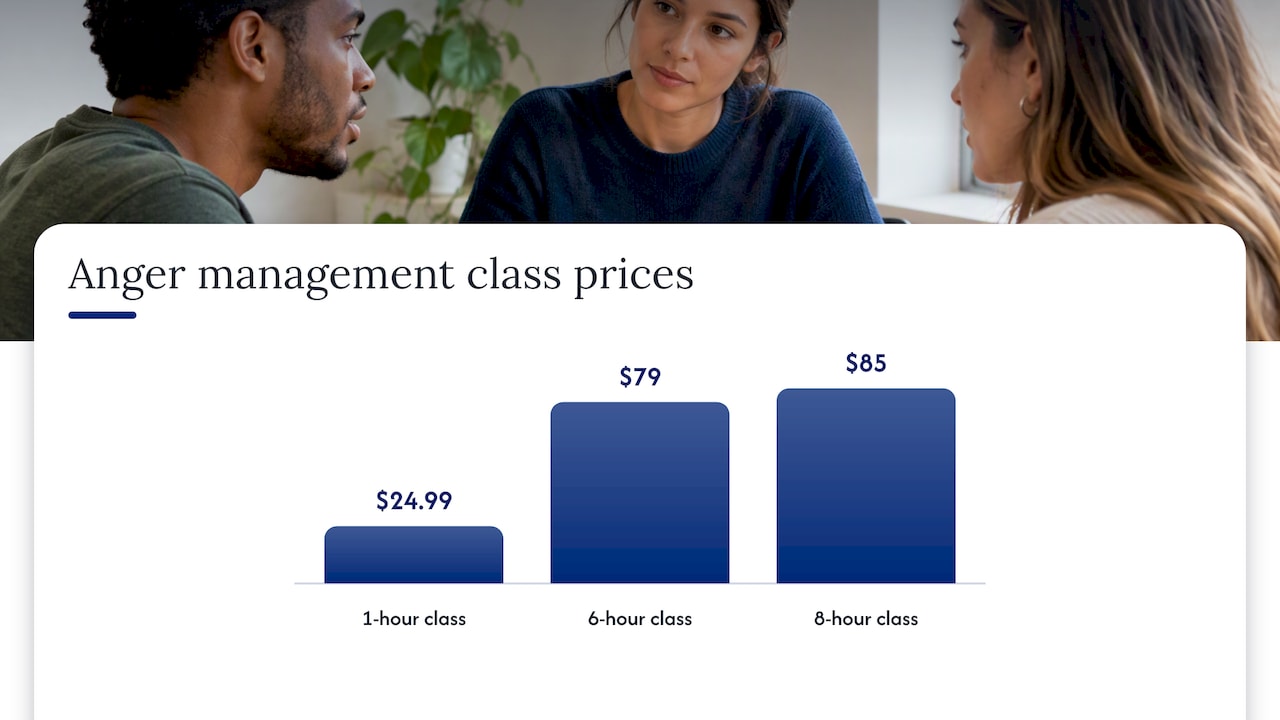
Mastering Conflict, led by Dr. Carlos Todd, a licensed clinical mental health counselor and psychologist, offers counseling and therapy services for individuals, couples, families and teens, in person for clients in the Carolinas and Florida and online for clients further afield. For families, our family counseling page explains how we work. For adults who want to build self-control on their own schedule, our anger management classes are available online, starting at $24.99 for the 1 Hour Anger Management Class, $79 for the 6 Hour class and $85 for the 8 Hour class.
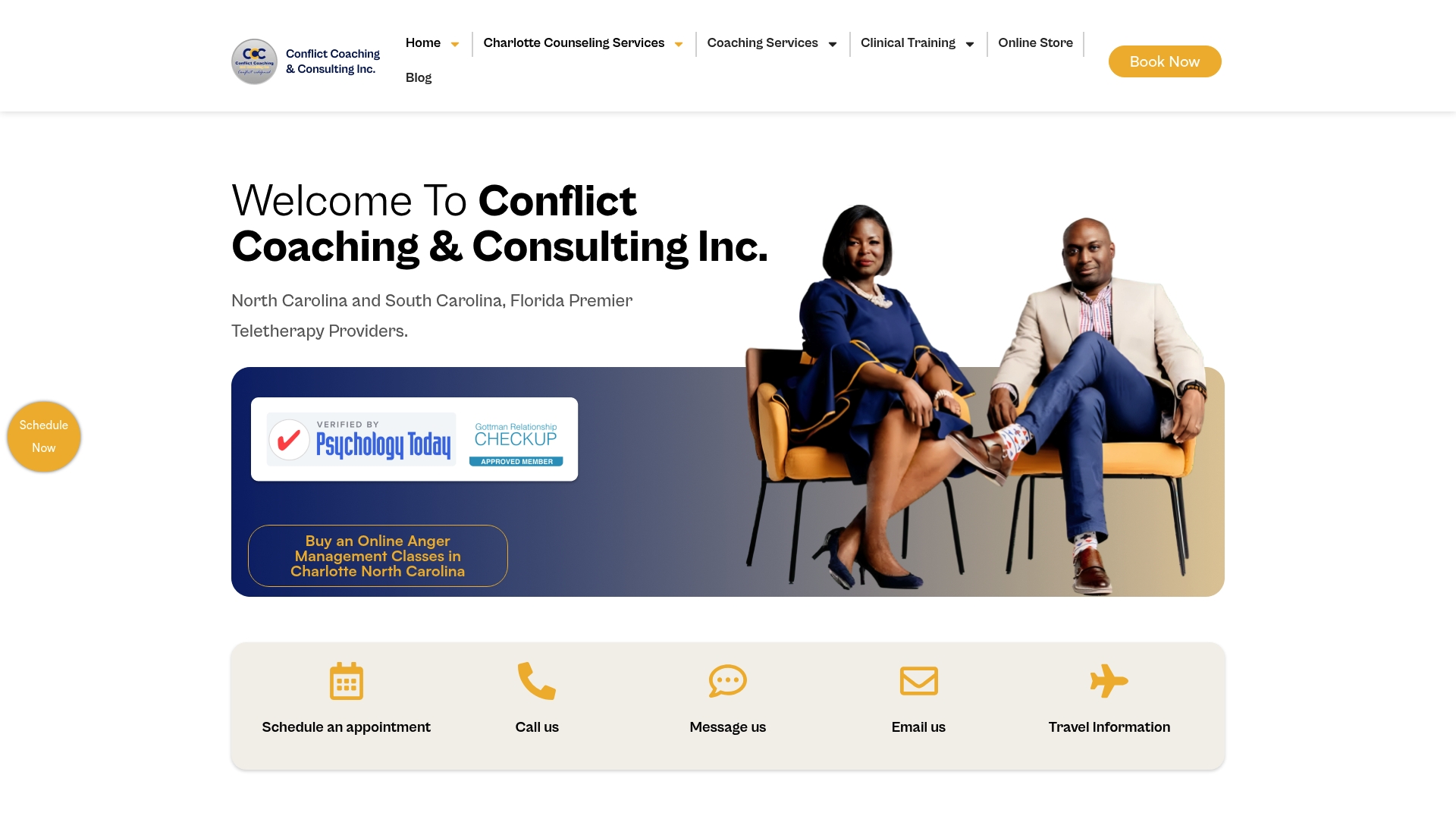
If you are not sure which format fits, start from the Mastering Conflict homepage and choose the service that matches your situation. Courts, employers and schools sometimes ask for a particular class length, so confirm requirements with the party asking before you buy.
Peer mediation, professional mediation and counseling compared
| Peer mediation | Professional mediation | Counseling or therapy | |
|---|---|---|---|
| Who helps | Trained students | A trained adult mediator | A licensed clinician |
| Best for | Minor student disputes | Disputes with real stakes, such as workplace, family or legal matters | Patterns, emotional distress, anger, relationship damage |
| Goal | A specific agreement | A settlement | Lasting change in thinking, feeling and behavior |
| Who decides | The students in conflict | The parties | The client, with clinical guidance |
The lines blur in real life, which is why a coordinator or counselor who can route a case to the right place matters so much. For workplace versions of the same ideas, see our scripts for managers resolving workplace conflict.
Mistakes that sink peer mediation programs
- No real coordinator. The program depends on one overloaded teacher who eventually stops.
- Forcing participation. The Recommended Standards require that participation stay voluntary, and a program that pressures students loses their trust.
- Accepting unsuitable cases. Anything involving violence, weapons, drugs, sexual assault or abuse belongs with adults, not at a mediation table.
- Training once and walking away. Without supervision and debriefing, mediators drift or burn out.
- Never measuring results. Without records, a school cannot show whether the program helps, and funding and attention drift elsewhere.
- Making it a punishment. If students think mediation means they are in trouble, they will avoid it.
FAQ
What is the difference between conflict resolution and mediation?
Conflict resolution is the broad category of informal and formal ways to address disagreements, including negotiation, mediation, arbitration and litigation. Mediation is one voluntary process inside that category, in which a neutral facilitator supports communication but does not impose a decision. Every mediation is conflict resolution, but not all conflict resolution is mediation.
Is peer mediation mandatory for students?
No. Recognized standards say participation must be voluntary and free of pressure from administrators, mediators or others. A student can decline, and a good program makes that choice easy and free of consequence.
Is what I say in a peer mediation session really private?
Mostly, yes, with firm limits. Official guidance excludes illegal or life-threatening conduct and suspected abuse or neglect from the promise. Mediators may also share case information with the program coordinator for guidance and safety, so students should hear those limits before the session begins.
What kinds of problems should not go to peer mediation?
New South Wales guidance names sexual assault, physical violence, racism, weapons and drugs as unsuitable. Those cases should be reported to a teacher or other responsible adult. If a conflict is part of a bigger pattern, such as ongoing anger or family strain, a school counselor or licensed therapist is the better route.
Who runs a peer mediation program?
Trained school staff coordinate it. The coordinator receives referrals, checks that each case is suitable, schedules sessions, assigns mediators, keeps records and supervises and debriefs the student mediators. Students do the mediating, but an adult stays accountable for safety and quality.
Sources
- What is Conflict Resolution, and How Does It Work? Harvard Program on Negotiation
- Alternative Dispute Resolution Terms, U.S. Department of Energy
- Peer mediation for primary schools, NSW Department of Education
- Peer mediation for secondary schools, NSW Department of Education
- Peer Mediation Guide for Students, Massachusetts SCORE
- Recommended Standards for Peer Mediation