
Grief and Couples Therapy – Navigating Loss Together

Every couple in Georgia, Florida, or Alabama knows that losing someone or something deeply important shakes your world in ways words can barely describe. When grief shows up, it becomes more than private sorrow—it ripples through your connection, changing how you talk, comfort, and even understand each other. Defining grief as the emotional reaction to loss reveals why couples therapy matters: it offers real strategies for emotional healing and renewing your partnership during the hardest seasons.
Table of Contents
- Defining Grief And Couples Therapy
- What Couples Therapy Brings To Grief
- Types Of Losses Couples Face Together
- How Grief Impacts Relationship Dynamics
- Therapy Interventions For Grieving Couples
- Common Pitfalls And What To Avoid
Key Takeaways
| Point | Details |
|---|---|
| Grief is Unique | Grief varies significantly between individuals, affecting emotions, thoughts, and relational dynamics. Recognizing this difference is crucial for couples navigating loss together. |
| Couples Therapy Supports Connection | Couples therapy during grief focuses on maintaining emotional connection while processing loss, helping partners understand and support each other’s grieving styles. |
| Identify All Types of Loss | Loss encompasses more than death; it includes infertility, chronic illness, career setbacks, and symbolic losses that reshape identity and partnership. Naming all losses fosters understanding and healing. |
| Address Communication and Conflict | Effective therapy emphasizes confronting difficult conversations instead of avoiding them, ensuring both partners express their grief without blame, which is essential for healing. |
Defining grief and couples therapy
Grief isn’t something you “get over”—it’s a fundamental human response to loss. Grief is the emotional reaction that surfaces when you experience the death of a loved one, a significant life change, or any profound loss. It’s intensely personal and varies dramatically from person to person.
The loss itself triggers a cascade of feelings: sadness, anger, confusion, numbness, guilt, even relief. Some days feel manageable; others feel unbearable. For couples in the southeastern U.S., this emotional turbulence often affects both partners differently, creating tension when you need each other most.
Mourning and bereavement are related but distinct concepts. Mourning refers to the outward expressions—how you publicly acknowledge loss through rituals, conversations, and behaviors. Bereavement describes the entire period during which you’re grieving and adapting to life without that person. Understanding this distinction matters because your partner might mourn differently than you do, which can feel like disconnection when you’re both hurting.
Grief operates across multiple dimensions beyond just emotion. The emotional, cognitive, social, and spiritual aspects of grief all need attention in healing. You might feel emotionally devastated while simultaneously struggling with practical thoughts about bills, funeral arrangements, or your future. Socially, you may withdraw from friends or feel isolated. Spiritually, you might question your faith or find unexpected comfort in belief systems you hadn’t considered before.
Here’s a concise summary showing how different dimensions of grief affect couples:
| Grief Dimension | Impact on Individual | Impact on Relationship |
|---|---|---|
| Emotional | Sadness, anger, guilt | Increased misunderstandings |
| Cognitive | Confusion, distraction | Overlooked needs, less focus |
| Social | Social withdrawal | Reduced support as a couple |
| Spiritual | Faith questioning | Value clashes, new beliefs |
What Couples Therapy Brings to Grief
Couples therapy in the context of grief is not about fixing your relationship as though something broke. Rather, it’s therapeutic support for partners navigating loss together. A couples therapist helps you both process grief individually while maintaining your connection as a team.
Here’s what effective couples therapy addresses during grief:
- Managing different grief timelines (one partner may feel ready to resume routines while the other isn’t)
- Preventing unintended emotional distance that happens when each partner isolates with their own pain
- Rebuilding intimacy and physical connection that grief often disrupts
- Communicating about loss without hurting each other further
- Supporting both individual healing and relationship functioning
Consider how the couples therapy process works specifically when grief is involved. Your therapist creates a safe space where both partners feel heard, validating that grief looks different for each of you without judgment.
Many couples discover that grief either pulls them closer or drives them apart. Without skilled support, the isolation and miscommunication often intensify. You might interpret your partner’s silence as not caring, when they’re actually drowning in their own pain. They might feel abandoned if you cry differently than they do.
Grief doesn’t end your relationship—but unprocessed grief can damage the connection if you’re not intentional about supporting each other through it.
Pro tip: Start therapy before resentment builds. The best time to seek couples support during grief isn’t when things feel “broken,” but when you first notice emotional distance or conflicting grief styles between you.
Types of losses couples face together
When you think of loss, death usually comes to mind first. But couples in the southeastern U.S. experience far more than that. Grief extends far beyond death to include countless other losses that reshape your identity and relationship simultaneously.
Loss takes many forms, and understanding them helps you recognize why you’re both hurting. The pain feels real and valid regardless of whether the loss involves a person or a life circumstance. Your partner might struggle differently depending on which loss feels most personal to them.
Common Types of Loss Couples Face
Deaths remain the most visible losses. Losing a parent, child, sibling, or close friend creates immediate, undeniable grief. But death isn’t the only devastation couples navigate together.
Couples experience multiple other significant losses:
- Infertility or miscarriage (loss of biological parenthood or anticipated children)
- Career setbacks (job loss, forced retirement, or professional failures)
- Chronic illness or disability (loss of health and former capabilities)
- Relationship role changes (shifting from equal partners to caregiver and patient)
- Loss of independence (facing dependency on your spouse for basic care)
- Relocation (leaving home, community, or familiar support systems)
- Financial loss (bankruptcy, economic hardship, or security disruption)
Understanding Symbolic Losses
Symbolic losses reshape identity without involving death. When your spouse receives a chronic illness diagnosis, you don’t just lose their health—you lose the future you envisioned together. You lose spontaneity, sexual intimacy, and the partnership dynamic you’d built. The person is still there, yet the relationship fundamentally changes.
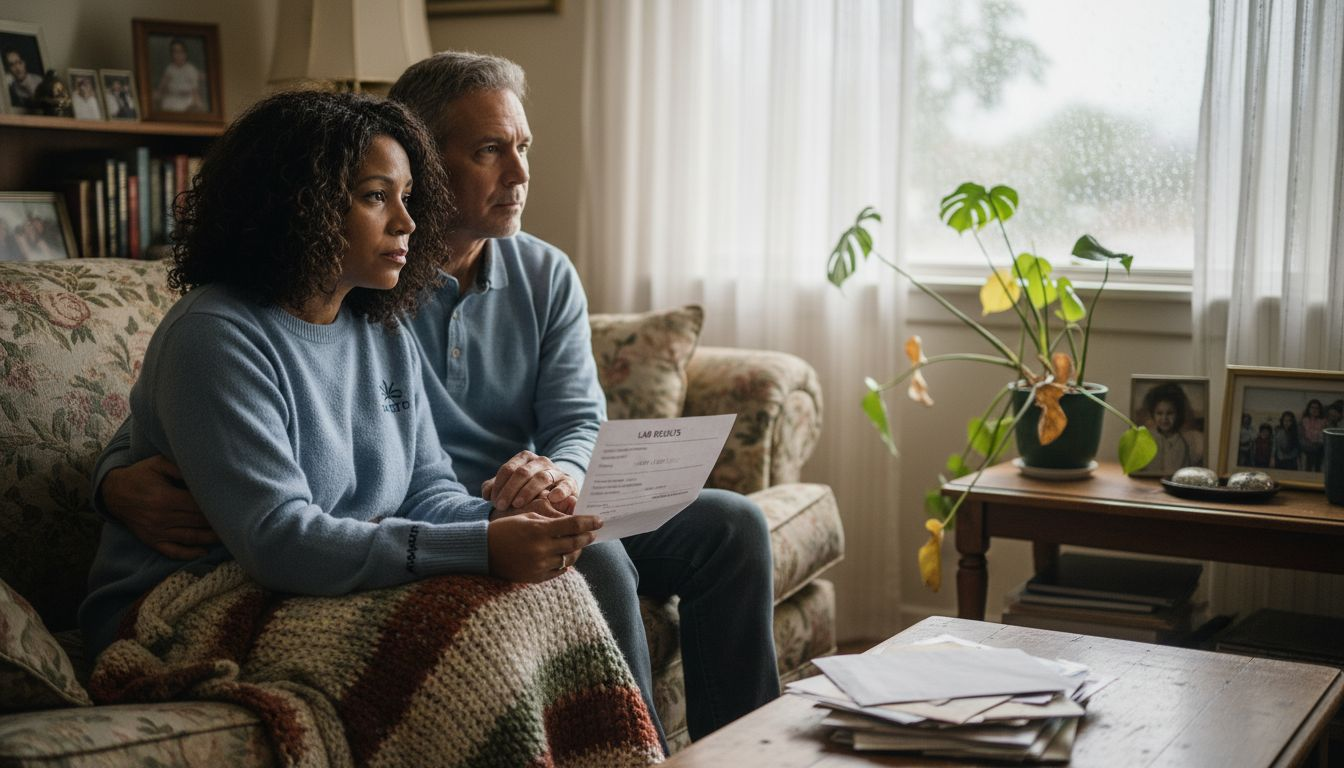
Chronic illness and care dependency create complex grief because the loss unfolds gradually. You mourn what was while adjusting to what is. One partner grieves lost independence; the other grieves lost roles and identity as a healthy spouse.
Infertility represents another profound symbolic loss. You grieve the biological child you’ll never have, the parenting experience you imagined, and the genetic legacy you can’t pass forward. Both partners experience this differently depending on their relationship to biological parenthood.
Symbolic losses hurt just as deeply as death because they disrupt the identity and future you’d planned together.
Career setbacks can feel isolating when a spouse’s professional identity collapses. Retirement sounds positive until you both realize it means losing structure, purpose, and financial security you’d relied on. These losses reshape who you are as individuals and as partners.
Pro tip: Name each loss you’re experiencing together. Sit down and list what you’ve both lost—not just the obvious things but the roles, routines, and futures you mourn. Naming them makes grief visible and prevents silent resentment from building.
How grief impacts relationship dynamics
Grief doesn’t just affect you individually—it rewires your relationship. When loss hits, the foundation you’ve built together gets tested in ways you never anticipated. The intimacy, trust, and emotional safety you relied on suddenly feels fragile.
Your nervous system enters survival mode. You become hypervigilant, irritable, or emotionally distant. Your partner does the same thing. Neither of you planned this, but suddenly you’re operating from a place of self-protection rather than connection.
The Attachment Shift
Grief fundamentally changes how you seek comfort from your partner. Shifts in emotional regulation, closeness, and security happen because grief activates your deepest attachment needs. You need your partner more than ever, but grief’s intensity makes you less able to ask for what you need.
Instead of moving closer, couples often move apart:
- One partner withdraws to process privately; the other interprets this as abandonment
- You reach for comfort differently (one needs to talk; one needs silence)
- Physical intimacy drops because touch feels triggering or wrong
- Emotional availability declines when both partners are depleted
- Arguments erupt over small things because underlying pain is massive
- Resentment builds when grief styles clash without understanding
Common Relationship Patterns During Grief
Grief magnifies existing vulnerabilities. If you had small conflicts before loss, grief amplifies them into battlegrounds. Old wounds resurface. Trust issues that were manageable become destabilizing.
You might notice your partner grieving “wrong”—too fast, too slow, or differently than you expected. This triggers judgment, anger, or worry that they didn’t love the person who died. But grief isn’t linear or standardized. Their process is valid even if it feels alien to you.
Some couples experience a temporary “hardship honeymoon” where loss brings them together. This usually doesn’t last. When the initial shock wears off and reality sets in, the real strain appears.
Grief doesn’t destroy relationships—unprocessed grief while isolating from your partner does.
Many couples don’t realize that managing change in relationships requires active intentionality, not just good intentions. Grief is the ultimate change. Without conscious effort to stay connected, drift becomes the default.
Pro tip: Schedule regular check-ins with your partner specifically about grief, separate from regular conversations. Ask what they need this week, what triggers them, and how you can support them—then actually listen without trying to fix or minimize their experience.
Therapy interventions for grieving couples
Effective couples therapy for grief doesn’t look like standard relationship counseling. Your therapist focuses on helping you both process loss while strengthening your connection. The goal isn’t to “fix” your relationship but to help you grieve as a unit.
Therapists at Mastering Conflict use evidence-based approaches designed specifically for couples navigating loss together. These interventions address the unique challenges that emerge when two grieving people try to support each other.
Core Therapeutic Approaches
Cognitive-behavioral therapy, exposure therapy, mindfulness, and narrative reconstruction form the foundation of grief work. When applied to couples, these methods become collaborative healing tools rather than individual processes.
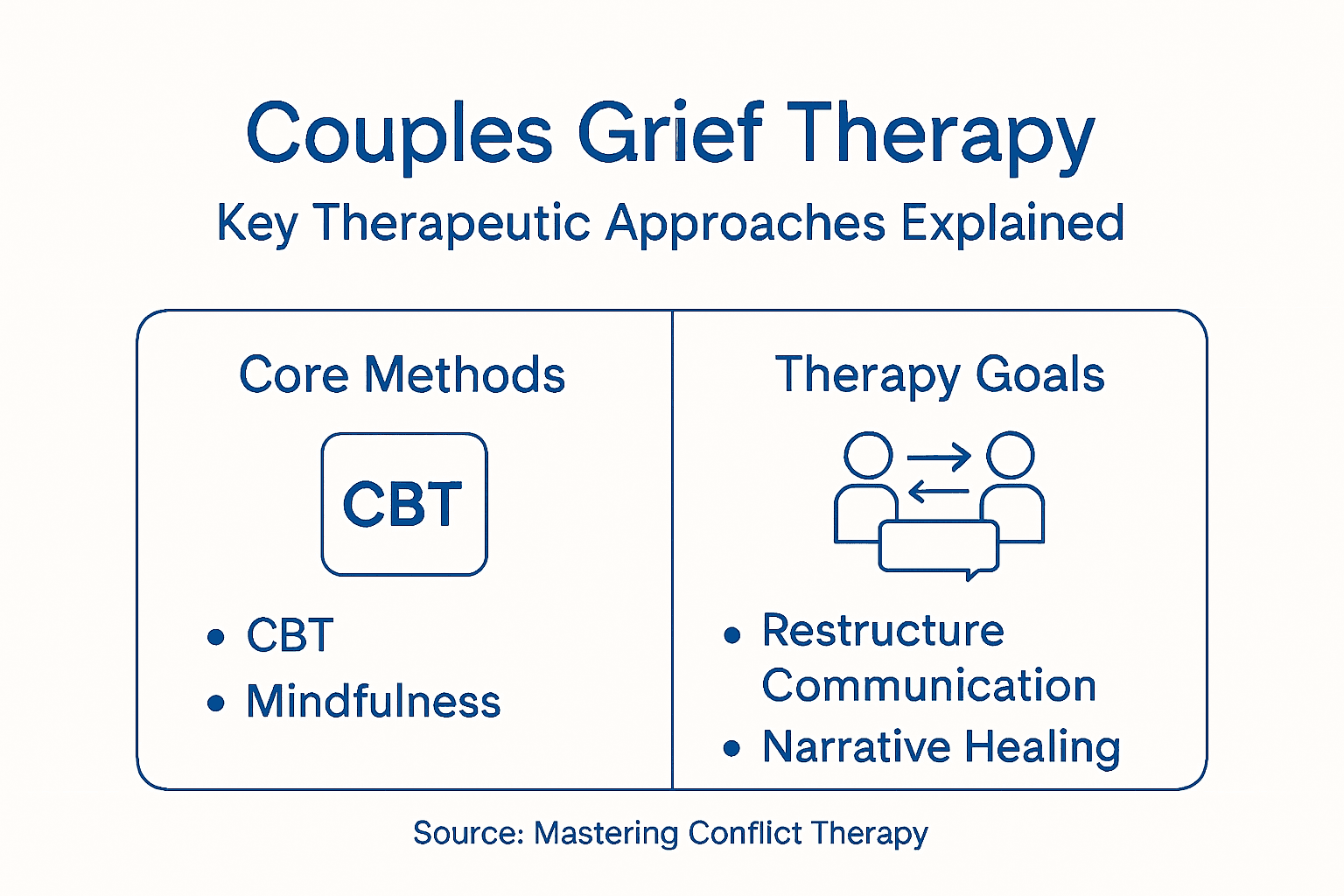
Below is a comparison of therapy approaches commonly used with grieving couples:
| Approach | Main Focus | Benefit for Couples |
|---|---|---|
| Cognitive-Behavioral | Challenging negative thoughts | Clarifies grief-related assumptions |
| Mindfulness | Present-moment awareness | Reduces emotional reactivity |
| Narrative Reconstruction | Sharing personal stories | Builds shared meaning together |
| Exposure Therapy | Facing painful memories | Lessens avoidance, fosters healing |
Key interventions include:
- Communication restructuring (learning to talk about grief without triggering defensiveness)
- Emotional regulation coaching (managing grief surges that overwhelm you both)
- Joint meaning-making (creating shared understanding of what the loss means)
- Intimacy reconnection (rebuilding physical and emotional closeness)
- Ritual creation (developing new ways to honor the person who died)
- Conflict de-escalation (addressing grief-related arguments before they damage trust)
How These Interventions Work in Practice
Communication restructuring teaches you to express grief without blame. Instead of “You don’t care,” you learn to say “I feel alone when we don’t talk about this.” Your therapist coaches both of you on listening without defending.
Emotional regulation helps when one partner’s grief intensity triggers the other’s panic or shutdown. You learn to sit with difficult feelings without needing to fix them immediately. This removes the pressure to grieve “correctly.”
Narrative work involves telling the story of who was lost and what they meant together. This creates shared memory and validates that both your experiences of the person were real and valuable.
Therapy helps couples move from isolated grief to grief that strengthens the relationship you’re building forward together.
Many couples find that understanding individual versus couples counseling options helps them choose the right approach. Sometimes individual therapy runs parallel to couples work, allowing you to process deeply while also reconnecting as partners.
Pro tip: Bring specific examples to therapy sessions. Instead of vague “We don’t communicate,” say “Last Tuesday when you didn’t want to talk about Mom’s birthday, I felt shut out.” Concrete examples help your therapist teach you practical new skills.
Common pitfalls and what to avoid
Many couples enter therapy with good intentions but fall into patterns that actually deepen their pain. Knowing what doesn’t work helps you stay on track and get real results from the process.
Grief therapy fails when couples avoid the hard work or when therapists don’t push hard enough. The balance between compassion and accountability matters tremendously in this sensitive space.
Mistakes Couples Make
One of the biggest mistakes is pretending grief doesn’t exist in your relationship. You go to therapy, talk around the loss, and focus on logistics instead of the emotional devastation. This creates the illusion of progress while your relationship keeps deteriorating underneath.
Another common trap is expecting your partner to grieve identically to you. When they cry differently, talk about it differently, or move through it faster, you interpret this as not caring. Therapy addresses this, but only if you’re willing to examine your assumptions.
Couples also struggle with avoiding difficult conversations. You know you need to talk about how the loss changed you, but it feels too risky. Silence feels safer, but it breeds resentment. Your therapist pushes you toward these conversations because avoidance never heals anything.
Therapeutic Challenges to Watch For
Avoidance of direct exposure to grief, failure to address couple dynamics, and overlooking individual differences represent the most common therapy failures. A weak therapist lets couples stay comfortable. A good therapist gently but firmly invites you into the discomfort where healing happens.
Therapists must balance sensitivity with rigor. This means:
- Pushing you to talk about the loss, not just around it
- Addressing couple conflict that grief triggered or exposed
- Recognizing that your grief timeline differs from your partner’s
- Refusing to let you isolate individually while claiming to do couples work
- Holding you accountable for how you treat each other during grief
Expecting therapy to be comfortable is another pitfall. Real grief work stings. You’ll cry in sessions. You’ll get frustrated with your partner. You’ll realize things about yourself you’d rather not face. This is progress, not failure.
Therapy that feels easy isn’t working hard enough. Grief requires you to lean into pain, not around it.
Some couples also underestimate how long healing takes. Grief doesn’t resolve in eight sessions. Real couples therapy for loss typically requires months of consistent work. Expecting quick fixes sets you up for disappointment.
Pro tip: If your therapist never challenges you or your partner, find a new one. The best grief therapists create safety while also pushing you toward the vulnerable conversations that actually change things.
Strengthen Your Relationship While Navigating Grief Together
Grief can shift your relationship in ways you never expected. If you and your partner are feeling emotional distance, conflicting grief styles, or challenges rebuilding intimacy, you are not alone. Understanding grief as a shared journey and seeking specialized support through couples therapy can prevent isolation and help you both heal.

At Mastering Conflict, we provide compassionate couples therapy tailored to navigating loss and its complex impact on your connection. Our skilled clinicians use evidence-based approaches to support your unique grief timeline, improve communication, and rebuild trust. Start addressing the silent strains of grief before resentment grows. Visit Mastering Conflict today to learn how therapeutic interventions can transform your shared pain into renewed closeness. Take the next step by booking a session and begin healing together.
Frequently Asked Questions
What is the difference between grief, mourning, and bereavement?
Grief is the emotional response to loss, while mourning refers to the outward expressions of that loss, such as rituals and behaviors. Bereavement encompasses the entire period of grieving and adapting to life without the loved one.
How does couples therapy help partners cope with grief?
Couples therapy offers therapeutic support for both partners, helping them process grief individually while maintaining their connection. It addresses differing grief timelines, prevents emotional distance, and fosters communication about loss without further hurting one another.
What are some common types of loss that couples face together?
In addition to death, couples may experience losses such as infertility, career setbacks, chronic illness, changes in relationship roles, financial loss, and relocation. Understanding these losses is important for recognizing the pain each partner feels.
What are effective therapy interventions for grieving couples?
Core therapeutic approaches include cognitive-behavioral therapy, mindfulness, exposure therapy, and narrative reconstruction. These interventions focus on improving communication, emotional regulation, and intimacy while addressing the unique challenges that arise when both partners are grieving.
Recommended
- Coping with Grief: Effective Steps for Healing After Loss – Mastering Conflict
- Individual vs Couples Counseling: Choosing What Heals You – Mastering Conflict
- Couples Therapy for Infidelity: Rebuilding Trust and Connection – Mastering Conflict
- Couples Therapy Basics: Strengthening Relationships Together – Mastering Conflict