
Strengthening Family Bonds: A Step-by-Step Approach

Every family in North Carolina and South Carolina knows the value of feeling supported and connected, especially when facing life’s challenges together. Strong emotional bonds are vital for children’s positive development, and establishing shared goals enhances family unity across all backgrounds, including African American households. This guide outlines practical strategies shaped by research to help families create clear objectives, improve communication, and build meaningful rituals that encourage resilience and trust.
Table of Contents
- Step 1: Set Clear Family Goals Together
- Step 2: Establish Effective Communication Patterns
- Step 3: Create Meaningful Family Rituals
- Step 4: Address and Resolve Conflicts Constructively
- Step 5: Evaluate Family Progress and Celebrate Growth
Quick Summary
| Key Message | Explanation |
|---|---|
| 1. Set Family Goals Collectively | Involve all family members to establish shared objectives, enhancing emotional connections and support. |
| 2. Develop Effective Communication | Foster an environment of trust where everyone feels safe to express thoughts and feelings without judgment. |
| 3. Create Meaningful Family Rituals | Establish traditions that resonate with your family to enhance bonding and identity through shared experiences. |
| 4. Resolve Conflicts Constructively | Address conflicts with empathy and understanding to turn disagreements into opportunities for connection. |
| 5. Evaluate Progress and Celebrate | Regularly assess family goals and celebrate achievements together to acknowledge growth and promote unity. |
Step 1: Set Clear Family Goals Together
Setting clear family goals transforms family dynamics from scattered individual efforts into a unified, powerful collaborative journey. When families intentionally align their objectives, they create a shared vision that strengthens emotional connections and builds collective resilience.
Successful goal setting requires open communication and collaborative planning. Start by scheduling a dedicated family meeting where everyone can contribute ideas and express their hopes. Establishing shared family goals supports children’s development and promotes stronger familial bonds.
Consider these strategic approaches to effective family goal setting:
- Choose goals that benefit everyone in the family
- Ensure each family member feels heard and represented
- Create both short-term and long-term objectives
- Break larger goals into manageable, actionable steps
- Schedule regular check-ins to assess progress and adjust goals
Your family goals might encompass various domains like educational achievements, emotional support, financial planning, personal growth, or shared experiences. The key is developing objectives that reflect your family’s unique values and aspirations.
Here’s a summary of domains where your family can set unified goals:
| Domain | Example Goal | Potential Benefit |
|---|---|---|
| Educational | Complete reading challenge | Boost learning motivation |
| Emotional | Weekly family sharing circle | Strengthen empathy and trust |
| Financial | Monthly savings target | Improve financial planning skills |
| Personal Growth | Learn a new skill together | Encourage adaptability |
| Shared Experiences | Plan a yearly trip | Create lasting family memories |
Family goals are not about perfection, but about moving forward together with intention and mutual support.
Pro tip: Write down your family goals where everyone can see them, such as a shared whiteboard or digital document, to maintain visibility and collective accountability.
Step 2: Establish Effective Communication Patterns
Establishing effective communication patterns transforms family interactions from superficial exchanges to meaningful, supportive connections. By intentionally developing communication skills, families can create an environment of trust, understanding, and emotional safety.
Communication research highlights the critical role of sophisticated communication strategies in strengthening family relationships. Start by creating a safe space where every family member feels comfortable expressing their thoughts and feelings without fear of judgment or criticism.
Key strategies for developing robust family communication include:
- Practice active listening without interrupting
- Use “I” statements to express feelings constructively
- Validate each other’s emotions, even during disagreements
- Establish regular family meetings for open dialogue
- Create non-verbal communication signals for complex emotions
Different families require unique communication approaches. Some might benefit from structured check-ins, while others prefer more spontaneous conversations. The goal is finding a rhythm that works for your specific family dynamics and respects each individual’s communication style.
Effective communication is less about speaking and more about truly hearing and understanding one another.
Pro tip: Implement a “no device” rule during family conversations to ensure genuine, undistracted communication and connection.
Step 3: Create Meaningful Family Rituals
Creating meaningful family rituals transforms ordinary moments into powerful opportunities for connection, strengthening the emotional fabric of your family. These intentional practices become the heartbeat of family identity, providing a sense of stability and shared experience that transcends daily challenges.
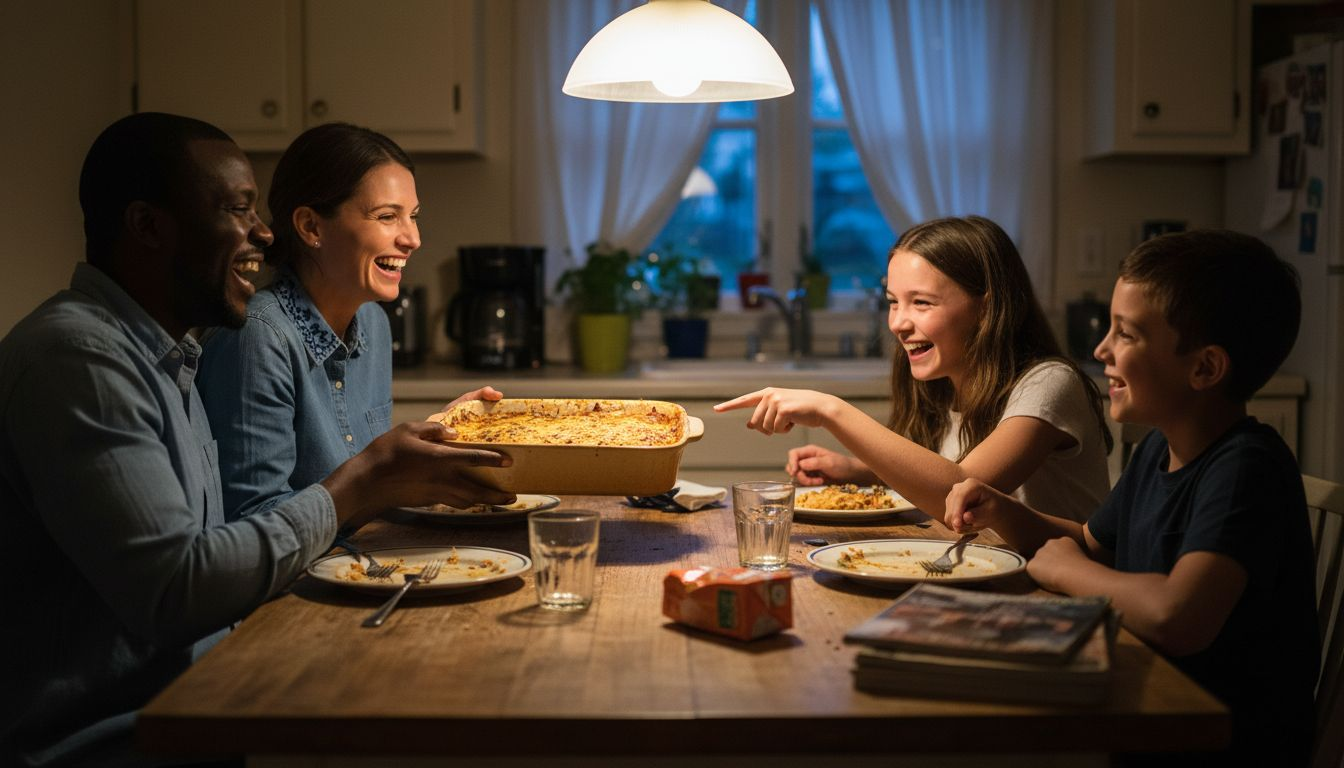
Family bonding activities play a crucial role in nurturing social-emotional development and creating lasting memories. Start by identifying activities that resonate with your family’s unique personality and interests, recognizing that rituals can take many forms beyond traditional expectations.
Consider these approaches to developing powerful family rituals:
- Create weekly traditions like game nights or shared meals
- Develop annual celebration practices unique to your family
- Establish morning or bedtime connection routines
- Plan regular outdoor adventures or exploration times
- Design meaningful holiday and milestone commemorations
Successful family rituals should feel authentic and enjoyable, not like mandatory obligations. Some families might prefer active rituals like weekend hikes, while others might cherish quiet moments of storytelling or collaborative cooking experiences.
Compare how different family rituals impact connection and well-being:
| Ritual Type | Connection Strength | Lasting Impact |
|---|---|---|
| Weekly Game Night | High | Builds family identity |
| Annual Traditions | Moderate | Maintains family legacy |
| Outdoor Adventures | High | Promotes shared joy |
| Daily Routines | Moderate | Provides daily stability |
Meaningful rituals are less about perfection and more about consistent, genuine connection.
Pro tip: Rotate ritual planning responsibilities among family members to ensure everyone feels invested and excited about your shared traditions.
Step 4: Address and Resolve Conflicts Constructively
Addressing family conflicts constructively transforms potential relationship fractures into opportunities for deeper understanding and connection. Conflict, when handled with empathy and intentionality, can actually strengthen family bonds rather than damage them.
Scholarly research on conflict resolution emphasizes the importance of integrating communication and emotional regulation skills. Begin by creating a safe, judgment-free environment where every family member feels heard and respected, focusing on understanding perspectives rather than winning arguments.
Key strategies for constructive conflict resolution include:
- Pause and regulate your emotional response before responding
- Use “I feel” statements instead of accusatory language
- Listen actively without interrupting or becoming defensive
- Seek to understand the underlying emotions behind the conflict
- Focus on finding collaborative solutions, not assigning blame
Successful conflict resolution requires patience, empathy, and a genuine commitment to maintaining family relationships. Remember that healthy conflict is a natural part of family dynamics and can lead to growth when approached with mutual respect.
Conflict is an opportunity for connection, not a battle to be won.
Pro tip: Practice deep breathing or take a brief timeout if emotions escalate, allowing everyone to return to the conversation with renewed calm and perspective.
Step 5: Evaluate Family Progress and Celebrate Growth
Evaluating family progress transforms your intentional efforts into meaningful, measurable growth that strengthens familial bonds. By regularly reflecting on your journey, you create opportunities for acknowledgment, adjustment, and celebration of your collective achievements.
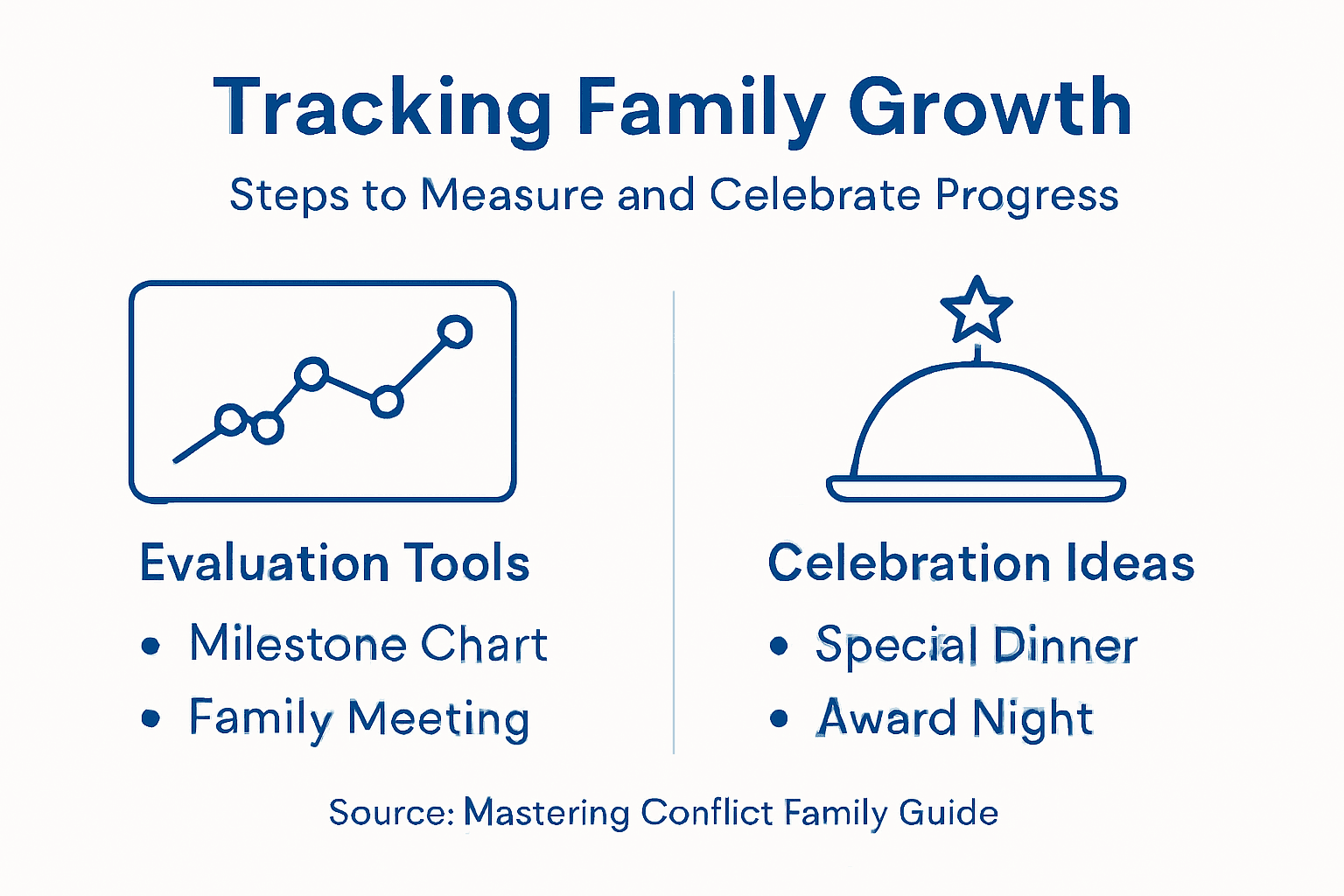
Family progress assessment strategies demonstrate the critical importance of ongoing reflection and celebration. Begin by scheduling periodic family meetings dedicated to reviewing the goals and strategies you’ve implemented, creating a transparent and supportive environment for honest dialogue.
Key approaches for evaluating and celebrating family progress include:
- Create a family progress journal or digital tracking system
- Hold quarterly family review meetings
- Acknowledge individual and collective achievements
- Discuss challenges and brainstorm collaborative solutions
- Adjust goals based on current family dynamics and growth
Successful family progress evaluation requires compassionate reflection and a growth-oriented mindset. Recognize that progress is not linear and every small step forward matters, regardless of how incremental it might seem.
Growth is a journey of continuous learning, not a destination to be reached.
Pro tip: Use visual progress trackers like milestone charts or shared digital boards to make family growth tangible and motivating for all members.
Strengthen Your Family Bonds with Expert Support
When family conflicts arise or communication feels strained, it can be challenging to maintain the meaningful connections you want. This article highlights key steps like setting clear goals, improving communication, creating rituals, and resolving conflicts with empathy—all essential for deepening family ties. If you find yourself struggling to put these strategies into practice or want personalized guidance to navigate emotional challenges, professional support can make all the difference.

Take the next step toward a healthier family dynamic by exploring the comprehensive services at Mastering Conflict. From family counseling and anger management to coaching programs tailored to your unique situation, Dr. Carlos Todd and his team provide evidence-based interventions designed to heal wounds and build resilience. Don’t wait for conflict to escalate. Visit Mastering Conflict now to schedule an appointment and begin strengthening your family bonds today.
Frequently Asked Questions
How can we start setting clear family goals?
Begin by holding a family meeting where everyone can share their ideas and aspirations. Aim to create a list of short-term and long-term goals that reflect your family’s values and priorities within the next couple of weeks.
What are effective communication patterns for families?
Establish consistent communication by practicing active listening and using “I” statements to express feelings without accusations. Schedule regular family meetings to discuss everyone’s thoughts and feelings, starting with one meeting every week.
What types of family rituals can we create to strengthen our bonds?
Develop meaningful family rituals such as weekly game nights or annual family trips that resonate with your family’s interests. Try to incorporate at least one new ritual within the next month to enhance your shared experiences.
How can we handle family conflicts in a constructive way?
Address family conflicts by pausing to regulate emotions before responding and using “I feel” statements to express your perspective. Focus on understanding each other’s feelings and finding collaborative solutions to strengthen your relationships over time.
How do we evaluate our family’s progress toward our goals?
Regularly review your family’s goals by scheduling quarterly meetings to discuss what is working and what needs adjustment. Consider keeping a family progress journal to celebrate achievements and identify areas for improvement every three months.
What steps can we take to celebrate our family’s growth?
Recognize and celebrate individual and collective achievements during your family progress meetings. Make it a habit to acknowledge at least one success each week to keep motivation high and reinforce the importance of your family’s journey.
Recommended
- How to Deal With Parenting Conflicts
- Parenting Conflict Resolution: Steps for Healthier Family Bonds – Mastering Conflict
- Healthy Family Dynamics: Complete Guide for Families – Mastering Conflict
- 7 Family Movie Night Ideas to Build Stronger Connections – Mastering Conflict
- Longevity ernährung: So isst du dich zu einem längeren Leben – mybody®x