Marriage Counseling: Transforming Couples’ Communication

Nearly half of American couples experience serious communication breakdowns that can lead to emotional distress and ongoing conflict. For couples in North Carolina and South Carolina, unresolved issues often affect daily life and connection, making it difficult to move forward together. Understanding how professional marriage counseling works gives you proven tools and clear strategies for rebuilding trust, improving communication, and restoring emotional balance within your relationship.
Table of Contents
- Marriage Counseling Defined and Debunked
- Major Types of Marriage Counseling Methods
- How Marriage Counseling Sessions Work
- Key Issues Addressed in Counseling
- Selecting a Qualified Marriage Counselor
- Costs, Risks, and Common Pitfalls
Key Takeaways
| Point | Details |
|---|---|
| Marriage Counseling Focus | It addresses relationship dynamics through collaborative sessions between trained professionals and couples. |
| Variety of Methods | Different counseling approaches, such as conjoint, individual, and group counseling, cater to distinct relationship issues. |
| Therapeutic Goals | Sessions aim to enhance communication, rebuild trust, and facilitate emotional reconnection for lasting relationship growth. |
| Counselor Selection | Identifying qualified marriage counselors involves reviewing credentials, therapeutic approach, and personal compatibility to ensure effective support. |
Marriage Counseling Defined and Debunked
Marriage counseling represents a strategic therapeutic approach designed to help couples navigate complex relationship challenges, restore communication, and rebuild emotional connections. Comprehensive psychological research reveals that marriage counseling is more than just talking through problems – it’s a structured intervention aimed at transforming interpersonal dynamics and resolving deep-seated conflicts.
At its core, marriage counseling involves collaborative sessions where trained professionals help couples identify underlying communication patterns, emotional triggers, and destructive relationship cycles. Unlike individual therapy, marriage counseling focuses specifically on the relationship itself, examining how both partners contribute to existing tensions and working together to develop healthier interaction strategies. Couples might explore issues ranging from communication breakdowns and intimacy challenges to managing external stressors like financial pressures or family conflicts.
The process typically involves both partners attending sessions together, though individual consultations may also occur to understand each person’s perspective more deeply. Professional counselors use various therapeutic techniques including cognitive behavioral approaches, emotional focused therapy, and communication skills training to help couples rebuild trust, improve understanding, and develop more effective conflict resolution mechanisms. Premarital counseling strategies can also provide foundational skills for couples looking to strengthen their relationship before marriage.
Pro tip: Before starting marriage counseling, discuss your individual and shared goals with your partner to maximize the therapeutic experience and commitment to positive change.
Major Types of Marriage Counseling Methods
Marriage counseling encompasses a diverse range of therapeutic approaches designed to address relationship challenges comprehensively. Comprehensive professional counseling research highlights several key methodological frameworks that counselors utilize to support couples through complex interpersonal dynamics.
Traditional counseling methods include conjoint counseling, where both partners attend sessions together to work through shared challenges. Another approach is individual counseling within a relationship context, where each partner receives separate therapeutic support to address personal emotional barriers. Group counseling offers couples the opportunity to learn from other couples experiencing similar relationship challenges, creating a supportive community environment. More specialized approaches like multifamily group counseling and home-based counseling provide additional targeted interventions for couples with unique needs.
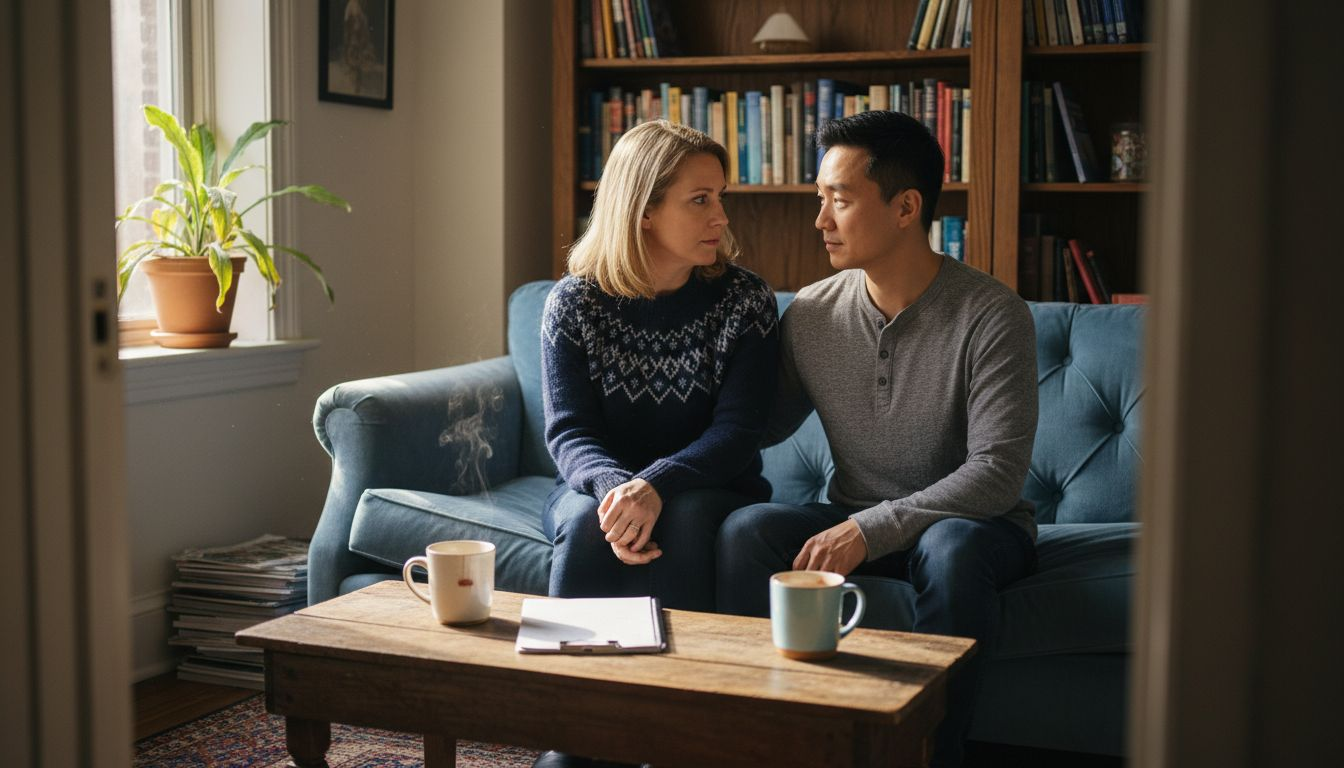
When to seek couples counseling often depends on the specific therapeutic approach that best matches a couple’s communication style and relationship challenges. Advanced counseling methods now incorporate systemic approaches that consider broader contextual factors, including cultural backgrounds, family dynamics, and individual psychological patterns. These nuanced techniques aim to provide holistic support that goes beyond surface-level conflict resolution, focusing on deep emotional reconnection and sustainable relationship growth.
Pro tip: Research and discuss different counseling approaches with your potential therapist to find the most suitable method for your specific relationship dynamics and personal communication needs.
Here’s a summary of major types of marriage counseling and their unique benefits:
| Counseling Method | Format | Suitable For | Unique Benefit |
|---|---|---|---|
| Conjoint Counseling | Both partners together | Couples seeking shared solutions | Enhances joint problem-solving |
| Individual in Context | Partners attend separately | Those with personal emotional barriers | Addresses individual blocks first |
| Group Counseling | Multiple couples together | Couples seeking peer support | Builds community perspective |
| Multifamily Group | Multiple families/couples | Complex, multi-family issues | Tackles interconnected dynamics |
| Home-Based Counseling | At couple’s residence | Mobility or safety concerns | Enables therapy in familiar setting |
How Marriage Counseling Sessions Work
Comprehensive research on marriage counseling processes reveals that marriage counseling sessions follow a structured yet flexible approach designed to address unique relationship dynamics. Typically, these sessions begin with an initial assessment where the counselor gathers background information about the couple’s relationship history, communication patterns, and specific challenges they are experiencing.
The first few sessions typically focus on establishing therapeutic alliance and creating a safe, non-judgmental environment where both partners can openly discuss their feelings and concerns. Counselors use various therapeutic techniques, including active listening, reflective questioning, and conflict resolution strategies, to help couples identify underlying communication barriers. Couples communication exercises play a crucial role in helping partners learn more effective ways of expressing their needs and emotions.
Subsequent sessions often involve deeper exploration of relationship patterns, emotional triggers, and individual psychological dynamics. Professional counselors might employ techniques such as emotional focused therapy, cognitive behavioral approaches, or systemic interventions to help couples develop more constructive interaction strategies. The goal is not just to resolve immediate conflicts but to build long-term relationship skills that promote understanding, empathy, and mutual respect. Typically, sessions last between 50-90 minutes and may occur weekly or biweekly, depending on the couple’s specific needs and progress.
Pro tip: Approach marriage counseling as a collaborative journey, being open, honest, and committed to personal and relational growth throughout the process.
Key Issues Addressed in Counseling
Comprehensive research on marriage counseling challenges reveals that couples seek counseling for a wide range of complex and interconnected relationship issues. These challenges extend far beyond simple communication problems, encompassing deep-rooted emotional, psychological, and practical conflicts that can significantly impact relationship stability and individual well-being.
The most common issues addressed in marriage counseling include extramarital affairs, financial disputes, and intimacy challenges. Couples frequently struggle with communication breakdowns, trust violations, and unresolved emotional traumas that create persistent relationship tensions. Parenting conflict resolution emerges as another critical area where counseling interventions can provide significant support, helping partners develop collaborative strategies for managing child-rearing disagreements and family dynamics.
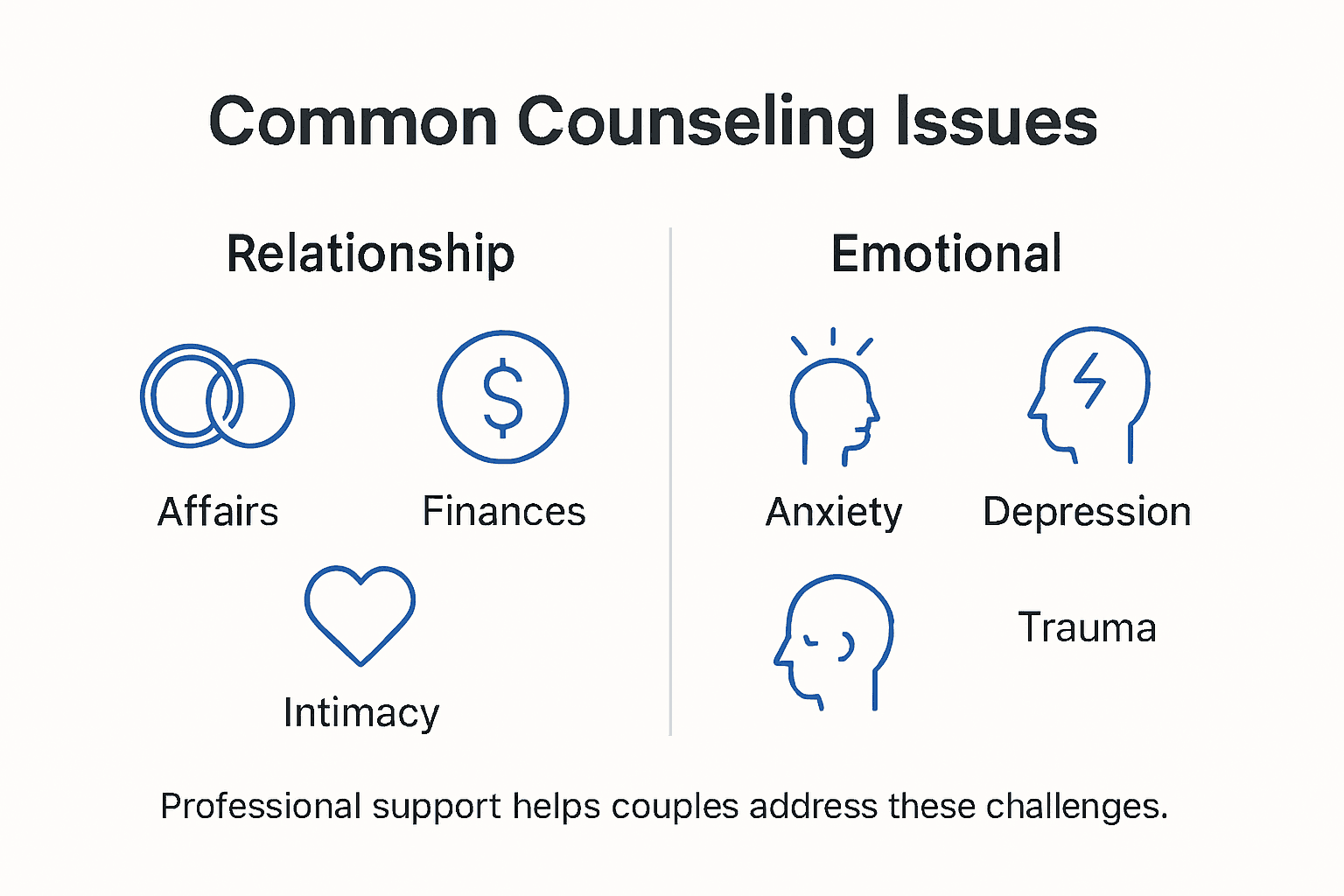
Additionally, counseling addresses more complex psychological issues such as substance abuse, depression, anxiety, and the impact of chronic illness on relationship functioning. Professional counselors work to help couples navigate cultural differences, career-related stress, and individual psychological challenges that can create significant relationship strain. The goal is not just to resolve immediate conflicts but to build resilience, develop healthy coping mechanisms, and create a more supportive, understanding partnership that can withstand life’s inevitable challenges.
Pro tip: Approach counseling with radical honesty and a willingness to examine your own behavioral patterns and emotional responses.
Selecting a Qualified Marriage Counselor
Professional counseling research highlights critical criteria for identifying a qualified marriage counselor, emphasizing that not all therapists are equally equipped to address complex relationship dynamics. Selecting the right professional requires careful consideration of their credentials, specialized training, and demonstrated expertise in couples therapy.
Key qualifications to examine include professional licensure, specialized marriage counseling certification, and membership in recognized counseling organizations. Prospective clients should verify the counselor’s educational background, specifically looking for advanced degrees in clinical psychology, marriage and family therapy, or counseling psychology. Finding a therapist for effective support involves researching their specific experience with relationship issues, therapeutic approach, and success in helping couples navigate complex emotional landscapes.
Beyond formal credentials, the most effective marriage counselors demonstrate exceptional interpersonal skills, cultural competence, and the ability to create a safe, non-judgmental therapeutic environment. Potential clients should consider factors such as the counselor’s communication style, approach to conflict resolution, and ability to remain neutral while supporting both partners. Many professionals offer initial consultations, which provide an opportunity to assess personal compatibility and understand the counselor’s therapeutic philosophy before committing to ongoing sessions.
Pro tip: Schedule initial consultations with multiple counselors and trust your intuition about which professional feels most capable of understanding and supporting your unique relationship challenges.
Costs, Risks, and Common Pitfalls
Professional research on marriage counseling challenges reveals that couples face significant financial and emotional considerations when exploring therapeutic interventions. Marriage counseling costs can range from $75 to $250 per session, with most couples requiring 8-12 sessions, potentially creating a substantial financial investment that requires careful planning and commitment.
Beyond financial considerations, couples encounter several critical risks and potential pitfalls. These include emotional vulnerability during sessions, potential temporary relationship destabilization, and the risk of working with an inadequately trained counselor. Marriage counseling before significant conflicts emerge can help mitigate these risks by establishing communication strategies and addressing potential issues proactively. Common challenges include resistance to change, unequal emotional engagement from partners, and unrealistic expectations about the counseling process.
The most significant risks involve potential mismanagement of sensitive emotional terrain. Some couples may experience increased tension if counseling sessions are not conducted professionally, potentially exacerbating existing relationship fractures. Professional counselors must maintain neutrality, provide structured interventions, and create a safe environment that allows both partners to express themselves honestly without fear of judgment or additional conflict.
Pro tip: Budget for counseling expenses in advance and view the investment as preventative relationship maintenance rather than a last-resort intervention.
Below is a concise comparison of typical costs, risks, and pitfalls associated with marriage counseling:
| Factor | Details | Impact on Couples |
|---|---|---|
| Typical Cost | $75–$250 per session | Requires budgeting and commitment |
| Session Frequency | Weekly or biweekly (8–12 sessions common) | Affects time and financial planning |
| Main Financial Risk | High cumulative expense | May deter ongoing participation |
| Emotional Risk | Increased vulnerability or temporary tension | Needs resilience and open dialogue |
| Common Pitfall | Unqualified counselor or unrealistic expectations | Can worsen relationship dynamics |
Strengthen Your Relationship Through Expert Marriage Counseling
Struggling with communication breakdowns or deep-rooted conflicts in your marriage can feel overwhelming. This article highlights how structured counseling sessions help couples rebuild trust and develop healthier communication patterns. If you recognize challenges like intimacy issues, emotional triggers, or trust violations in your relationship, taking proactive steps now is essential for lasting change.
Discover specialized couples therapy designed to transform your partnership at Mastering Conflict. Our evidence-based approaches, led by Dr. Carlos Todd, focus on effective conflict resolution and rebuilding emotional connections. Start with personalized support that fits your unique needs. Visit Marriage Counseling Resources to book your session or explore How to Find a Therapist for Effective Support and take the first step toward a healthier relationship today.
Frequently Asked Questions
What is marriage counseling?
Marriage counseling is a therapeutic approach aimed at helping couples navigate relationship challenges, restore communication, and improve emotional connections through structured interventions.
How do marriage counseling sessions typically proceed?
Sessions generally begin with an initial assessment, followed by establishing a safe environment where both partners can express their feelings. Subsequent sessions delve deeper into communication patterns and emotional dynamics.
What key issues can marriage counseling address?
Common issues include extramarital affairs, financial disputes, intimacy challenges, and communication breakdowns. Counseling also helps with parenting conflicts, psychological issues, and the impact of external stressors on the relationship.
How do I choose a qualified marriage counselor?
Look for counselors with proper licensure, specialized certifications in marriage counseling, and relevant experience. It’s also important to assess their interpersonal skills and therapeutic approach to ensure compatibility.
Recommended
- Enhance Your Relationship: Couples Communication Exercises – Mastering Conflict
- Top Couples Therapy Benefits for Families in 2025 – Mastering Conflict
- Communication Skills for Couples: Guide to Connection and Conflict Resolution – Mastering Conflict
- Couples Fight School – Mastering Conflict
- blog | siift | Business Communication Skills for Aspiring Entrepreneurs 2025