
Counseling for Women’s Issues: Empowerment and Change

Every woman faces unique pressures in places like North Carolina and South Carolina, where cultural expectations and family responsibilities often weigh heavily, especially for those in minority communities. Seeking mental health support is not always simple when balancing personal growth, grief, or family conflict with societal expectations. This article spotlights counseling for women’s issues, providing clear guidance on finding specialized therapy that centers your experiences, builds genuine empowerment, and addresses the systemic challenges you navigate every day.
Table of Contents
- Defining Counseling for Women’s Issues
- Types of Therapy Tailored for Women
- Key Principles and Approaches in Practice
- Unique Challenges in Women’s Counseling
- Legal Rights, Confidentiality, and Ethical Standards
- Barriers to Access and Effective Solutions
Key Takeaways
| Point | Details |
|---|---|
| Specialized Counseling | Counseling for women’s issues focuses on unique psychological challenges and systemic barriers faced by women, emphasizing gender-specific experiences for empowerment. |
| Diverse Therapeutic Approaches | Women’s counseling employs various therapeutic methods, including Feminist, Trauma-Informed, and Multicultural therapies, to address specific mental health needs. |
| Legal and Ethical Standards | Women’s counseling adheres to strict legal and ethical guidelines ensuring confidentiality and empowerment, particularly in sensitive contexts like domestic violence. |
| Barriers to Access | Key barriers such as economic constraints and cultural stigma must be addressed through innovative solutions like telehealth services and community outreach programs. |
Defining Counseling for Women’s Issues
Counseling for women’s issues represents a specialized mental health approach dedicated to addressing the unique psychological challenges and systemic barriers women encounter in contemporary society. It goes beyond traditional therapeutic models by recognizing gender-specific experiences and promoting holistic personal empowerment.
The core philosophy of women’s counseling emerges from a critical understanding of how social structures, cultural expectations, and systemic inequalities impact women’s mental health. Feminist therapy techniques are central to this approach, focusing on consciousness-raising and dismantling internalized oppressive narratives that limit personal growth and psychological well-being.
Key aspects of counseling for women’s issues include:
- Addressing gendered social roles and expectations
- Exploring intersectional experiences of marginalization
- Developing strategies for personal and professional empowerment
- Healing from gender-based trauma and discrimination
- Building resilience against systemic psychological challenges
By adopting a nuanced, multicultural framework, women’s counseling aims to validate individual experiences while simultaneously challenging broader societal power dynamics. Therapists in this field are trained to provide compassionate, justice-oriented support that recognizes each woman’s unique journey and potential for transformative change.
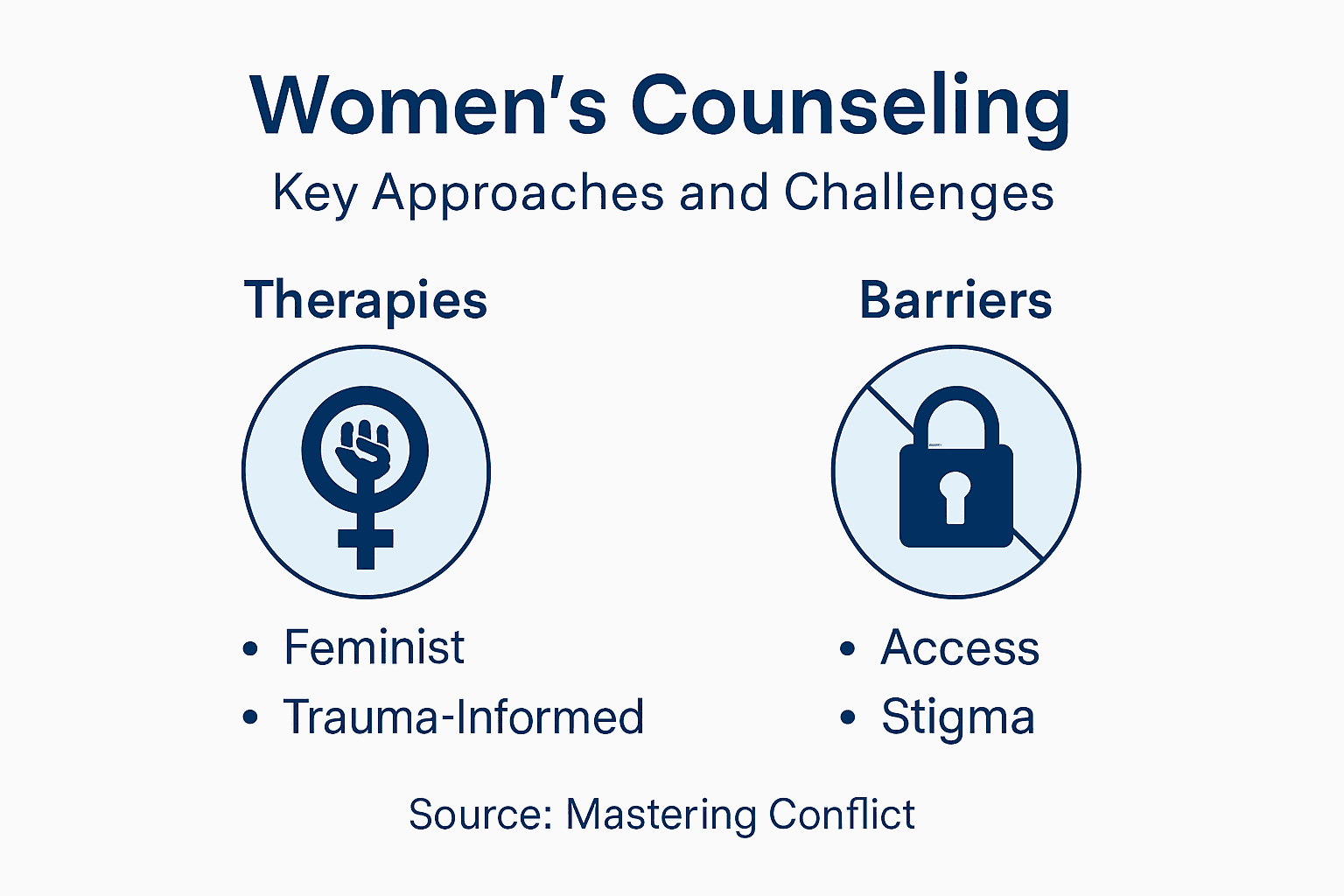
Pro tip: When seeking counseling, prioritize therapists who demonstrate a deep understanding of feminist therapeutic principles and a commitment to your holistic empowerment.
Types of Therapy Tailored for Women
Women’s counseling encompasses a diverse range of therapeutic approaches specifically designed to address the complex psychological experiences unique to women. Feminist therapeutic interventions represent a critical framework that goes beyond traditional mental health treatment by recognizing and validating gender-specific challenges.
The primary therapeutic approaches tailored for women include:
- Feminist Therapy: Centers on challenging systemic oppression and empowering women to recognize and dismantle internalized negative narratives
- Trauma-Informed Therapy: Specifically addresses gender-based violence, sexual assault, and systemic discrimination experiences
- Multicultural Counseling: Acknowledges intersectional identities and provides culturally sensitive support
- Group Therapy: Creates supportive environments for collective healing and shared experiences
- Narrative Therapy: Helps women reframe personal stories and reclaim agency in their life narratives
Each therapeutic modality is carefully constructed to support women’s psychological well-being by understanding the intricate ways social structures, cultural expectations, and personal experiences intersect. Professional therapists trained in these approaches recognize that women’s mental health cannot be understood through a one-size-fits-all lens.
Multicultural and integrative approaches ensure that therapy addresses not just individual symptoms, but broader systemic challenges that impact women’s psychological experiences. By providing compassionate, justice-oriented support, these specialized therapies aim to facilitate personal growth, resilience, and transformative healing.
Pro tip: When selecting a therapist, prioritize professionals who demonstrate expertise in feminist and multicultural therapeutic principles and show genuine commitment to understanding your unique experiences.
Here’s how key therapy approaches for women differ in focus and application:
| Therapy Type | Primary Focus | Typical Application |
|---|---|---|
| Feminist Therapy | Challenges systemic bias | Empowerment, identity |
| Trauma-Informed Therapy | Treats trauma & violence | Recovery, resilience |
| Multicultural Counseling | Cultural sensitivity | Identity, belonging |
| Group Therapy | Collective support | Peer healing, connection |
| Narrative Therapy | Story reframing | Personal agency, meaning |
Key Principles and Approaches in Practice
Feminist counseling principles represent a transformative approach to mental health that fundamentally challenges traditional therapeutic models. These principles are grounded in a deep commitment to understanding women’s experiences through a lens of social justice, empowerment, and holistic personal development.
The core principles guiding women’s counseling practice include:
- Power Dynamics: Recognizing and actively dismantling systemic power imbalances
- Intersectionality: Acknowledging diverse identities and complex social experiences
- Collaborative Healing: Creating egalitarian therapeutic relationships
- Cultural Consciousness: Respecting individual and collective cultural contexts
- Trauma-Informed Care: Understanding the profound impact of systemic discrimination
Therapeutic approaches emphasize creating safe, non-hierarchical spaces where women can explore their experiences without judgment. Professional counselors trained in these principles move beyond traditional symptom-focused treatments, instead addressing the broader social and psychological contexts that shape women’s mental health.
By integrating social justice frameworks with compassionate clinical practice, these approaches aim to transform not just individual experiences, but contribute to broader societal change. The ultimate goal is empowerment – helping women develop resilience, self-understanding, and the capacity to challenge oppressive systems that impact their psychological well-being.
Pro tip: During therapy, actively engage with your counselor about their understanding of feminist principles and how they apply these approaches in practice.
Unique Challenges in Women’s Counseling
Women’s mental health counseling confronts a complex landscape of deeply rooted societal challenges that require nuanced, compassionate therapeutic approaches. Domestic violence and systemic barriers represent critical intersections that significantly impact women’s psychological well-being, demanding specialized intervention strategies.
The most prominent challenges in women’s counseling include:
- Social Stigma: Persistent cultural narratives that discourage women from seeking mental health support
- Intersectional Barriers: Complex identity challenges related to race, class, sexuality, and cultural background
- Trauma Recovery: Addressing experiences of gender-based violence and systemic discrimination
- Economic Constraints: Limited access to consistent, quality mental health resources
- Internalized Oppression: Psychological impacts of long-term systemic marginalization
Therapeutic approaches must recognize that women’s mental health experiences are profoundly shaped by broader social dynamics. Professional counselors need to develop strategies that not only address individual symptoms but also acknowledge the systemic contexts that contribute to psychological distress.
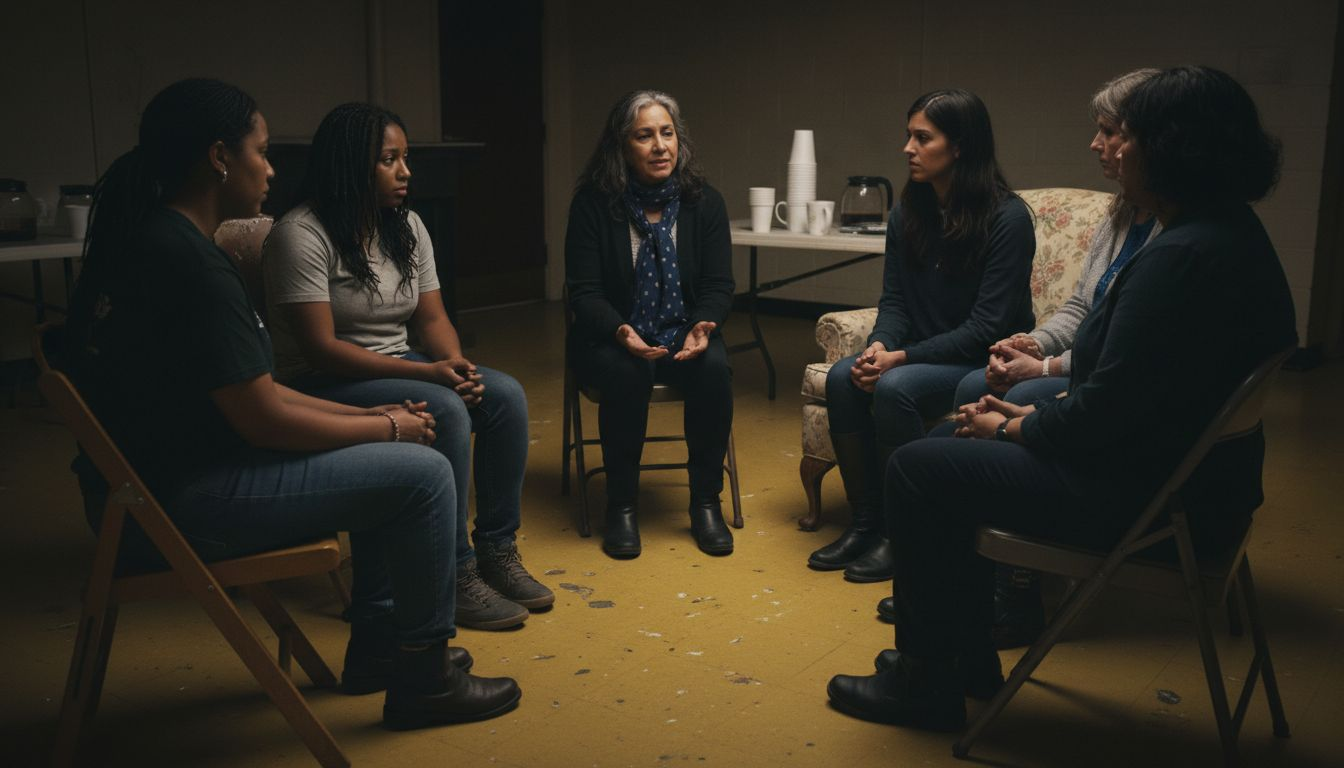
Moreover, emerging therapeutic models are increasingly leveraging technology to overcome traditional barriers. Virtual counseling platforms provide more accessible, flexible mental health support, particularly for women facing geographical, economic, or cultural restrictions in obtaining traditional therapeutic services.
Pro tip: During your initial counseling consultation, openly discuss your unique background and specific challenges to ensure a truly personalized therapeutic approach.
Legal Rights, Confidentiality, and Ethical Standards
Counseling for women involves complex legal and ethical considerations that protect client autonomy, safety, and psychological well-being. Confidentiality guidelines form the cornerstone of ethical practice, ensuring women can discuss sensitive issues with complete professional protection and trust.
Key legal and ethical standards in women’s counseling encompass:
- Informed Consent: Transparent communication about therapeutic processes and client rights
- Privacy Protection: Rigorous confidentiality protocols safeguarding personal information
- Mandatory Reporting: Legal obligations regarding potential harm or abuse
- Cultural Competence: Respecting diverse backgrounds and individual experiences
- Professional Boundaries: Maintaining clear, ethical therapeutic relationships
These standards are particularly critical in contexts involving domestic violence, discrimination, or systemic trauma. Professional counselors must navigate complex legal landscapes while prioritizing client safety, autonomy, and psychological healing.
Modern counseling practices increasingly recognize the need for dynamic ethical frameworks that balance legal requirements with compassionate, client-centered care. This approach ensures that women receive supportive, legally compliant therapeutic interventions that respect their individual experiences and personal boundaries.
Pro tip: Always request a clear explanation of confidentiality policies and legal reporting requirements during your initial counseling consultation.
Barriers to Access and Effective Solutions
Systemic barriers impacting women’s counseling access create complex challenges that require multifaceted, compassionate intervention strategies. These obstacles extend far beyond simple logistical limitations, encompassing deep-rooted social, economic, and cultural constraints that prevent women from seeking and receiving essential mental health support.
Key barriers to counseling access include:
- Economic Constraints: Limited financial resources and inadequate insurance coverage
- Cultural Stigma: Social narratives that discourage mental health help-seeking
- Geographic Limitations: Reduced availability of specialized services in rural areas
- Language and Communication Barriers: Challenges for non-native speakers and diverse cultural groups
- Time and Scheduling Restrictions: Competing personal and professional responsibilities
Effective solutions require a comprehensive, holistic approach that addresses these multidimensional challenges. Professional organizations and mental health providers must develop innovative strategies that break down traditional barriers, such as offering flexible telehealth options, sliding-scale payment models, and culturally sensitive programming.
Technology and community-based initiatives are increasingly playing crucial roles in expanding access. Online counseling platforms, peer support networks, and targeted outreach programs can help overcome traditional barriers, providing more inclusive and accessible mental health resources for women from diverse backgrounds.
Pro tip: Research local community health centers and online platforms that offer sliding-scale or free counseling services to explore affordable mental health support options.
Compare common barriers to access with solutions designed to address them:
| Barrier | Example Impact | Solution Type |
|---|---|---|
| Economic Constraints | Cannot afford regular visits | Sliding-scale fees |
| Geographic Limitations | No services nearby | Telehealth/virtual counseling |
| Cultural Stigma | Fear of judgment | Community outreach programs |
| Language Barriers | Poor communication | Multilingual counselors |
| Time Restrictions | Busy schedules | Flexible appointment options |
Empower Your Journey with Compassionate Counseling for Women
Women face unique mental health challenges shaped by systemic barriers, gender-based trauma, and social expectations. This article highlights crucial concepts like feminist therapy, trauma-informed care, and intersectionality that empower women to reclaim their stories and heal. If you are seeking supportive, justice-oriented counseling that addresses these intricate needs, you are not alone.
Discover personalized mental health solutions designed to meet your unique experiences at Mastering Conflict. Whether you need individual therapy, trauma-informed support, or coaching for personal growth, our experienced team led by Dr. Carlos Todd offers evidence-based interventions that prioritize your empowerment. Start your transformative healing today by visiting our homepage and explore services tailored to women’s mental health and more. Take the next step toward resilience and change now.
Frequently Asked Questions
What is counseling for women’s issues?
Counseling for women’s issues is a specialized mental health approach that addresses unique psychological challenges and systemic barriers women face in society, focusing on empowerment and holistic personal growth.
What types of therapy are commonly used in women’s counseling?
Common types of therapy in women’s counseling include feminist therapy, trauma-informed therapy, multicultural counseling, group therapy, and narrative therapy, each designed to support women’s psychological well-being in different ways.
How can I find a therapist who specializes in women’s issues?
Look for therapists who demonstrate expertise in feminist and multicultural therapeutic principles, and consider seeking referrals through community organizations or online directories that focus on women’s mental health.
What are some unique challenges women face in mental health counseling?
Women often confront challenges such as social stigma, intersectional barriers related to race and identity, trauma recovery from gender-based violence, economic constraints, and the effects of internalized oppression in mental health counseling.
Recommended
- Counseling for Women: Empowerment and Well-Being – Mastering Conflict
- Coaching Program for Women Leaders With Natasha Pemberton
- Women’s Counseling Therapist in Charlotte, NC 28262
- What Is Empathy? Complete Guide to Core Skills – Mastering Conflict
- Why Women Over 35 Struggle With Cortisol (And The Simple Habit That He – Asli Nutrition
- The Art of Saying No: How Boundaries Improve Mental Health – Lunix