
What Is Empathy? Complete Guide to Core Skills

Most american adults believe empathy is an unchangeable trait, yet studies reveal that this ability can be nurtured and strengthened. Understanding empathy is crucial because it shapes how we connect, support, and resolve conflicts with others. By separating myths from science and exploring empathy’s real layers, this article uncovers what truly helps americans build deeper, healthier relationships and navigate emotions with more confidence.
Table of Contents
- Defining Empathy: Core Concepts and Misconceptions
- Types of Empathy: Cognitive, Emotional, and Compassionate
- How Empathy Functions in Relationships and Therapy
- Benefits of Empathy for Conflict Resolution and Growth
- Common Barriers to Practicing Empathy Effectively
Key Takeaways
| Point | Details |
|---|---|
| Empathy is a skill, not a trait | Empathy can be developed and refined through deliberate practice and psychological training over time. |
| Types of empathy | Understanding cognitive, emotional, and compassionate empathy enhances interpersonal relationships and emotional intelligence. |
| Empathy’s role in relationships and therapy | Effective empathy improves emotional connection, communication, and outcomes in both therapeutic and personal contexts. |
| Barriers to effective empathy | Overcoming cognitive biases and maintaining emotional balance are essential for authentic empathetic engagement. |
Defining Empathy: Core Concepts and Misconceptions
Empathy represents a complex psychological ability that allows individuals to understand and share the feelings of another person. At its core, empathy involves more than simply recognizing emotions – it requires a deep, nuanced capacity to emotionally connect and comprehend another’s inner experience. Empathy in relationships demands a multifaceted approach that goes beyond surface-level understanding.
Contrary to popular belief, empathy is not a fixed trait but a skill that can be developed and refined over time. Research highlights several critical misconceptions about empathy that often prevent people from truly understanding its nature. For instance, many erroneously assume that empathy is an innate quality that cannot be learned or improved. However, scientific evidence suggests that individuals can systematically enhance their empathetic capabilities through deliberate practice and psychological training.
The cognitive component of empathy involves intellectually understanding another person’s perspective, while the emotional component requires actually feeling what another person experiences. This nuanced understanding challenges simplistic views that reduce empathy to a single dimension. Complex neurological and psychological research demonstrates that empathy involves multiple interconnected processes, including perspective-taking, emotional regulation, and genuine emotional resonance. By recognizing these intricate layers, individuals can develop more sophisticated approaches to understanding and connecting with others’ emotional experiences.
Key misconceptions about empathy often emerge from oversimplified understandings that fail to capture its true complexity. Some people mistakenly believe that empathy always leads to emotional exhaustion or that highly empathetic individuals are inherently vulnerable. In reality, healthy empathy involves maintaining appropriate emotional boundaries while still providing meaningful connection and understanding. Developing empathy is not about absorbing another’s pain, but about creating a supportive, compassionate space where emotional experiences can be acknowledged and validated.
Types of Empathy: Cognitive, Emotional, and Compassionate
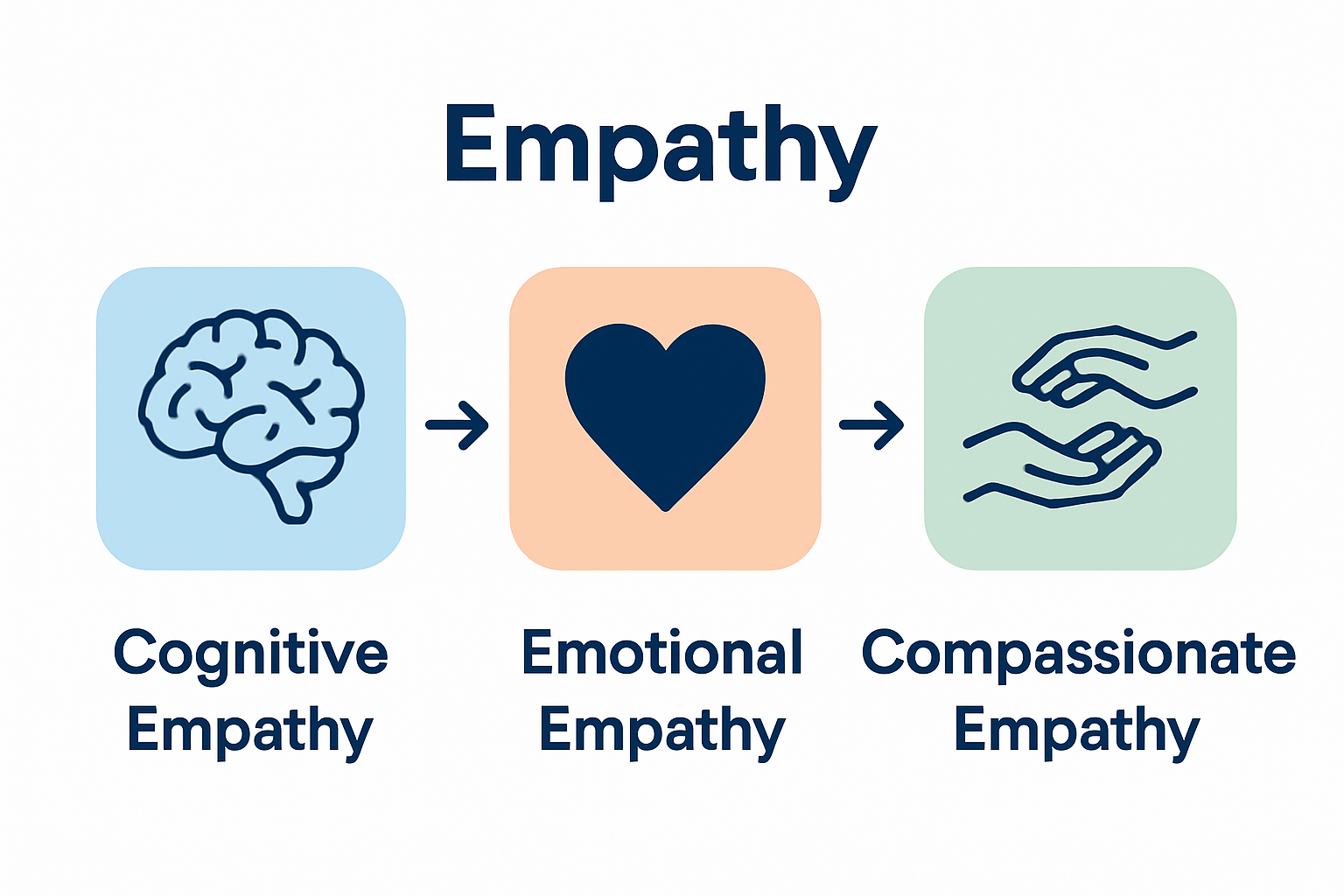
Empathy is a multifaceted psychological construct that can be understood through three distinct yet interconnected types: cognitive, emotional, and compassionate empathy. Cognitive empathy represents the intellectual capacity to understand another person’s mental state and emotional perspective without necessarily experiencing their feelings directly. This type of empathy allows individuals to rationally comprehend another’s emotional landscape, providing insight into their thoughts and potential reactions.
The emotional empathy component involves a deeper, more visceral experience of actually feeling what another person feels. Unlike cognitive empathy, this type creates a profound emotional resonance where an individual experiences similar emotional states as the person they are connecting with. This form of empathy enables a more intuitive and immediate understanding of another’s emotional experience, creating a powerful sense of emotional connection and shared experience.
Compassionate empathy represents the most comprehensive and actionable form of empathetic engagement. This type not only involves understanding and feeling another’s emotions but also motivates individuals to take concrete actions to support and assist the person experiencing difficulty. Compassionate empathy transforms emotional understanding into meaningful support, bridging the gap between intellectual recognition and genuine emotional care. It requires both emotional intelligence and a proactive approach to helping others through their challenges.

Understanding these three types of empathy reveals the complexity of human emotional connection. While some individuals might naturally excel in one type of empathy, developing skills across all three categories can significantly enhance interpersonal relationships and emotional intelligence. By recognizing the unique characteristics of cognitive, emotional, and compassionate empathy, individuals can cultivate more nuanced and meaningful connections with others, ultimately fostering deeper understanding and more supportive social interactions.
How Empathy Functions in Relationships and Therapy
Empathy serves as a critical psychological mechanism that transforms interpersonal interactions, particularly within therapeutic contexts and intimate relationships. Mastering empathy in conflict resolution requires understanding its profound impact on emotional connection and communication. Medical education research highlights that empathy is not just an innate trait but a skill that can be systematically developed and refined through intentional practice and professional training.
In therapeutic settings, empathy functions as a powerful diagnostic and healing tool. Emotional attunement allows mental health professionals to create safe, supportive environments where clients feel genuinely understood and validated. Research demonstrates that therapists who effectively balance cognitive understanding with emotional resonance can significantly enhance treatment outcomes. This delicate balance prevents compassion fatigue while maintaining professional emotional boundaries.
Relationships thrive when empathy becomes a consistent, practiced interaction style. Partners who develop sophisticated empathetic skills can navigate conflicts more effectively, create deeper emotional intimacy, and build resilient connections. By actively listening, validating each other’s experiences, and demonstrating genuine emotional understanding, individuals transform potential confrontations into opportunities for mutual growth and connection. The key lies in moving beyond surface-level responses to creating meaningful emotional resonance.
Ultimately, empathy functions as a bridge between individual experiences, allowing people to transcend personal perspectives and create genuine human connections. Whether in therapeutic settings or personal relationships, empathy requires continuous cultivation, self-awareness, and a commitment to understanding others with compassion and depth. It is not about perfect understanding, but about creating a space of genuine emotional safety and mutual respect.
Benefits of Empathy for Conflict Resolution and Growth
Empathy emerges as a powerful transformative tool that significantly enhances conflict resolution and personal development. Conflict resolution strategies fundamentally depend on the ability to understand and validate different perspectives. Research exploring prosocial behavior demonstrates that empathy acts as a critical mechanism for creating meaningful interpersonal connections and reducing potential confrontational dynamics.
Cognitive empathy plays a crucial role in navigating complex social interactions by enabling individuals to understand different perspectives intellectually. Comparative studies across age groups reveal that the ability to comprehend another’s viewpoint directly correlates with more effective conflict resolution skills. This intellectual understanding allows people to deconstruct confrontational situations, identify underlying emotional triggers, and develop more nuanced communication strategies.
Emotional growth emerges as another significant benefit of cultivating empathy. By developing the capacity to genuinely understand and resonate with others’ experiences, individuals expand their emotional intelligence and interpersonal capabilities. This growth manifests through improved communication skills, increased emotional resilience, and a more sophisticated approach to resolving disagreements. Empathy transforms potential conflicts from destructive interactions into opportunities for mutual understanding and collaborative problem solving.
Ultimately, empathy functions as a sophisticated psychological mechanism that bridges individual experiences, allowing people to transcend personal limitations and create more meaningful connections. The practice of empathy requires continuous self-reflection, emotional awareness, and a genuine commitment to understanding diverse human experiences. By embracing empathy as a core interpersonal skill, individuals can develop more robust, compassionate, and effective approaches to navigating complex social and emotional landscapes.
Common Barriers to Practicing Empathy Effectively
Practicing empathy effectively requires navigating complex psychological and emotional challenges that can significantly impede genuine connection. Communication barriers often emerge from deep-rooted cognitive and emotional limitations that prevent individuals from truly understanding others’ perspectives. The hot-cold empathy gap represents a critical cognitive bias where people struggle to comprehend emotional experiences outside their current psychological state, creating significant obstacles to authentic empathetic engagement.
Cognitive biases play a substantial role in limiting empathetic responses. Individuals frequently experience difficulty stepping outside their personal perspectives, which creates a natural barrier to understanding diverse emotional experiences. Some people unconsciously rely on their own emotional frameworks, making it challenging to genuinely appreciate different lived experiences. This self-referential approach can lead to misinterpretations and superficial attempts at understanding that fail to capture the nuanced emotional landscapes of others.
Rational approaches to empathy suggest that emotional overidentification can actually undermine effective understanding. Paradoxically, being too emotionally invested can create distorted perceptions that prevent clear, compassionate engagement. This phenomenon highlights the importance of maintaining a balanced approach that combines emotional awareness with intellectual objectivity. Successful empathy requires the ability to connect emotionally while simultaneously maintaining enough psychological distance to provide meaningful support.
Ultimately, overcoming barriers to empathy demands continuous self-reflection, emotional intelligence, and a genuine commitment to understanding diverse human experiences. Individuals must actively challenge their cognitive limitations, recognize personal biases, and develop more sophisticated approaches to emotional connection. By cultivating awareness of these barriers, people can gradually expand their capacity for genuine empathy, creating more meaningful and compassionate interpersonal relationships.
Unlock the Power of Empathy to Transform Your Relationships and Well-being
Understanding empathy goes beyond just feeling what others feel. The article highlights that true empathy involves mastering cognitive, emotional, and compassionate skills while overcoming common barriers like emotional exhaustion and cognitive biases. If you struggle to connect deeply with others or want to strengthen your emotional intelligence for healthier relationships, these challenges can feel overwhelming. At Mastering Conflict, we recognize that developing empathy is a vital step in effective conflict resolution and emotional growth.

Unlocking your empathy skills today can lead to profound personal and relational breakthroughs. Our programs and therapy services offer evidence-based support in areas like couples therapy, anger management, and individual counseling tailored to help you cultivate compassionate empathy without emotional burnout. Explore how to build emotional resilience and master empathetic communication by visiting Mastering Conflict and discover practical tools for growth in our anger management classes or personalized therapy sessions. Dont wait to create the supportive connections and emotional safety you deserve. Reach out now to start your journey toward deeper understanding and lasting change.
Frequently Asked Questions
What is empathy and why is it important?
Empathy is the ability to understand and share the feelings of another person. It is important because it fosters deeper connections between individuals, enhances communication, and is essential for resolving conflicts and promoting emotional well-being in relationships.
What are the different types of empathy?
There are three main types of empathy: cognitive empathy (understanding another person’s perspective), emotional empathy (feeling what another person feels), and compassionate empathy (taking action to support others based on emotional understanding).
How can empathy be developed?
Empathy can be developed through intentional practice and psychological training, such as active listening, perspective-taking exercises, and engaging in supportive, compassionate interactions with others. This skill can be refined over time rather than seen as a fixed trait.
How does empathy function in therapeutic settings?
In therapeutic settings, empathy acts as a powerful tool that helps counselors or therapists create a safe environment for clients. It allows professionals to understand and validate clients’ emotions, leading to more effective treatment outcomes and facilitating emotional healing.
Recommended
- Empathy in Relationships: Complete Guide to Connection – Mastering Conflict
- Mastering Empathy in Conflict Resolution: A Step-by-Step Guide – Mastering Conflict
- What Is Emotional Intimacy? Complete Expert Guide – Mastering Conflict
- 7 Essential Tips for Developing Emotional Intelligence – Mastering Conflict