
Conflict Resolution for Teens: Building Communication Skills

Every american parent knows the teen years rarely unfold without emotional ups and downs. In North Carolina and South Carolina, family conflicts have become even more common, with studies showing that over 60 percent of American adolescents struggle to resolve disagreements in healthy ways. Helping teens learn conflict resolution can ease family tension, support emotional growth, and strengthen communication for better relationships at home and school.
Table of Contents
- What Is Conflict Resolution for Teens?
- Key Types of Teen Conflicts Explained
- Core Skills for Effective Communication
- Strategies for De-Escalating Disputes
- Common Mistakes and How to Avoid Them
- Supporting Teens: Family and Professional Roles
Key Takeaways
| Point | Details |
|---|---|
| Conflict Resolution is Vital for Teens | Teens should learn how to manage disagreements positively, which aids emotional growth and social development. |
| Understanding Conflict Types | Conflicts can arise in family, peer, and academic contexts, each requiring tailored approaches for effective resolution. |
| Key Communication Skills | Active listening, assertive expression, and emotional regulation are essential skills for constructive interactions. |
| Family and Professional Support Systems | Both family dynamics and professional resources are crucial in teaching teens effective conflict resolution techniques. |
What Is Conflict Resolution for Teens?
Conflict resolution for teens is a structured approach to addressing interpersonal disagreements through communication, understanding, and problem-solving skills. Teenagers experience complex social dynamics that make managing conflicts particularly challenging, requiring specialized strategies to navigate emotional interactions effectively.
At its core, conflict resolution involves learning how to recognize, address, and constructively manage disagreements. Adolescent conflict resolution behaviors range from minor differences of opinion to more intense arguments, with significant implications for relationship development and emotional growth. The process goes beyond simply stopping an argument – it focuses on understanding different perspectives, expressing feelings respectfully, and finding mutually acceptable solutions.
Research indicates that teens are particularly vulnerable to destructive conflict resolution methods due to ongoing biological, cognitive, and emotional changes. Problem-solving approaches for interpersonal challenges are essential for preventing escalation and developing healthy social skills. This means teaching teenagers to communicate openly, listen actively, manage emotions, and seek collaborative resolutions rather than resorting to aggression or withdrawal.
Pro tip: Practice active listening with your teen by repeating back what you heard them say, which helps them feel understood and demonstrates respect during potential conflict situations.
Key Types of Teen Conflicts Explained
Teen conflicts represent complex emotional challenges that emerge across multiple domains of adolescent life. Understanding these diverse conflict types is crucial for parents and caregivers seeking to support healthy communication and emotional development. Adolescent conflict experiences span a wide range of interpersonal and intrapersonal interactions, each presenting unique emotional and social dynamics.
Teenagers typically encounter conflicts in three primary domains: family relationships, peer interactions, and academic environments. Within family settings, conflicts often arise from disagreements about personal autonomy, household rules, privacy, and differing expectations between parents and teens. Peer-related conflicts frequently involve social status, romantic relationships, friend group dynamics, and challenges related to social acceptance. Academic conflicts might include competitive pressures, group project tensions, performance expectations, and navigating relationships with teachers and classmates.
Conflict resolution strategies must be tailored to the specific context and emotional landscape of each conflict type. Internal conflicts are equally significant, involving struggles with personal identity, self-esteem, and emerging independence. These internal battles can manifest as external conflicts with family, friends, or academic environments, highlighting the interconnected nature of teenage emotional experiences.
Here’s a comparison of key conflict types teens face and their unique challenges:
| Conflict Type | Typical Triggers | Emotional Impact | Support Approach |
|---|---|---|---|
| Family Relationships | Autonomy, rules, privacy | Frustration, resentment | Open dialogue, boundary setting |
| Peer Interactions | Social status, friendships, dating | Anxiety, exclusion, jealousy | Mediation, empathy building |
| Academic Environment | Competition, group work, grades | Stress, inadequacy | Collaborative problem-solving |
| Internal/Personal | Identity, self-esteem, independence | Confusion, withdrawal | Counseling, self-reflection |
Pro tip: Create a safe, non-judgmental space for your teen to discuss conflicts, actively listening without immediately offering solutions to help them feel heard and understood.
Core Skills for Effective Communication
Communication skills are the foundation of healthy interpersonal relationships, especially during the complex teenage years. Effective communication strategies encompass verbal, non-verbal, and digital interactions that help teens navigate social landscapes with confidence and emotional intelligence. Mastering these skills requires deliberate practice and understanding of nuanced communication techniques.
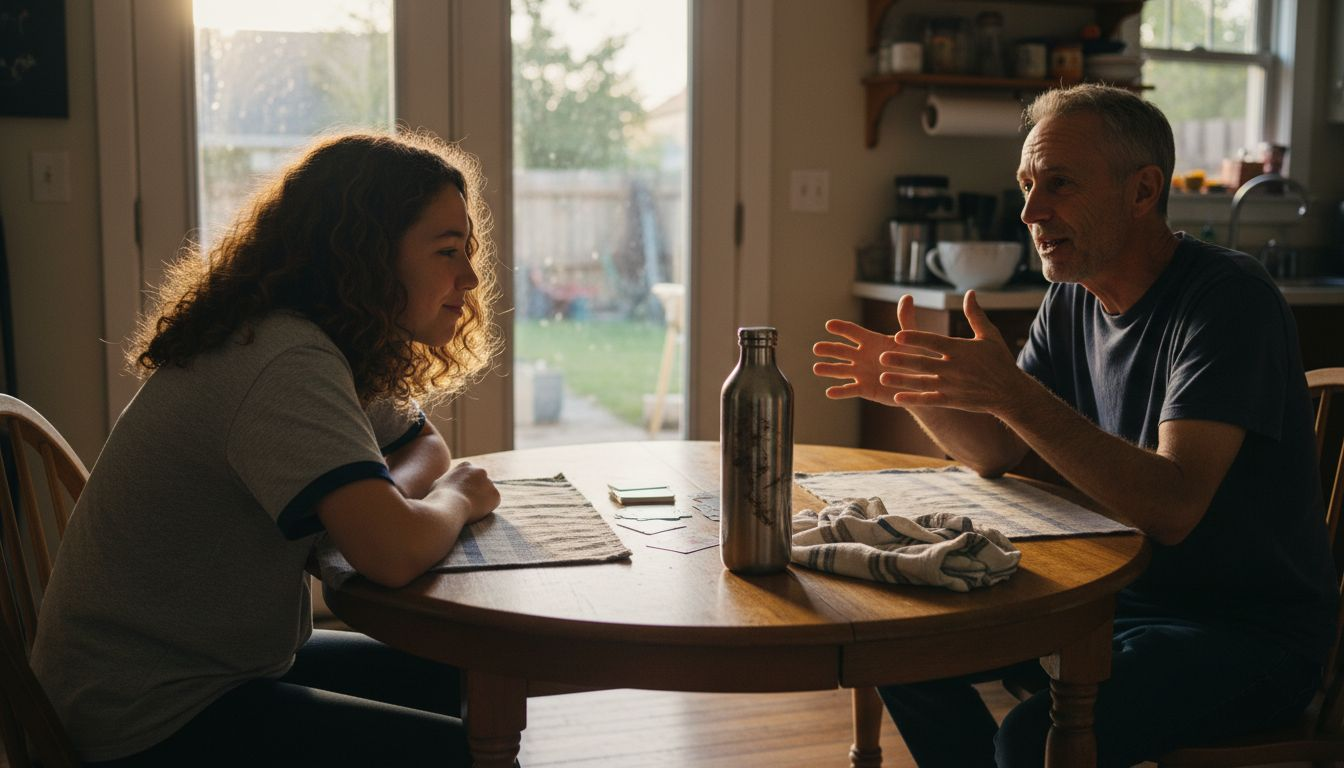
The core communication skills for teens include active listening, assertive expression, and emotional regulation. Communication techniques for teens emphasize using “I” statements to express feelings without blame, which transforms potential confrontations into collaborative discussions. Active listening involves fully concentrating on the speaker, demonstrating genuine interest through body language, maintaining eye contact, and providing thoughtful responses. This approach validates the speaker’s experience and builds trust in relationships.
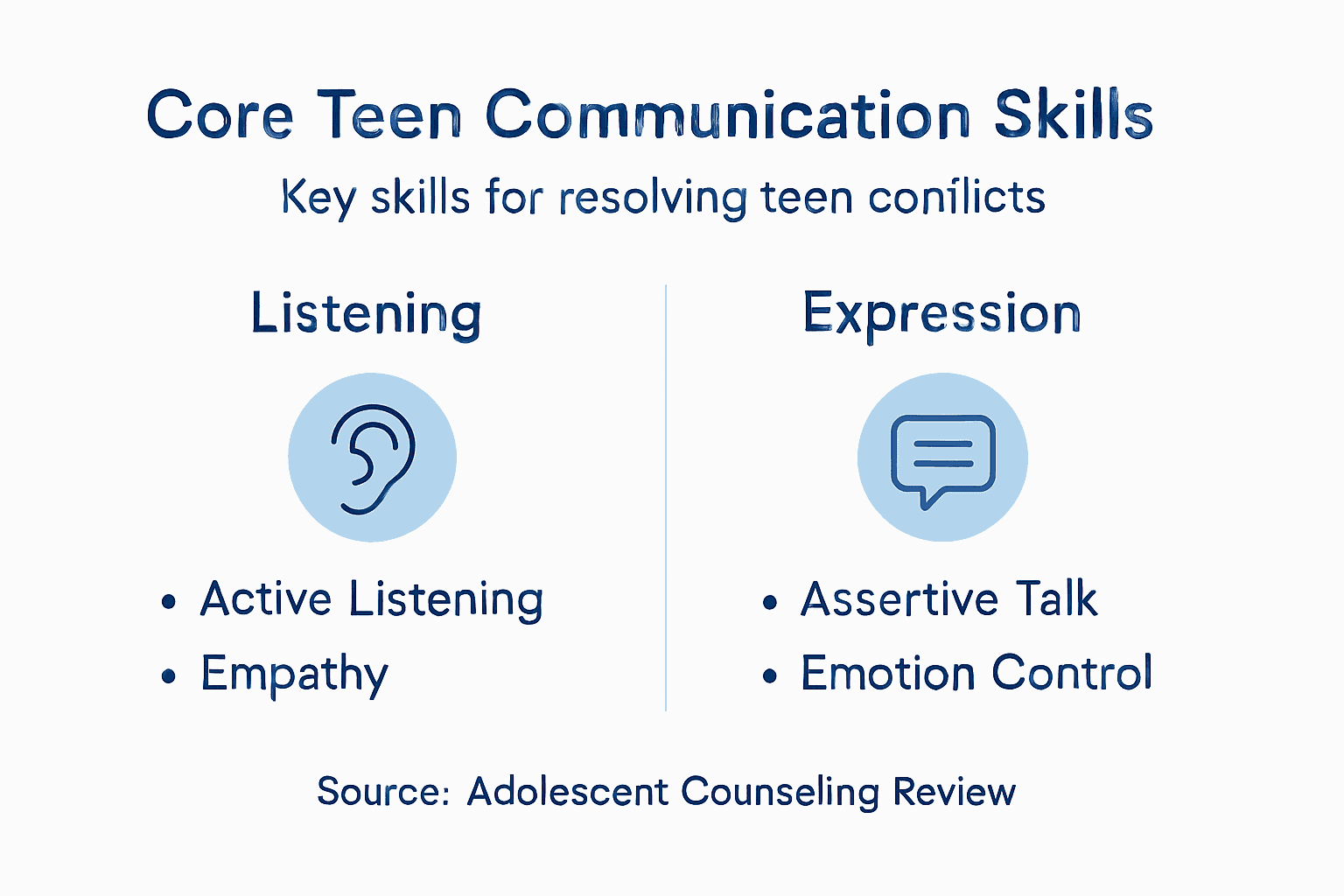
Non-verbal communication plays an equally critical role in effective interaction. Teens must learn to recognize and manage their body language, facial expressions, and tone of voice. These subtle communication elements can often convey more meaning than words themselves. Emotional intelligence underpins successful communication, enabling teens to understand their own emotions and empathize with others’ perspectives. By developing these skills, teenagers can create more authentic connections, resolve conflicts more constructively, and build stronger relationships across different social contexts.
This summary highlights essential communication skills for teens and their positive effects:
| Skill | What It Involves | Benefit |
|---|---|---|
| Active Listening | Focused attention, paraphrasing | Builds trust, increases understanding |
| Assertive Expression | Using “I” statements | Reduces blame, fosters respect |
| Non-Verbal Awareness | Managing tone, posture, gestures | Prevents miscommunication |
| Emotional Regulation | Managing reactions, self-calming | Promotes calm, avoids escalation |
Pro tip: Practice communication skills by role-playing different scenarios with your teen, providing constructive feedback and creating a safe space for them to experiment with expression strategies.
Strategies for De-Escalating Disputes
Conflict de-escalation represents a critical skill for teenagers navigating complex social and emotional landscapes. Conflict resolution phases demonstrate that successful dispute management involves understanding and strategically responding to different emotional stages. Recognizing the early warning signs of escalating tensions can prevent minor disagreements from transforming into significant confrontations.
Effective de-escalation begins with emotional self-regulation. Teens must learn to pause and assess their emotional state before responding, which means taking deep breaths, maintaining a calm tone of voice, and avoiding reactive language. Active listening plays a crucial role in this process – truly hearing the other person’s perspective without immediately becoming defensive can dramatically reduce conflict intensity. This approach involves reflecting back what you’ve heard, validating the other person’s feelings, and demonstrating genuine empathy.
Non-verbal communication techniques are equally important in de-escalating disputes. Body language, facial expressions, and physical positioning can either intensify or reduce conflict. Maintaining an open posture, avoiding aggressive gestures, and keeping a reasonable physical distance can help create a more collaborative environment. Teenagers should practice using neutral language, focusing on shared goals, and seeking collaborative solutions rather than winning an argument. By transforming confrontations into problem-solving opportunities, teens can develop more resilient and constructive relationship skills.
Pro tip: Create a personal “conflict cool-down” ritual with your teen, such as taking three deep breaths or using a specific phrase that signals a pause before responding to heated situations.
Common Mistakes and How to Avoid Them
Teenagers often encounter significant challenges when attempting to resolve conflicts, frequently falling into predictable and counterproductive communication patterns. Adolescent conflict resolution mistakes reveal that most young people lack proper training in effective communication strategies, leading to escalating tensions and unresolved disputes.
One of the most common mistakes teens make is resorting to aggressive communication styles. This includes raising voice volumes, using accusatory language, and employing defensive body language that immediately puts the other person on guard. Instead of seeking understanding, these approaches create emotional barriers and prevent meaningful dialogue. Teens frequently make the error of believing that being louder or more forceful will help them win an argument, when in reality, it only pushes the other person further away and reduces the likelihood of finding a mutually satisfactory resolution.
Another critical mistake is emotional suppression or complete withdrawal during conflicts. Some teenagers choose to shut down completely, refusing to engage or communicate, which can be equally destructive as aggressive behavior. This passive approach prevents genuine problem-solving and creates long-term relationship damage. Effective conflict resolution requires active participation, emotional vulnerability, and a willingness to listen and understand different perspectives. Learning to recognize these destructive patterns and replacing them with constructive communication techniques is essential for healthy interpersonal relationships.
Pro tip: Create a family communication contract that outlines respectful communication rules, including using “I” statements, listening without interrupting, and taking emotional timeouts when discussions become too heated.
Supporting Teens: Family and Professional Roles
Adolescent conflict resolution requires a comprehensive support system involving both family members and professional resources. Family dynamics and emotional support play a critical role in developing teenagers’ emotional regulation and social skills, creating a foundation for healthy interpersonal interactions.
Family environments serve as the primary training ground for conflict resolution skills. Parents and guardians can support teens by modeling effective communication, creating safe spaces for emotional expression, and teaching constructive problem-solving techniques. This involves actively listening to teenagers, validating their feelings, and helping them develop strategies for managing emotional challenges. Professional roles complement family support through targeted interventions, including school counseling, community programs, and specialized therapy that provide additional tools and perspectives for navigating complex social interactions.
Multidisciplinary support approaches recognize that conflict resolution is a learned skill requiring consistent guidance and practice. Mental health professionals, school counselors, and family therapists can offer structured interventions that help teenagers develop emotional intelligence, communication skills, and healthy coping mechanisms. These professionals can assess individual needs, provide personalized strategies, and help families create supportive environments that encourage open dialogue and mutual understanding.
Pro tip: Schedule regular family communication check-ins where each member gets uninterrupted time to share their feelings and concerns, creating a structured yet supportive environment for emotional expression.
Help Your Teen Build Strong Conflict Resolution Skills Today
Navigating conflicts can be a major challenge for teens as they learn to express feelings, listen actively, and manage emotions effectively. If you notice your teen struggling with family disagreements, peer tensions, or internal struggles like self-esteem and identity, specialized support can make all the difference. Developing communication skills such as active listening and assertive expression helps prevent escalations and builds lasting relationships.

Discover professional guidance tailored for teens like yours at Mastering Conflict. Our clinical counseling and coaching services provide evidence-based tools to empower your teen with emotional regulation and problem-solving strategies proven to reduce conflict. Don’t wait for misunderstandings to deepen — take the first step now by visiting Mastering Conflict and explore how expert support can help your family thrive through effective communication and conflict resolution.
Frequently Asked Questions
What is conflict resolution for teens?
Conflict resolution for teens is a structured approach to addressing interpersonal disagreements through communication, understanding, and problem-solving skills, essential for managing complex social dynamics during adolescence.
What are common types of conflicts that teenagers face?
Teenagers typically encounter conflicts in three primary domains: family relationships, peer interactions, and academic environments. Each area presents unique challenges, from autonomy disputes with family to social pressures among peers.
How can teens improve their communication skills for conflict resolution?
Teens can improve communication skills by practicing active listening, using ‘I’ statements to express feelings, and developing emotional regulation techniques to manage their reactions and enhance understanding with others.
What strategies can help de-escalate conflicts among teens?
Effective strategies for de-escalating conflicts include emotional self-regulation, active listening, maintaining open non-verbal communication, and focusing on collaborative solutions instead of winning arguments.
Recommended
- How to Deal With Parenting Conflicts
- Conflict Resolution Skills for Teens: Building Healthy Relationships – Mastering Conflict
- Conflict Resolution Strategies for Teens: Building Stronger Family Bonds – Mastering Conflict
- Conflict Resolution for Adolescents: Parent Strategies That Work – Mastering Conflict
- Cómo reconstruir la relación post-crisis paso a paso – reKindle | The Relationship Assistant AI