
Conflict Resolution for Adolescents: Parent Strategies That Work

Over half of American parents report feeling unprepared when their adolescents face heated conflicts at home or school. Navigating these moments is not easy for families in North Carolina and Florida, where changing social norms add complexity to every conversation. Understanding the science behind conflict resolution can help parents teach teens healthier emotional management and communication skills for stronger relationships and greater resilience.
Table of Contents
- Defining Conflict Resolution For Adolescents
- Types Of Adolescent Conflicts And Triggers
- Key Skills: Communication And Emotional Regulation
- Effective Evidence-Based Resolution Strategies
- Common Pitfalls And When To Seek Help
Key Takeaways
| Point | Details |
|---|---|
| Adolescent Conflict Resolution | Focuses on communication techniques, emotional intelligence, and collaborative problem-solving relevant to teenagers’ unique developmental challenges. |
| Types of Conflicts and Triggers | Conflicts often arise from autonomy issues, peer relationships, and academic pressures, influenced by a teenager’s desire for independence. |
| Key Skills for Success | Effective conflict resolution relies on communication and emotional regulation skills, including active listening and emotional self-awareness. |
| Need for Professional Help | Recognizing signs that require external support, such as persistent emotional distress or communication breakdowns, can prevent long-term relationship damage. |
Defining Conflict Resolution for Adolescents
Conflict resolution for adolescents represents a specialized approach to problem-solving that specifically addresses the unique developmental challenges teenagers face. During adolescence, individuals experience significant biological, cognitive, and emotional transformations that can dramatically impact their ability to navigate interpersonal disagreements. Conflict resolution strategies during this critical period aim to provide constructive frameworks for managing disputes and emotions effectively.
Understanding conflict resolution requires recognizing that adolescents are not simply smaller versions of adults. Their brains are still developing, which means their emotional regulation and problem-solving skills are continuously evolving. Conflict management for teens involves teaching communication techniques, emotional intelligence, and strategic thinking that help them address disagreements without escalating tensions. Research indicates that conflict resolution is multidimensional, developing gradually with age and significantly influencing behavioral and emotional outcomes.
The core components of adolescent conflict resolution include active listening, empathy, emotional self-regulation, and collaborative problem-solving. These skills help teenagers transform potential confrontations into opportunities for understanding, personal growth, and relationship strengthening. By learning to identify underlying needs, communicate clearly, and seek mutually beneficial solutions, adolescents can develop resilience and emotional intelligence that serve them throughout their lives.
Pro tip: Practice active listening with your teen by repeating back what you hear them say, which demonstrates understanding and helps them feel genuinely heard.
Types of Adolescent Conflicts and Triggers
Adolescent conflicts are complex interactions shaped by developmental changes and emerging independence. Research reveals that conflicts during this critical life stage vary significantly across different adolescent developmental phases, with distinct patterns emerging in early, middle, and late adolescence. These conflicts typically stem from complex interactions between biological maturation, psychological growth, and social dynamics.
The primary conflict types adolescents experience can be categorized into several key areas. Parent-child conflicts frequently arise around issues of autonomy, academic expectations, and personal boundaries. Social conflicts with peers become increasingly significant, involving complex dynamics of friendship, romantic relationships, and social status. Conflict patterns demonstrate substantial variation based on individual psychological development, with triggers often rooted in the teenager’s desire for increased independence and self-determination.
Specific conflict triggers include technology use, academic performance, social relationships, personal appearance, and emerging personal values. Internet and smartphone usage often create tension between parents seeking to establish boundaries and adolescents demanding privacy and connection. Academic pressures can generate substantial conflict, particularly when parental expectations differ from the teenager’s personal goals or self-perception. Emerging personal values and identity exploration frequently lead to disagreements about personal choices, clothing, social activities, and fundamental belief systems.
The following table highlights common adolescent conflicts and their typical triggers to clarify their origins:
| Conflict Type | Common Trigger | Typical Participants |
|---|---|---|
| Parent-child | Autonomy disagreements | Parents and teenagers |
| Peer relationships | Social status tensions | Friends or classmates |
| Authority figures | Rule enforcement | Teachers or coaches |
| Sibling rivalry | Sharing and fairness | Siblings |
Pro tip: Create a weekly family communication time where teenagers can openly discuss their perspectives without judgment, helping to preemptively address potential conflict triggers.
Key Skills: Communication and Emotional Regulation
Communication and emotional regulation represent foundational skills that dramatically influence adolescent social interactions and relationship success. Effective conflict resolution in adolescent relationships hinges critically on the ability to manage emotions and communicate constructively, with difficulty regulating emotions potentially leading to withdrawal or destructive conflict engagement.
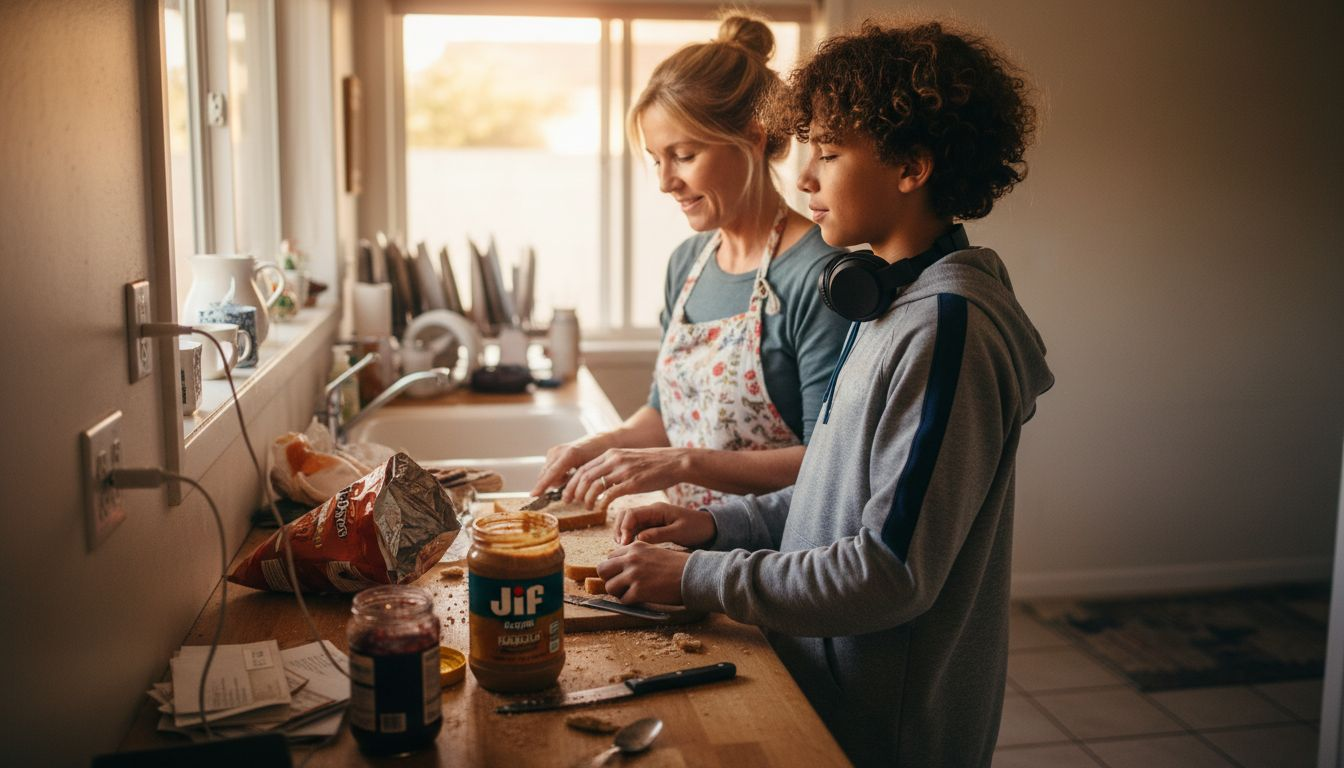
The core components of communication skills for adolescents include active listening, expressing feelings clearly, using non-defensive language, and practicing empathy. Emotional regulation involves recognizing personal emotional states, understanding triggers, and developing strategies to manage intense feelings without escalation. Family dynamics play a significant role in supporting these skills, with cohesive family environments contributing to better emotional management and social responsibility.
Adolescents can develop these skills through targeted practice and guidance. Techniques like deep breathing, mindfulness, reflective journaling, and role-playing communication scenarios can help teenagers learn to navigate complex emotional landscapes. Parents can support this development by modeling effective communication, providing safe spaces for emotional expression, and teaching problem-solving strategies that prioritize understanding over winning arguments.
Pro tip: Create a weekly family communication ritual where each member shares their emotional experiences without judgment, helping teenagers practice articulating feelings and listening empathetically.
Effective Evidence-Based Resolution Strategies
Evidence-based conflict resolution strategies provide structured approaches to help adolescents navigate complex interpersonal challenges more effectively. Research demonstrates that targeted psychological interventions can significantly reduce negative conflict behaviors by teaching problem-solving skills, emotional tolerance, and constructive communication techniques. These approaches focus on developing resilience and promoting healthy interaction patterns among teenagers.
The core components of effective resolution strategies include structured skill-building programs, peer mediation techniques, and social-emotional learning initiatives. Focused psychological interventions emphasize awareness building, negotiation skills, and emotional control. These programs typically integrate practical training in communication, empathy, active listening, and collaborative problem solving, helping adolescents develop nuanced strategies for managing interpersonal tensions.
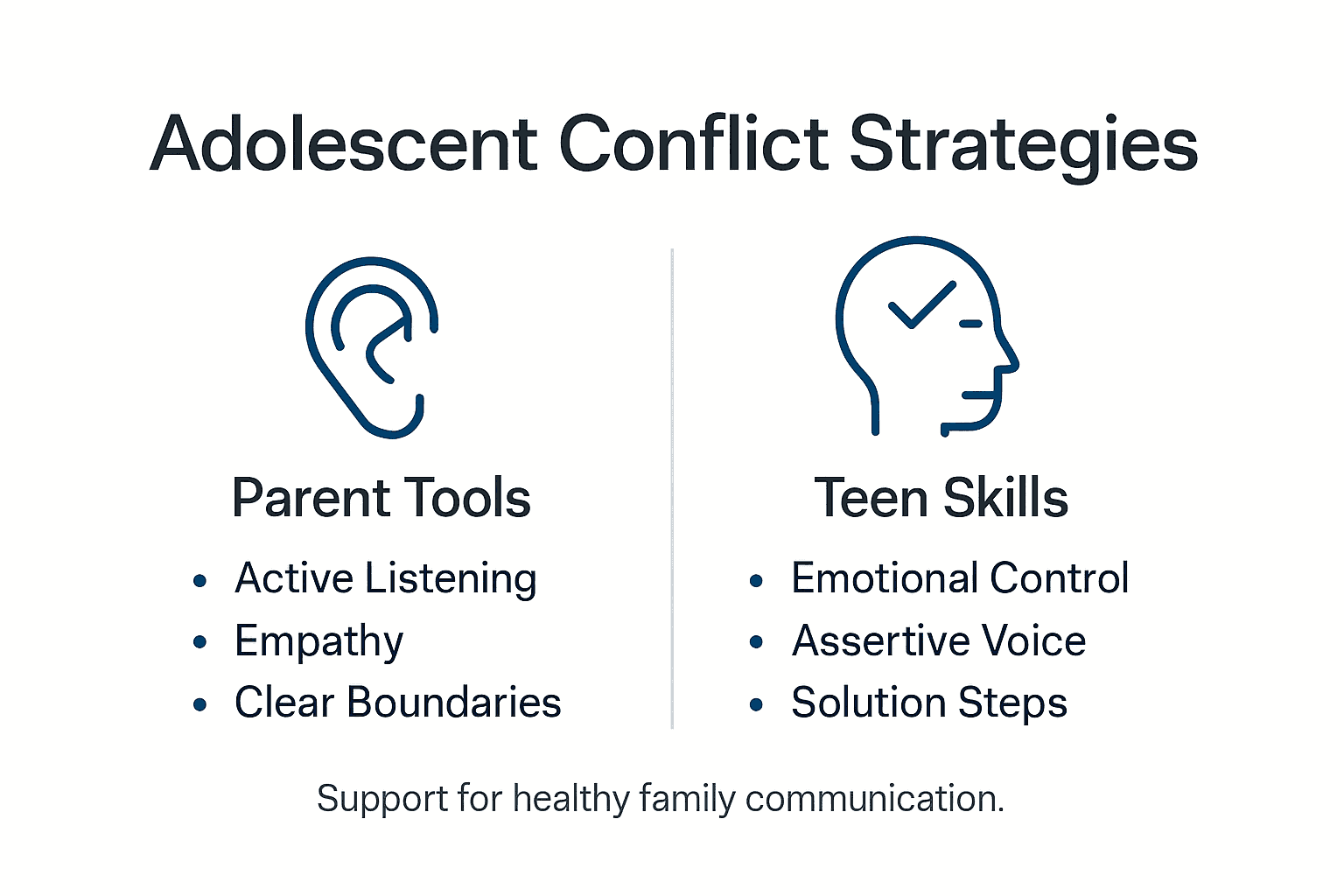
Successful implementation requires a collaborative approach involving parents, educators, and mental health professionals. Key strategies include role-playing scenarios, group discussions, reflective journaling, and structured workshops that provide safe environments for practicing conflict resolution skills. By systematically teaching adolescents how to recognize emotional triggers, communicate effectively, and seek mutually beneficial solutions, these evidence-based approaches transform potential confrontations into opportunities for personal growth and understanding.
Here is a summary of evidence-based strategies and their main benefits for adolescent conflict resolution:
| Strategy | Main Benefit | Who Leads Implementation |
|---|---|---|
| Skill-building programs | Enhanced communication skills | Educators or counselors |
| Peer mediation | Improved empathy and trust | Trained student peers |
| Family workshops | Stronger family relationships | Parents and professionals |
| Individual counseling | Personalized emotional support | Therapists or psychologists |
Pro tip: Create a family conflict resolution toolkit with specific communication scripts and de-escalation techniques that teenagers can reference during challenging interactions.
Common Pitfalls and When to Seek Help
Adolescent conflict resolution presents numerous challenges that can derail healthy communication and relationship dynamics. Common pitfalls in conflict management often include destructive patterns such as emotional avoidance, uncontrolled anger outbursts, and aggressive responses that fundamentally undermine relationship quality. These maladaptive strategies typically emerge from limited emotional awareness and underdeveloped communication skills, making it crucial for parents to recognize and address these patterns early.
Recognizing when professional intervention becomes necessary is critical for preventing long-term relational damage. Research indicates that increased conflict frequency and intensity can significantly deteriorate parent-adolescent emotional connections and overall family well-being. Warning signs that suggest the need for external support include persistent behavioral problems, sustained emotional distress, consistent communication breakdowns, significant academic performance changes, social withdrawal, and signs of depression or anxiety.
Professional interventions such as family counseling, individual therapy, or specialized adolescent conflict resolution programs can provide structured support. These resources offer teenagers and parents evidence-based strategies for improving communication, understanding emotional triggers, and developing healthier conflict resolution skills. Mental health professionals can help families break negative interaction cycles, rebuild trust, and create more supportive, understanding relationships that respect both the teenager’s growing independence and the parents’ guidance.
Pro tip: Schedule periodic family check-ins where each member can discuss concerns openly, creating a safe space for early conflict detection and resolution.
Transform Adolescent Conflicts into Growth Opportunities with Expert Support
Navigating the challenges of adolescent conflict resolution requires more than patience. When emotions run high and communication breaks down, relying on effective strategies like active listening, emotional regulation, and collaborative problem solving becomes essential. If you find yourself struggling with frequent disagreements, autonomy issues, or rising tensions in your family, remember these are common but solvable obstacles.
At Mastering Conflict, we specialize in professional mental health and conflict resolution services designed to empower teens and parents alike. Our proven anger management classes, family counseling, and individualized therapy sessions help transform destructive patterns into healthier communication and stronger bonds. Don’t wait for conflict to damage relationships further. Visit our website now to explore how expert guidance can help your family master these critical skills today.
Frequently Asked Questions
What are effective conflict resolution strategies for adolescents?
Effective conflict resolution strategies for adolescents include active listening, empathy, emotional self-regulation, collaborative problem-solving, and structured skill-building programs. These strategies help teens communicate constructively and manage disputes effectively.
How can parents help their teenagers develop conflict resolution skills?
Parents can help their teenagers develop conflict resolution skills by modeling effective communication, providing safe spaces for emotional expression, and teaching problem-solving strategies that emphasize understanding and collaboration.
When should parents seek professional help for adolescent conflicts?
Parents should consider seeking professional help when conflicts become frequent and intense, resulting in persistent behavioral problems, sustained emotional distress, communication breakdowns, significant changes in academic performance, or signs of depression and anxiety.
What are some common triggers for adolescent conflicts?
Common triggers for adolescent conflicts include issues related to autonomy, academic pressures, social relationships, technology use, personal appearance, and differences in emerging personal values or belief systems.