
Signs of Anger Issues in a Man – Impact and Solutions

Over 70% of American men report feeling frustrated by their own anger at some point, yet most never receive meaningful support. Unmanaged anger creates ripple effects across personal relationships and daily life, often compounding stress for families and communities alike. By understanding the roots and signs of anger issues in men, you can recognize patterns that may need attention and discover practical steps toward healthier emotional responses.
Table of Contents
- Defining Anger Issues In Men
- Common Behavioral And Emotional Signs
- Underlying Causes And Risk Factors
- Impact On Relationships And Daily Life
- When To Seek Professional Help
Key Takeaways
| Point | Details |
|---|---|
| Understanding Anger Issues | Anger issues in men are complex emotional patterns that disrupt relationships and functioning, requiring acknowledgment of deeper psychological mechanisms. |
| Behavioral and Emotional Indicators | Signs of anger problems include frequent aggression, emotional volatility, and significant relationship conflicts, highlighting the need for awareness. |
| Underlying Causes | Key risk factors such as traumatic experiences, neurochemical imbalances, and societal expectations contribute to anger issues, necessitating a compassionate approach to intervention. |
| Seeking Professional Help | Recognizing when anger negatively impacts life is critical; professional support can provide effective strategies for emotional regulation and personal growth. |
Defining Anger Issues in Men
Anger issues in men represent complex emotional patterns characterized by persistent, intense, and inappropriate expressions of rage that significantly disrupt personal relationships and individual functioning. Unlike typical frustration, anger problems manifest through consistent inability to manage emotional responses, often rooted in deeper psychological mechanisms. Through examining men’s anger dynamics, researchers have uncovered nuanced insights into how societal expectations and emotional regulation intersect.
Traditional masculinity constructs frequently contribute to how anger is experienced and expressed. Phenomenological research exploring men’s anger reveals critical themes around control dynamics and rigid perceptions of right versus wrong. These patterns suggest that anger isn’t just an emotional reaction, but a complex interplay between personal experiences, social conditioning, and internal psychological processes.
Identifying anger issues requires understanding several key indicators. Men experiencing persistent anger challenges often demonstrate behaviors such as:
- Frequent verbal or physical aggression
- Difficulty controlling emotional responses
- Persistent feelings of irritation or frustration
- Relationship conflicts stemming from emotional volatility
- Professional or personal performance disruptions due to unmanaged emotional states
Recognizing these signs represents the first crucial step toward effective intervention and personal transformation. Anger doesn’t define a person’s character, but managing it effectively can significantly improve overall life quality and interpersonal relationships.
Common Behavioral and Emotional Signs
Men experiencing anger issues display a complex array of behavioral and emotional indicators that extend beyond momentary frustration. Scientific research on male aggression reveals that these manifestations are often deeply rooted in psychological patterns involving self-esteem, emotion regulation, and personal attitudes toward conflict.
Emotional signs of anger problems frequently include intense and disproportionate reactions to seemingly minor triggers. These men might experience rapid mood shifts, persistent irritability, and a pervasive sense of being misunderstood or challenged. Studies examining maritally violent men highlight the critical distinction between generalized anger and targeted hostility, demonstrating that emotional responses can vary significantly based on individual psychological contexts.
Behavioral manifestations of anger issues often present through multiple observable patterns:
- Frequent verbal confrontations or arguments
- Physical intimidation or aggressive gestures
- Difficulty maintaining professional or personal relationships
- Impulsive decision-making driven by emotional reactivity
- Tendency to blame others for personal challenges
- Suppressing emotional vulnerability
- Experiencing significant challenges with emotional self-regulation
Understanding these signs represents a crucial first step in addressing underlying emotional dynamics. Recognizing that anger is a complex emotional experience allows individuals to approach personal growth with compassion and strategic intervention, ultimately fostering healthier emotional landscapes and more meaningful interpersonal connections.
Underlying Causes and Risk Factors
Anger issues in men emerge from a complex interplay of psychological, environmental, and neurological factors that extend far beyond simple emotional reactivity. National survey research reveals that inappropriate or intense anger affects approximately 7.8% of the population, with significantly higher prevalence among men, suggesting deep-rooted systemic influences on emotional regulation.
Psychological studies on attachment dynamics demonstrate that early relationship experiences profoundly impact anger expression. Insecure attachment styles during childhood can create fundamental emotional disruptions, leading to maladaptive coping mechanisms and heightened emotional volatility in adulthood.
Key risk factors contributing to anger issues include:
- Traumatic childhood experiences
- Exposure to domestic violence or aggressive family environments
- Unresolved personal psychological traumas
- Neurochemical imbalances affecting emotional regulation
- Chronic stress and unmanaged professional pressures
- Limited emotional intelligence and communication skills
- Societal expectations of masculine emotional suppression
Understanding these underlying causes requires a nuanced approach that recognizes anger as a complex emotional response shaped by multiple intersecting personal and environmental factors. Effective intervention involves compassionate exploration of individual experiences, challenging ingrained behavioral patterns, and developing healthier emotional management strategies.
Impact on Relationships and Daily Life
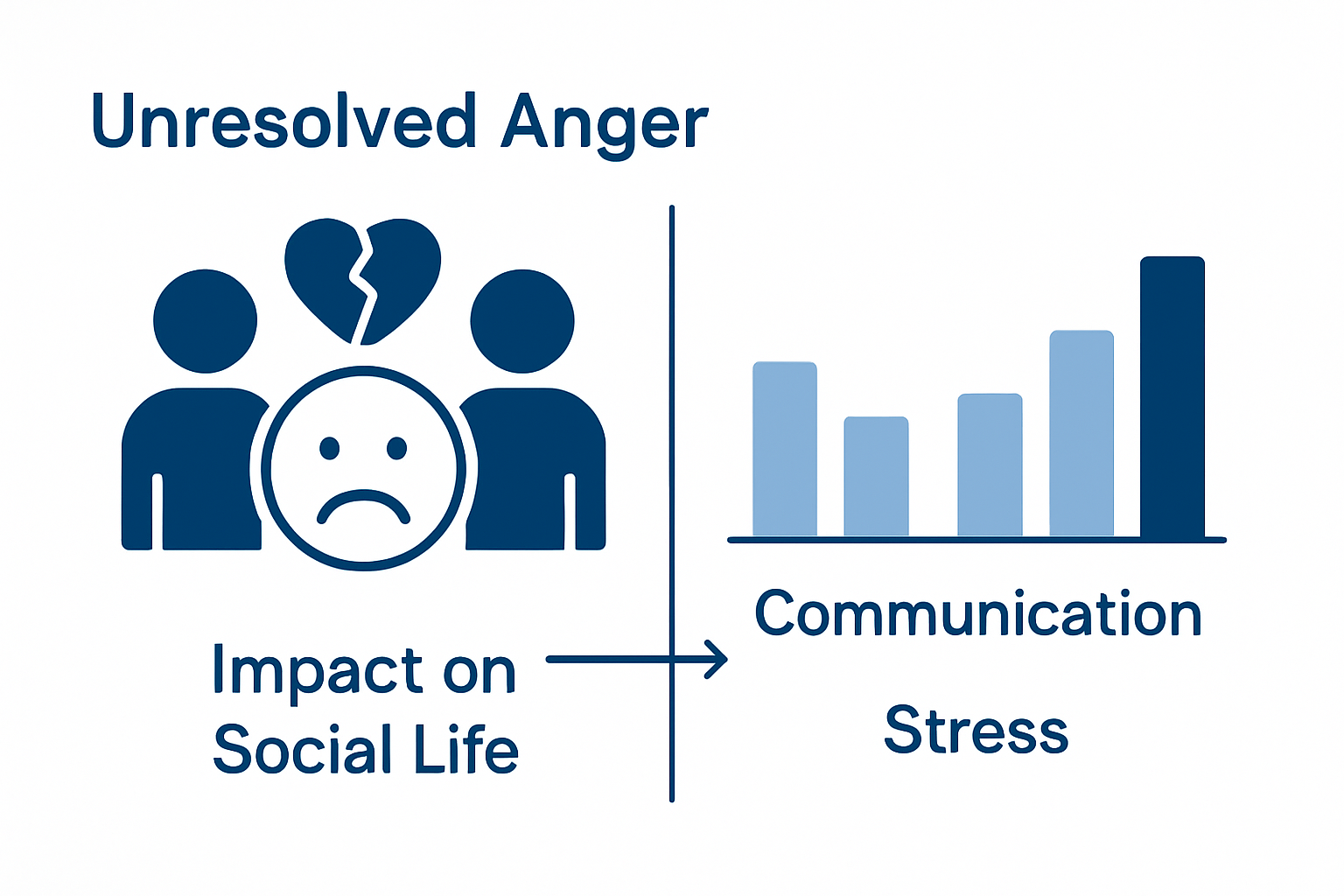
Anger issues profoundly disrupt personal connections and professional functionality, creating ripple effects that extend far beyond momentary emotional outbursts. Research exploring male aggression patterns highlights the complex ways unmanaged anger can systematically erode trust, communication, and interpersonal dynamics across multiple life domains.

Marital studies examining anger and hostility reveal that persistent emotional volatility can fundamentally damage relationship foundations. Men struggling with anger problems often experience significant challenges in maintaining healthy romantic partnerships, workplace relationships, and familial connections. These disruptions manifest through repeated communication breakdowns, emotional distancing, and escalating conflict patterns.
Specific relationship and daily life impacts include:
- Increased likelihood of relationship dissolution
- Reduced professional performance and career advancement
- Heightened risk of social isolation
- Compromised parental and familial interactions
- Potential legal consequences from uncontrolled aggressive behaviors
- Diminished personal support networks
- Chronic stress and associated health complications
Recognizing these widespread consequences underscores the critical importance of developing emotional regulation skills. Addressing anger issues requires a comprehensive approach that acknowledges the interconnected nature of personal emotional health and broader life functioning, ultimately promoting more meaningful and stable interpersonal relationships.
When to Seek Professional Help
National survey research reveals that inappropriate anger affects 7.8% of the population, highlighting the critical importance of recognizing when professional intervention becomes necessary. Understanding the specific indicators that signal a need for professional support can help men address emotional challenges before they escalate into more serious psychological or interpersonal problems.
Professional help becomes crucial when anger consistently interferes with personal relationships, professional performance, or individual well-being. Men experiencing persistent emotional volatility may find themselves struggling to maintain healthy connections, control aggressive impulses, or effectively communicate their underlying emotional needs. Specialized anger management professionals can provide targeted strategies for emotional regulation and personal growth.
Key indicators suggesting the need for professional intervention include:
- Frequent physical confrontations or threats of violence
- Consistent pattern of verbal aggression
- Relationship breakdowns due to uncontrolled emotional responses
- Experiencing legal consequences related to anger
- Difficulty maintaining employment due to emotional volatility
- Persistent feelings of irritation or unexplained rage
- Self-awareness that anger is negatively impacting life quality
- Inability to implement self-management strategies
Recognizing the need for help represents a profound act of personal strength. Professional support offers a compassionate pathway to understanding underlying emotional dynamics, developing healthier coping mechanisms, and ultimately creating more meaningful and balanced personal interactions.
Take Control of Anger Issues and Rebuild Your Life
Struggling with persistent anger that disrupts your relationships and daily life can feel overwhelming. This article highlights key signs of anger problems including frequent aggression, emotional volatility, and the deep impact on personal and professional connections. If you or someone you care about recognizes these challenges, it is essential to act now to prevent further consequences.
At Mastering Conflict, we provide specialized anger management services tailored to men facing these exact struggles. Our evidence-based approach includes anger management classes, individualized therapy, and coaching programs designed to develop healthier emotional regulation and rebuild trust in relationships. Don’t wait until anger controls your life. Visit Mastering Conflict today to explore how professional support can empower your personal growth and improve your connections. The right help is available and just a click away.
Frequently Asked Questions
What are the common signs of anger issues in men?
Common signs of anger issues in men include frequent verbal or physical aggression, persistent feelings of irritation or frustration, difficulty controlling emotional responses, and relationship conflicts stemming from emotional volatility.
How do anger issues impact personal relationships?
Anger issues can profoundly disrupt personal relationships by creating communication breakdowns, emotional distancing, and escalating conflict patterns. This can lead to increased likelihood of relationship dissolution and social isolation.
When should a man seek professional help for anger issues?
A man should seek professional help when his anger consistently interferes with personal relationships, professional performance, or well-being. Key indicators include frequent physical confrontations, legal issues related to anger, and persistent feelings of rage.
What are some effective solutions for managing anger issues?
Effective solutions for managing anger issues include seeking professional support from anger management professionals, developing emotional regulation skills, recognizing underlying causes, and implementing self-management strategies to foster healthier emotional responses.