
How to Give Constructive Feedback for Positive Change

Most American workplaces see feedback as a necessary process, yet only about 21 percent of employees believe it actually helps them improve. Constructive feedback is not just about pointing out what went wrong. It builds trust, boosts engagement, and supports long-term development when delivered with purpose and care. This step-by-step guide reveals practical ways to offer feedback that motivates, strengthens relationships, and encourages real growth.
Table of Contents
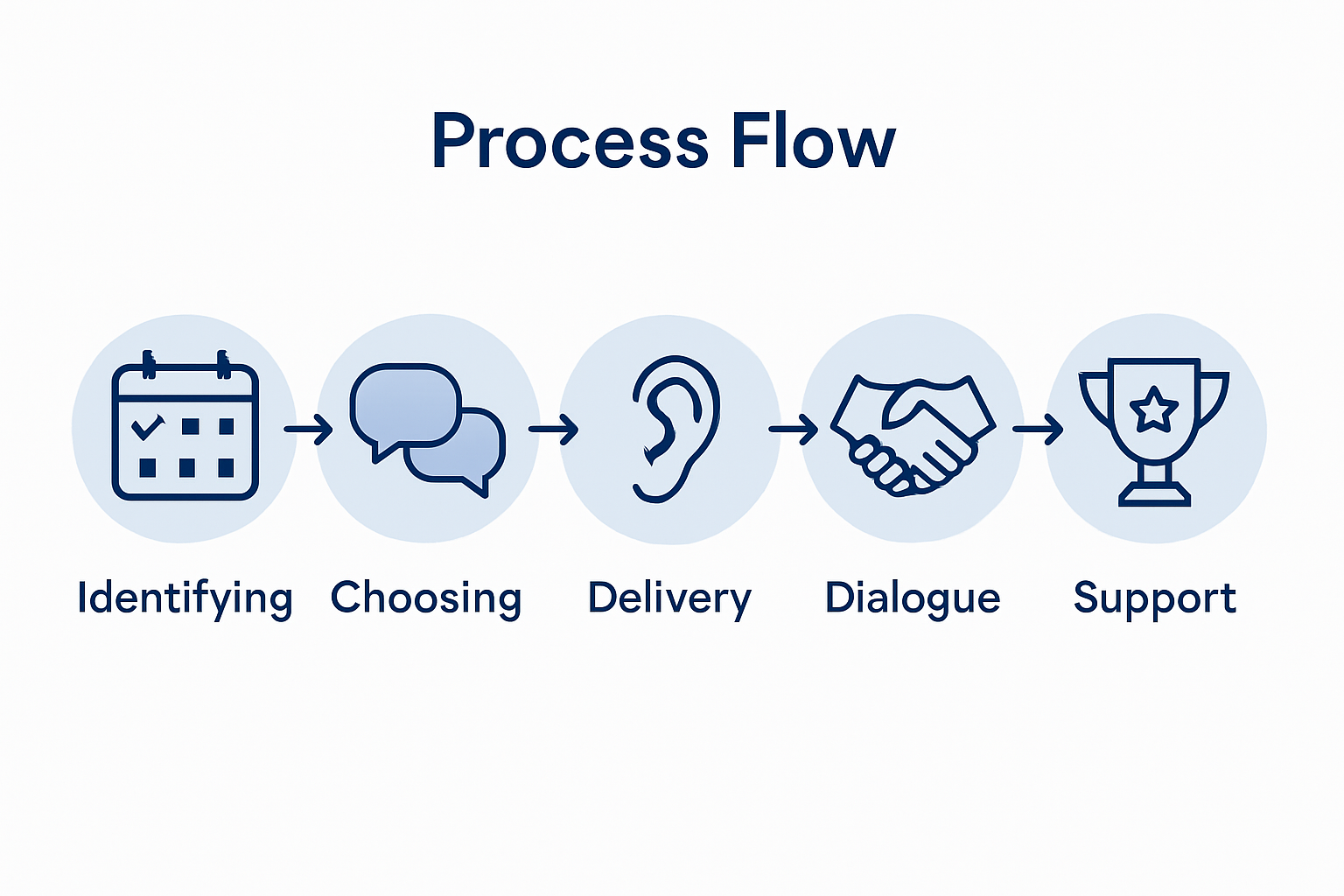
- Step 1: Identify The Purpose And Context
- Step 2: Choose The Right Time And Setting
- Step 3: Deliver Feedback Clearly And Respectfully
- Step 4: Encourage Dialogue And Listen Actively
- Step 5: Follow Up And Support Ongoing Growth
Quick Overview
| Main Insight | Explanation |
|---|---|
| 1. Define Purpose Before Feedback | Clearly understand your motives and the context to ensure constructive communication. It sets the stage for effective discussions. |
| 2. Choose Appropriate Timing and Space | Select a private and calm environment where the person feels safe to engage, ensuring a more productive feedback session. |
| 3. Deliver Feedback with Clarity and Respect | Be direct but supportive, using specific examples and a calm tone to foster understanding without creating defensiveness. |
| 4. Encourage Dialogue Through Active Listening | Engage in open-ended questions and listen attentively to create a collaborative environment that respects everyone’s perspectives. |
| 5. Follow Up to Support Continuous Growth | Establish ongoing conversation and check-ins to provide continued support, making feedback an integral part of their development journey. }} |
Step 1: Identify the Purpose and Context
Constructive feedback begins with understanding the specific environment and objectives behind your communication. Before delivering any critique, you need to clearly define why you are providing feedback and what context surrounds the situation.
Successful feedback requires more than just good intentions. Communication is a two-way street where both the giver and receiver must be prepared. This means evaluating not just what you want to say, but when and how you will say it. Ask yourself key questions like: What is my primary goal? Will this feedback help the person improve? Am I addressing a specific behavior or performance issue?
The most powerful feedback is context-specific and purposeful. It should be tailored to the individual, their current emotional state, and the specific situation. Consider timing carefully. Delivering feedback when someone is stressed, defensive, or unprepared will likely result in resistance rather than growth. Choose a moment when the person is receptive, calm, and able to engage constructively with your observations.
A quick pro tip: Always frame feedback as an opportunity for mutual understanding and development, not as criticism. Your goal is to support the person’s growth, not make them feel attacked or diminished.
Step 2: Choose the Right Time and Setting
Picking the optimal moment and location for providing feedback can dramatically influence how your message is received and processed. The environment and timing are just as crucial as the content of your feedback itself.
Selecting a private and comfortable setting dramatically increases the chances of a productive conversation. Avoid crowded spaces or locations where others might overhear. Your goal is to create an atmosphere of trust and openness where the person feels safe exploring areas of potential improvement. An informal setting can make the feedback feel less threatening, so consider alternatives to a rigid office meeting. A quiet coffee shop, a brief walk, or a relaxed corner of the workplace can help put the recipient at ease.
Timing matters immensely. Avoid moments when either you or the recipient are stressed, tired, or preoccupied with other urgent matters. Schedule your conversation when you both have adequate time to discuss the feedback thoroughly and when emotional bandwidth is available for constructive dialogue. Quick pro tip: Always schedule feedback conversations in advance, giving the other person a chance to mentally prepare and demonstrating respect for their emotional state.
Step 3: Deliver Feedback Clearly and Respectfully
Delivering effective feedback requires a delicate balance of honesty, empathy, and precision. Your goal is to communicate insights that help the person grow without undermining their confidence or creating defensiveness.

Being direct while maintaining respect is the cornerstone of constructive communication. Get to the point quickly, but frame your observations in a way that feels supportive rather than critical. Avoid vague statements like ‘you need to improve’ and instead provide specific, observable examples of behaviors or outcomes. For instance, instead of saying ‘You seem unprepared,’ you might say ‘During the last two presentations, I noticed you were reading directly from slides, which reduced your engagement with the audience.’
When sharing feedback, use a balanced approach that acknowledges both strengths and areas for development. Start with positive observations to create a receptive environment, then transition to constructive suggestions. Speak in a calm, neutral tone and use ‘I’ statements that describe your perspective without sounding accusatory. For example, ‘I noticed’ or ‘In my observation’ helps the listener feel less defensive. Quick pro tip: Practice active listening during the conversation. Allow the other person space to respond, ask questions, and share their perspective. This transforms feedback from a one way critique into a collaborative growth opportunity.
Step 4: Encourage Dialogue and Listen Actively
Transforming feedback from a one-sided conversation to a collaborative exchange requires intentional listening and genuine openness. Your goal is to create an environment where both parties feel heard, respected, and invested in mutual growth.
Creating a feedback-rich environment starts with reducing defensiveness and building psychological safety. When people feel less worried about how they are perceived, they become more receptive to constructive input. This means approaching the conversation with curiosity rather than judgment. Ask open-ended questions that invite the other person to share their perspective. For instance, ‘What challenges did you encounter?’ or ‘How do you see your performance in this area?’
Active listening goes beyond simply hearing words. It involves fully concentrating on what the other person is saying, understanding their underlying emotions, and responding with empathy. Effective feedback frameworks emphasize the importance of creating a two-way dialogue. Avoid interrupting, show nonverbal signals of engagement like maintaining eye contact, and periodically summarize what you’ve heard to confirm understanding. Quick pro tip: Pause and reflect before responding. This demonstrates that you are genuinely processing their input and not just waiting to make your next point.
Step 5: Follow Up and Support Ongoing Growth
The feedback conversation is not a one-time event but the beginning of a continuous improvement journey. Your role shifts from delivering insights to becoming a supportive partner in the person’s development process.
Performance improvement is more complex than simply providing feedback. Research shows that feedback alone rarely produces significant change. Instead, create a structured follow-up plan that breaks down improvement goals into manageable steps. Choose one meaningful area for improvement to maintain clarity and focus. This approach prevents overwhelming the person and increases the likelihood of meaningful progress.
Schedule regular check-in meetings to discuss progress, provide additional support, and acknowledge small victories. These conversations should feel collaborative rather than evaluative. Be prepared to offer resources, additional training, or mentorship that can help the person develop the skills they need. Quick pro tip: Document your conversations and agreed-upon goals, but keep the documentation informal and supportive. The goal is to create a sense of partnership and mutual investment in their growth, not to build a case file.
Enhance Your Ability to Give Constructive Feedback with Expert Support
Giving feedback that truly fosters positive change can feel overwhelming. The challenge often lies in choosing the right time and setting, delivering your message clearly and respectfully, and encouraging open dialogue without triggering defensiveness. If you find yourself struggling with these key areas or want to strengthen your communication skills for personal or professional growth, you are not alone.
At Mastering Conflict, we specialize in mental health and conflict resolution strategies tailored for individuals, couples, and families who want meaningful change. Our coaching programs and counseling services offer proven tools to help you master difficult conversations, manage emotional triggers, and create healthier relationships based on mutual understanding. Don’t wait to build the confidence and skills you need for ongoing success. Explore our therapy options and discover how expert guidance can transform your approach to feedback and growth.
Frequently Asked Questions
How can I identify the right context for giving constructive feedback?
Understanding the specific environment and objectives behind your communication is essential. Before delivering feedback, ask yourself what your primary goal is and whether your feedback will help the individual improve.
What is the best way to choose a time and setting for providing feedback?
Opt for a private and comfortable setting to encourage a productive discussion. Schedule the conversation when both you and the recipient have adequate emotional bandwidth to engage meaningfully, avoiding times of stress or preoccupation.
How do I deliver feedback clearly and respectfully?
Be direct while maintaining a respectful tone to communicate insights effectively. Start with positive observations and provide specific examples of behavior that may need improvement, ensuring you use “I” statements to minimize defensiveness.
How can I encourage dialogue during feedback conversations?
Foster a two-way exchange by asking open-ended questions that invite the other person to share their perspective. Practice active listening by summarizing their points to confirm understanding and show that you value their input.
What steps should I take to support ongoing growth after giving feedback?
Establish a structured follow-up plan that focuses on one specific area for improvement to avoid overwhelming the person. Schedule regular check-in meetings to discuss progress, offer support, and celebrate small victories in their development journey.
Recommended
- How to deal with Traits you don’t like in your Partner
- Anger Management Exercises And Relaxation Techniques
- 7 Benefits of Daily Affirmations for Anger and Conflict – Mastering Conflict
- How to manage change in your relationship – Mastering Conflict
- How Cognitive Restructuring Helps Reframe Unhealthy Eating Habits? – LeanAndFit