Family Conflict Resolution Services: Transforming Relationships

Every American family faces moments when communication breaks down and emotions run high. In fact, more than 65 percent of conflicts within families remain unresolved without structured support. Conflict can threaten even the strongest family bonds, making it tough to reconnect and move forward. Discover how professional family conflict resolution services can offer practical guidance and proven strategies that empower families to rebuild trust and nurture healthier relationships.
Table of Contents
- Defining Family Conflict Resolution Services
- Types of Services Offered for Families
- How Resolution Methods Work in Practice
- Roles of Therapists, Mediators, and Coaches
- Common Mistakes and How to Avoid Them
Key Takeaways
| Point | Details |
|---|---|
| Family Conflict Resolution Services | These services provide structured interventions to enhance communication and resolve disputes among family members, fostering a supportive environment. |
| Diverse Therapeutic Techniques | Multiple approaches, such as mediation and communication skills training, are employed to address the unique dynamics of each family. |
| Roles of Professionals | Therapists, mediators, and coaches each play distinct roles to facilitate healing and improve family communication effectively. |
| Avoiding Common Mistakes | Families must be aware of defensive communication and emotional mismanagement to cultivate healthier relational dynamics. |
Defining Family Conflict Resolution Services
Family conflict resolution services represent specialized professional interventions designed to help families navigate complex interpersonal challenges and rebuild constructive communication pathways. These services encompass a structured approach to addressing relationship tensions, communication breakdowns, and emotional conflicts that can fragment familial connections. The core objective is to create a supportive environment where family members can express their perspectives, understand each other’s experiences, and develop collaborative strategies for resolving disputes.
At their foundation, these services integrate multiple therapeutic techniques to address diverse family dynamics. Professionals utilize approaches ranging from interpersonal conflict resolution strategies that consider cultural nuances to evidence-based communication models. The International Centre for Settlement of Investment Disputes highlights the importance of providing culturally sensitive solutions that prevent stress escalation and promote timely, practical outcomes. This means counselors and therapists adapt their methodologies to each family’s unique context, recognizing that no single approach works universally.
Typical family conflict resolution services include comprehensive interventions such as:
- Mediation sessions where neutral professionals guide family discussions
- Communication skills training to improve dialogue and understanding
- Individual and group counseling targeting specific relationship dynamics
- Trauma-informed therapeutic approaches for families experiencing complex emotional challenges
- Anger management workshops designed to help family members regulate emotional responses
The ultimate goal of these services extends beyond simply resolving immediate conflicts. Mental health professionals aim to equip families with sustainable communication tools, emotional intelligence skills, and conflict management strategies that can transform long-term relationship patterns. By addressing underlying communication barriers and teaching constructive interaction methods, family conflict resolution services help families rebuild trust, enhance mutual understanding, and create healthier, more resilient relational frameworks.
Types of Services Offered for Families
Family conflict resolution services encompass a wide range of therapeutic interventions designed to address complex relational challenges and promote healthier family dynamics. These services are tailored to meet the unique needs of different family structures, recognizing that each family system requires a nuanced and personalized approach to healing and communication.
One foundational service approach is Parent Effectiveness Training (P.E.T.), a program that emphasizes democratic and collaborative relationships between parents and children. This model teaches families how to resolve conflicts without punitive discipline, focusing on communication strategies where both parents and children can effectively meet their emotional and interpersonal needs. By teaching active listening, empathy, and negotiation skills, P.E.T. helps families develop more supportive and understanding relationships.
Typical family conflict resolution services include:
- Individual Family Counseling: One-on-one therapeutic sessions addressing personal emotional challenges
- Group Family Therapy: Sessions involving multiple family members to address collective relationship dynamics
- Couples and Marital Counseling: Specialized interventions focusing on partnership communication and conflict resolution
- Child and Adolescent Therapy: Age-specific counseling addressing developmental and emotional challenges
- Anger Management Programs: Structured interventions helping family members regulate emotional responses
- Communication Skills Workshops: Training sessions designed to improve interpersonal dialogue and understanding
These services are strategically designed to provide comprehensive support across different family contexts. Mental health professionals utilize evidence-based techniques to help families develop resilient communication patterns, emotional intelligence, and constructive conflict resolution skills. The ultimate goal is not just to resolve immediate conflicts but to transform long-term relationship dynamics, fostering environments of mutual respect, understanding, and emotional safety.
How Resolution Methods Work in Practice
Family conflict resolution methods operate through sophisticated, multi-layered approaches that transform challenging interpersonal dynamics into opportunities for growth and understanding. These methods are not about winning or losing, but creating collaborative pathways where all family members can feel heard, validated, and supported in addressing their unique emotional needs and perspectives.
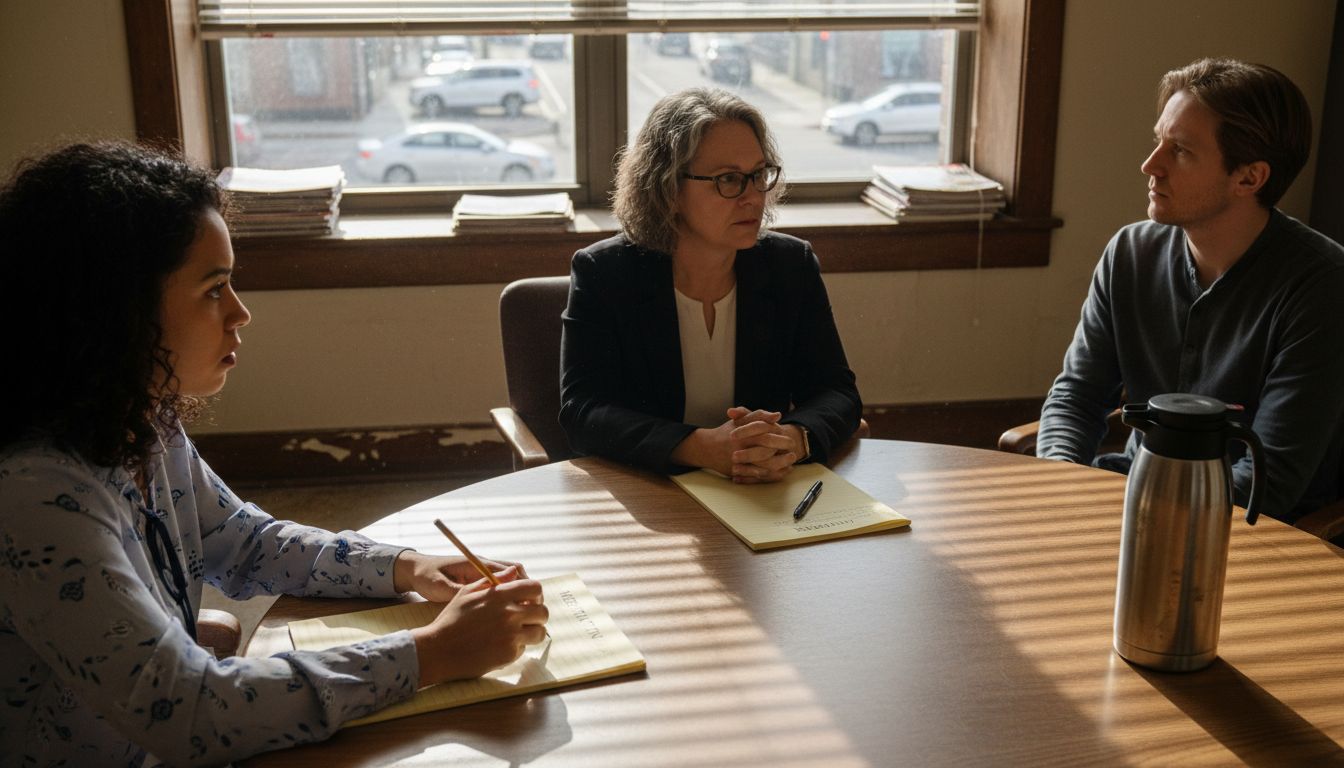
Conflict resolution simulations represent an innovative approach to helping families practice and improve their communication strategies. By allowing participants to rehearse conflicts with simulated interlocutors, families can explore alternative conversational paths and receive immediate feedback on their interaction patterns. This approach enables individuals to understand different communication styles, recognize potential triggers, and develop more constructive response mechanisms before applying these skills in real-world family interactions.
Key practical resolution methods include:
- Active Listening Techniques: Encouraging family members to fully hear and understand each other’s perspectives without interruption
- Mediation Sessions: Neutral third-party facilitated discussions that create safe spaces for conflict exploration
- Structured Dialogue Frameworks: Systematic approaches that help families communicate their feelings and needs systematically
- Emotional Mapping: Identifying underlying emotional triggers and patterns that contribute to recurring conflicts
- Role-Playing Exercises: Allowing family members to experience situations from different perspectives
Moreover, professional conflict resolution services often integrate multiple methodological approaches. Lawyer-supported mediation represents another sophisticated technique where legal professionals collaborate with mediators to ensure that family discussions result in legally sound and mutually agreeable resolutions. This approach combines emotional intelligence with legal expertise, helping families navigate complex relational and procedural challenges while maintaining a focus on collaborative problem-solving and mutual respect.
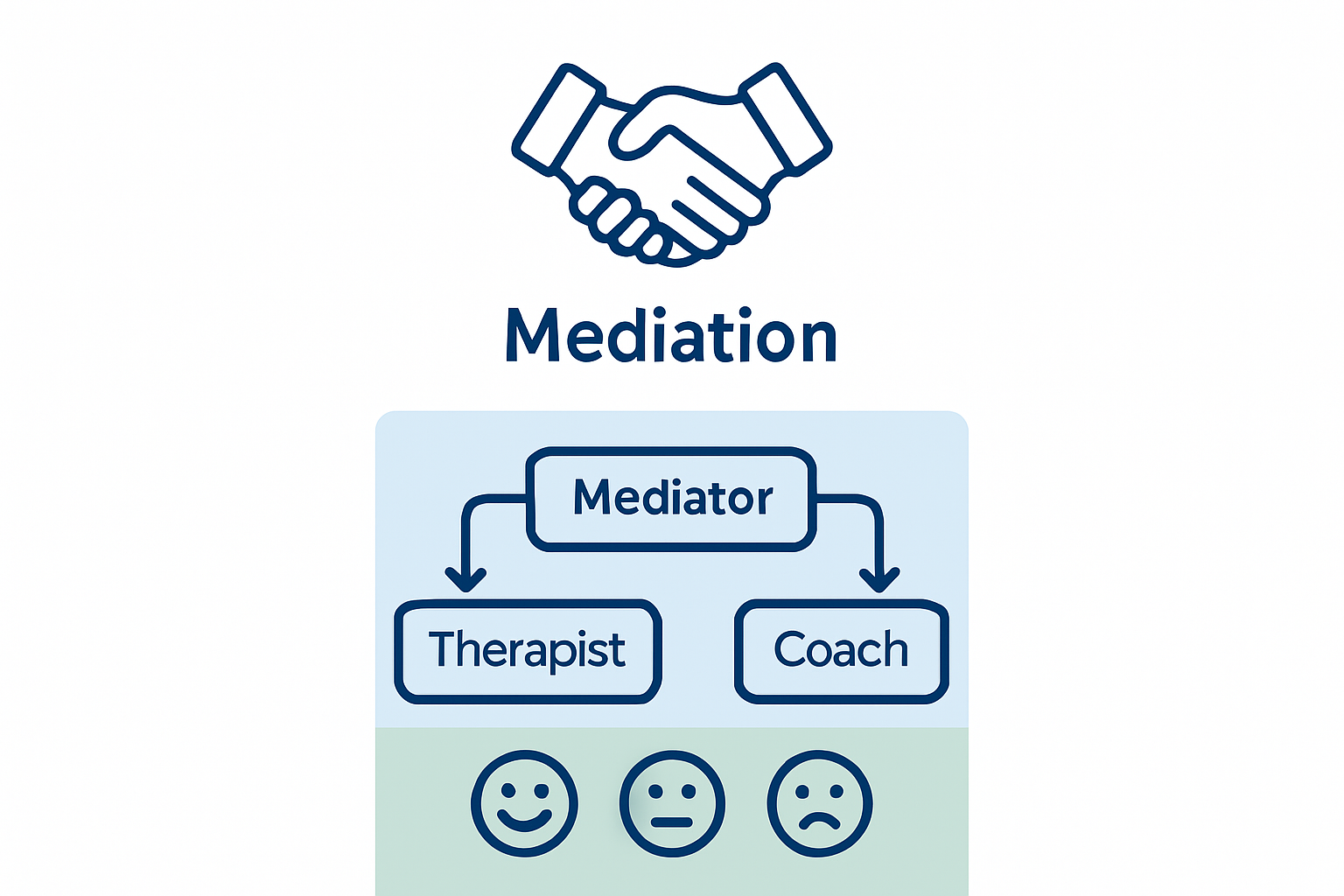
Roles of Therapists, Mediators, and Coaches
Family conflict resolution professionals play distinct yet interconnected roles in supporting families through complex emotional landscapes. Each professional brings unique skills, perspectives, and methodological approaches designed to address relational challenges from different strategic angles, ultimately working toward holistic family healing and improved communication.
Therapists specialize in deep psychological exploration, helping individuals and families unpack underlying emotional patterns, trauma responses, and intricate relational dynamics. Intergroup dialogue techniques inform their approach, emphasizing personal storytelling, empathetic listening, and interpersonal inquiry to build meaningful connections and foster mutual understanding across different social and emotional identities.
Key professional roles include:
- Therapists: Clinical professionals providing in-depth psychological assessment and treatment
- Focus on emotional healing
- Address mental health challenges
- Explore deep-rooted psychological patterns
- Mediators: Neutral third-party facilitators
- Create safe communication environments
- Help families negotiate conflicts
- Develop collaborative resolution strategies
- Coaches: Solution-oriented professionals
- Provide practical communication skills
- Develop actionable personal development plans
- Support behavioral and relational transformations
Each professional approaches family conflict through a unique lens, combining clinical expertise, emotional intelligence, and strategic communication skills. Their collaborative efforts aim to transform familial relationships by addressing psychological, emotional, and practical dimensions of interpersonal challenges, ultimately helping families develop more resilient, compassionate, and effective communication strategies.
Common Mistakes and How to Avoid Them
Family conflict resolution is a delicate process fraught with potential pitfalls that can inadvertently escalate tensions rather than promote healing. Understanding these common mistakes is crucial for families seeking to transform their relational dynamics and create more supportive, communicative environments.
Homework interaction research reveals significant emotional complexities that can trigger unproductive conflict patterns. These studies highlight how seemingly mundane interactions, such as homework assistance, can become battlegrounds of emotional miscommunication, demonstrating the nuanced nature of family dynamics and the importance of intentional, thoughtful communication strategies.
Common mistakes families often encounter include:
- Defensive Communication
- Responding with criticism instead of empathy
- Interrupting before fully understanding others’ perspectives
- Using accusatory language that triggers emotional shutdown
- Unproductive Conflict Patterns
- Avoiding difficult conversations
- Focusing on winning arguments rather than understanding
- Repeating same ineffective communication strategies
- Emotional Mismanagement
- Suppressing genuine feelings
- Allowing unresolved past conflicts to contaminate current interactions
- Failing to establish healthy emotional boundaries
Successful conflict resolution requires families to develop cognitive flexibility and emotional intelligence. By recognizing these common mistakes and proactively developing more constructive communication approaches, families can create more resilient, understanding, and supportive relational environments. The key is consistent practice, mutual respect, and a genuine commitment to understanding each other’s emotional experiences and perspectives.
Take Control of Family Conflicts with Expert Support
Family conflicts can create emotional stress and break the bonds that once connected you. If you find yourself caught in repetitive negative patterns like defensive communication or unproductive arguments, it is time to seek tailored solutions that rebuild trust and promote healthy dialogue. Our services at Mastering Conflict specialize in providing structured family counseling, anger management, and coaching programs designed to transform your relationships through evidence-based methods and practical communication skills.
Begin your journey to stronger family connections today by exploring our online family counseling and individualized therapy options. With guidance from licensed professionals including Dr. Carlos Todd, you will learn to navigate emotional triggers, practice active listening, and develop lasting conflict resolution strategies. Don’t let unresolved conflicts continue to harm your family dynamic. Visit Mastering Conflict now and secure the support you need to transform your family’s future.
Frequently Asked Questions
What are family conflict resolution services?
Family conflict resolution services are specialized interventions designed to help families address interpersonal challenges, improve communication, and resolve emotional conflicts. They aim to create a supportive environment for family members to express their perspectives and develop constructive strategies for resolution.
How do mediation sessions work in family conflict resolution?
Mediation sessions involve neutral professionals guiding family discussions to create a safe space for conflict exploration. Mediation focuses on collaborative problem-solving, allowing family members to express their concerns while working toward mutually agreeable solutions.
What techniques are commonly used in family conflict resolution?
Common techniques include active listening, structured dialogue frameworks, emotional mapping, role-playing exercises, and mediation. These methods encourage open communication and help family members understand each other’s perspectives, fostering healthier interactions.
What are the roles of therapists, mediators, and coaches in family conflict resolution?
Therapists provide psychological support and address emotional patterns. Mediators facilitate discussions and help negotiate resolutions, while coaches offer practical skills and development plans for improving communication and behavior within the family.