
How Long Are Anger Management Classes: What to Expect

Over 20 million Americans struggle with anger issues that impact their relationships, work, and daily life. When anger turns disruptive, finding effective support becomes essential for emotional well-being. Anger management classes offer clear, practical tools that help American adults not only understand their triggers but also practice healthier responses, transforming conflict into constructive solutions.
Table of Contents
- Anger Management Classes Explained Clearly
- Types of Anger Management Programs Available
- Typical Duration and Session Frequency
- Legal and Court-Ordered Class Requirements
- Factors Affecting Program Length and Completion
Key Takeaways
| Point | Details |
|---|---|
| Understanding Anger Management Classes | These are structured programs aimed at helping individuals manage anger through emotional regulation and coping strategies. |
| Types of Programs Available | Various approaches cater to different needs, including group therapy, individual counseling, and online classes. |
| Program Duration | Classes can range from 4 to 52 weeks, depending on intensity and individual requirements. |
| Legal Requirements for Court-Ordered Classes | Participants must attend all sessions, provide documentation, and undergo assessments to comply with court mandates. |
Anger Management Classes Explained Clearly
Anger management classes are structured psychotherapeutic programs designed to help individuals understand, control, and effectively regulate their emotional responses. Comprehensive anger management programs teach participants critical skills for recognizing anger triggers, developing healthy coping strategies, and preventing destructive emotional reactions.
These specialized classes typically involve group or individual sessions where trained professionals guide participants through evidence-based techniques. Emotional regulation becomes the core focus, helping individuals transform potentially harmful anger responses into constructive communication and problem-solving skills. Structured anger management curricula often incorporate multiple learning approaches, including:
- Interactive discussions about emotional patterns
- Cognitive behavioral techniques
- Relaxation and stress management exercises
- Role-playing scenarios to practice alternative responses
- Personal reflection and self-awareness activities
Participants learn practical strategies for managing intense emotions, understanding underlying psychological mechanisms, and developing healthier interpersonal communication methods. By providing a supportive environment, these classes enable individuals to gain deeper insights into their emotional reactions and acquire tangible skills for more balanced, controlled interactions in personal and professional settings.
Types of Anger Management Programs Available
Anger management programs are designed to address emotional regulation through diverse approaches tailored to individual needs and contexts. Aggression Replacement Training (ART) represents one specialized approach that focuses on comprehensive behavioral intervention, particularly effective for adolescents struggling with emotional control and interpersonal challenges.
These programs typically fall into several distinct categories, each targeting specific populations and therapeutic objectives:
- Group Therapy Programs: Structured sessions with multiple participants
- Individual Counseling: One-on-one therapeutic interventions
- Online Anger Management Classes: Virtual learning platforms
- Court-Mandated Programs: Legal system-referred interventions
- Workplace Anger Management Training: Professional development focused courses
Each program type offers unique benefits, with some emphasizing cognitive behavioral techniques, while others concentrate on communication skills, stress management, and emotional intelligence. Anger management classes near me can provide localized options that match individual learning preferences and specific therapeutic requirements, ensuring participants receive targeted support for developing healthier emotional responses and interpersonal strategies.

Typical Duration and Session Frequency
Anger management programs are highly customizable, with session lengths and frequencies designed to accommodate individual therapeutic needs. Typically, programs span approximately 10 weeks, with participants attending weekly sessions that provide structured opportunities for emotional skill development and behavioral modification.
The structure of anger management classes can vary significantly based on several critical factors:
- Intensity Level:
- Low-intensity programs: 4-8 weeks
- Standard programs: 10-12 weeks
- Comprehensive interventions: Up to 52 weeks
- Session Duration:
- Group sessions: 60-90 minutes
- Individual counseling: 45-60 minutes
- Frequency Options:
- Weekly sessions
- Bi-weekly meetings
- Intensive daily programs for urgent situations
While standard programs follow a consistent framework, mental health professionals recognize that healing and emotional regulation are deeply personal journeys. Some individuals might require shorter, more concentrated interventions, while others benefit from extended, gradual therapeutic approaches. The ultimate goal remains consistent: empowering participants with sustainable strategies for managing anger, improving communication, and developing healthier emotional responses.
Legal and Court-Ordered Class Requirements
Court-ordered anger management classes represent a critical intervention mechanism within the legal system, designed to address behavioral issues and promote personal accountability. Anger management classes near me can help individuals navigate the complex legal requirements associated with mandated counseling programs.
Legal requirements for court-ordered anger management programs typically involve several key components:
- Mandatory Attendance: Complete 100% of assigned sessions
- Documentation: Provide proof of class completion to the court
- Assessment: Initial and final behavioral evaluations
- Compliance Reporting: Regular progress updates to probation officers
- Duration: Programs ranging from 8 to 26 weeks, depending on judicial recommendation
Participants must understand that court-mandated classes are not punitive measures, but structured interventions aimed at developing emotional regulation skills and preventing future behavioral incidents. Failure to comply with court-ordered requirements can result in additional legal consequences, including potential probation violations, extended court supervision, or more severe penalties. The primary goal remains supporting individuals in making positive behavioral changes and reducing the likelihood of future anger-related legal challenges.
Factors Affecting Program Length and Completion
Anger management program duration is a highly personalized journey that depends on multiple interconnected psychological and personal factors. The complexity of emotional regulation means that no single approach fits every individual, with program lengths ranging flexibly from 10 to 52 weeks.
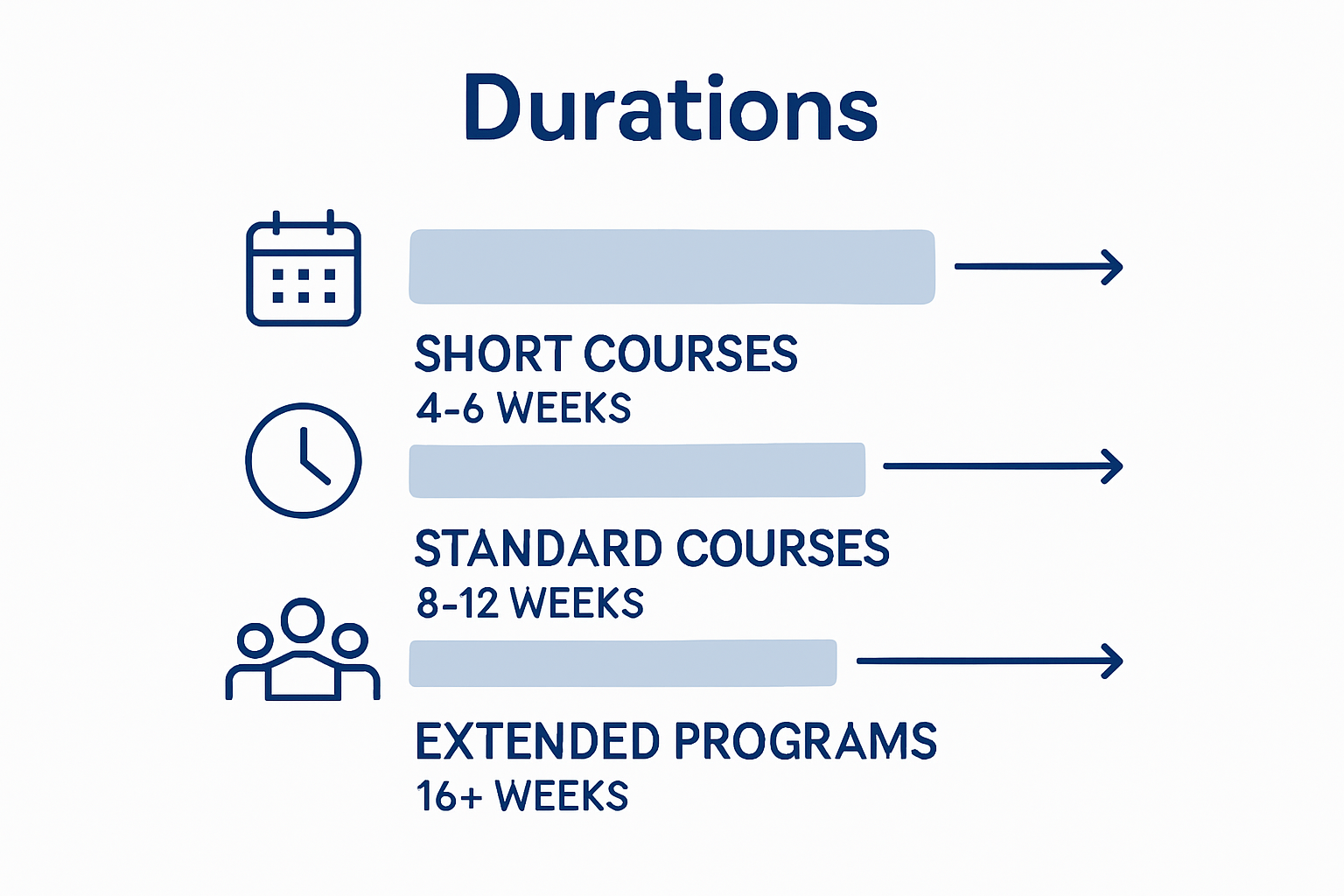
Several critical elements influence the duration and successful completion of anger management programs:
Personal Factors:
- Severity of anger issues
- Individual psychological history
- Personal motivation for change
- Existing coping mechanisms
- Concurrent mental health conditions
External Factors:
- Court-mandated requirements
- Professional recommendations
- Insurance coverage limitations
- Workplace or relationship intervention needs
- Available support systems
Successful completion requires more than simply attending sessions. Participants must actively engage in self-reflection, practice learned techniques, and demonstrate consistent progress in emotional regulation. The most effective programs adapt dynamically to individual needs, recognizing that healing is a nonlinear process that demands patience, commitment, and personalized therapeutic strategies.
Take Control of Your Emotional Well-Being with Expert Anger Management Support
Understanding how long anger management classes last and what to expect can feel overwhelming when you are facing intense emotions that disrupt your personal or professional life. The challenge of managing anger consistently requires more than just time—it calls for tailored strategies like those emphasized in the article, including emotional regulation techniques, coping mechanisms, and sustained behavioral change. Whether you are navigating court-ordered programs or seeking personal growth, addressing these pain points head-on with professional guidance is key to lasting transformation.
At Mastering Conflict, we provide specialized anger management classes led by experienced clinicians who understand that emotional healing is a personalized journey. Our programs focus on practical skills for recognizing triggers, developing healthier communication, and maintaining control over emotional responses. We work closely with diverse populations including men, women, teens, and Black/African American communities, ensuring that your unique needs are met with respect and clinical expertise.
Don’t let uncertainty about program length or effectiveness hold you back from managing your anger and improving your relationships. Start your path to healthier emotional regulation today by exploring our anger management classes and connect directly with professionals ready to support your journey. Visit us at Mastering Conflict to book a consultation and take the next step toward greater peace and personal control.
Frequently Asked Questions
How long do anger management classes typically last?
Anger management classes usually span approximately 10 weeks, with sessions that provide structured opportunities for emotional skill development and behavioral modification.
What is the usual session frequency for anger management programs?
Participants often attend sessions weekly; however, program structures can also accommodate bi-weekly meetings or intensive daily programs for those needing urgent support.
Are there different types of anger management programs available?
Yes, anger management programs come in various types, including group therapy, individual counseling, online classes, court-mandated programs, and workplace training, each tailored to specific needs and goals.
What factors can influence the length of an anger management program?
Factors influencing program length include the severity of anger issues, individual psychological history, personal motivation for change, and any concurrent mental health conditions.
Recommended
- 26 Signs You Need Anger Management Classes
- All Courses – Mastering Conflict
- 26 Signs You Need Anger Management Classes
- Anger Management Classes in Charlotte, NC 28262
- Effective Training for Food Managers: Boost Your Skills – Probe IT
- Training Therapy Dogs: A Complete 2025 Guide for Owners and Handlers – iPupPee