
Managing Parental Conflict – Impact on Family Health

Every parent faces moments of disagreement, but for families in North Carolina and South Carolina, frequent arguments with a co-parent can start to feel overwhelming. Understanding what actually counts as parental conflict helps separate normal ups and downs from patterns that can harm your children’s emotional wellbeing. This guide shines a light on common myths and facts, offering clear steps for reducing tension and creating a more peaceful home.
Table of Contents
- Defining Parental Conflict And Common Myths
- Types And Causes Of Parental Conflict
- Effects Of Parental Conflict On Children
- Legal And Safety Considerations For Parents
- Evidence-Based Strategies To Manage Conflict
Key Takeaways
| Point | Details |
|---|---|
| Understanding Conflict | Parental conflict is common and can differ in intensity; not all conflict is harmful when approached respectfully. |
| Impact on Children | Frequent and unresolved conflict can lead to emotional distress and academic challenges in children. |
| Distinguishing Conflict from Abuse | It is crucial to differentiate between normal parental conflict and domestic abuse, as the latter requires immediate intervention. |
| Seeking Help | Professional support, such as counseling or mediation, can effectively address and reduce harmful conflict patterns. |
Defining Parental Conflict and Common Myths
Parental conflict is far more common than most parents realize, and understanding what it actually is helps you recognize it in your own life. Rather than viewing conflict as a failure or sign of poor parenting, it’s useful to know the facts about what’s normal, what’s harmful, and what myths might be holding you back from addressing real issues in your family.
Parental conflict occurs when disagreements or arguments happen between parents or caregivers. These conflicts can involve differences in opinion, emotions, or parenting approaches. They happen across all types of family structures—married couples, divorced co-parents, blended families, and unmarried partners.
Here’s the key distinction: not all parental conflict is harmful. Natural differences of opinion are normal in any household.
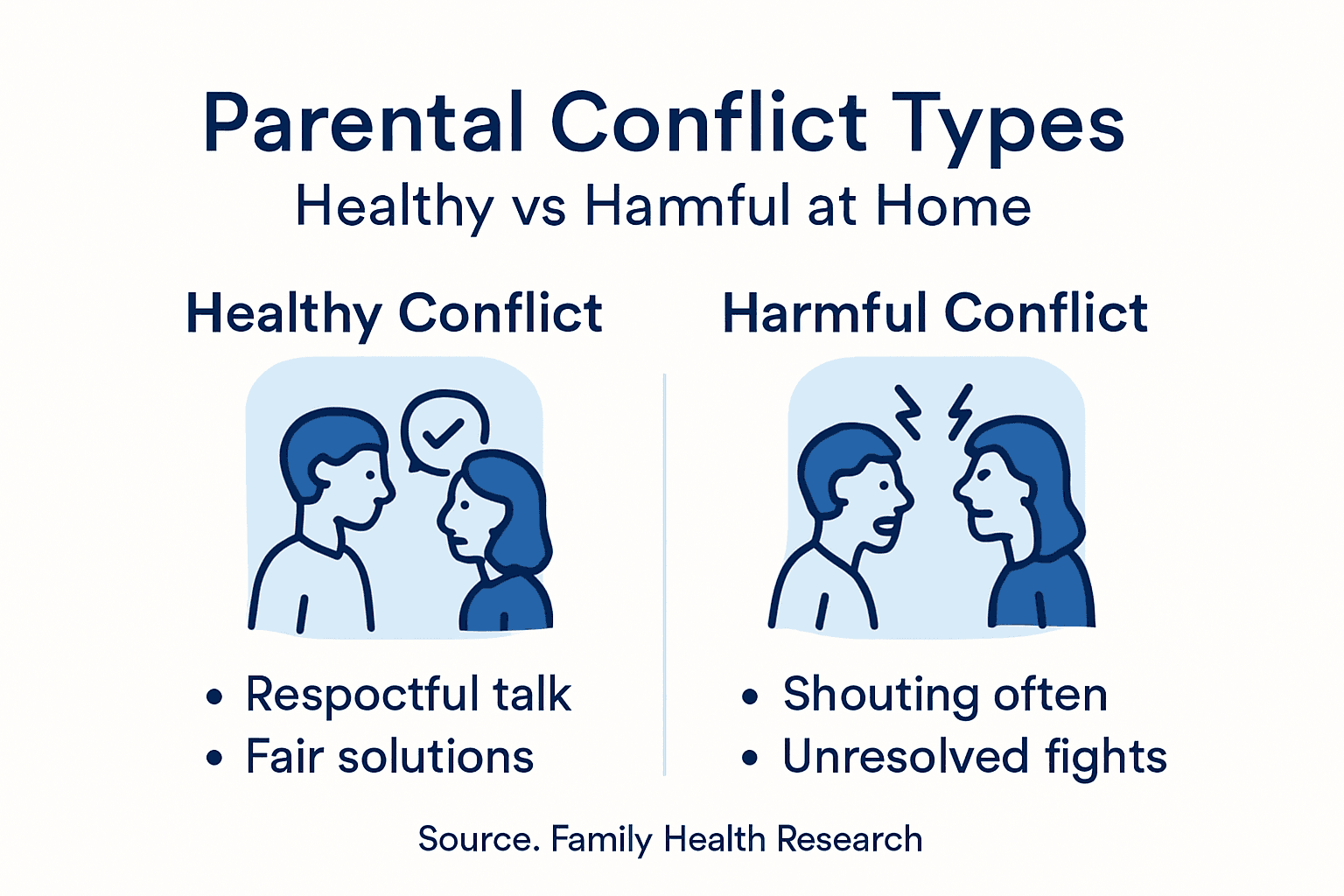
Here’s a quick comparison between healthy and harmful parental conflict:
| Aspect | Healthy Conflict | Harmful Conflict |
|---|---|---|
| Frequency | Occasional disagreements | Frequent, ongoing arguments |
| Resolution | Issues are resolved respectfully | Problems remain unresolved |
| Impact on Children | Teaches problem-solving skills | Causes stress and anxiety |
| Communication Style | Calm, open discussion | Yelling, contempt, silence |
| Home Environment | Supportive, cooperative | Tense, hostile, unpredictable |
What Makes Conflict Harmful
The real problem emerges when conflict becomes frequent, intense, or poorly resolved. Parental conflict becomes damaging to children when it includes behaviors like unresolved arguing, lack of respect, and failure to reach resolution. A single disagreement about bedtime isn’t the issue—it’s when arguments are constant, voices are raised repeatedly, and nothing gets resolved.
Harmful conflict also creates stress for children, affecting their emotional wellbeing and development. Children exposed to frequent conflict often experience anxiety, difficulty concentrating at school, and behavioral challenges. In North and South Carolina families seeking help, this pattern is one of the most common reasons parents reach out for support.
Common Myths About Parental Conflict
Misunderstanding parental conflict keeps many families stuck. Here are the myths that need debunking:
- Myth: If parents argue, they’re bad parents. Reality: Conflict is human and normal. How you handle it matters far more than whether it happens.
- Myth: Children are always harmed by conflict. Reality: Children adapt well when conflict is handled respectfully and resolved. They actually learn valuable problem-solving skills.
- Myth: Staying silent protects children. Reality: Kids pick up on tension anyway. Suppressed conflict often emerges as resentment, withdrawal, or acting out.
- Myth: Conflict means the relationship is failing. Reality: Disagreement is part of any relationship. How couples navigate differences determines the outcome.
The difference matters: Parental conflict is distinct from domestic abuse. Conflict involves normal disagreements; abuse involves control, intimidation, or violence. If your situation involves abuse, seek immediate safety resources.
When co-parents or partners can discuss differences with mutual respect and work toward resolution, children actually benefit. They witness healthy problem-solving in action. This is completely different from conflict driven by anger, contempt, or one person dominating the other.
Understanding these distinctions helps you assess your own family situation honestly. You can then determine whether you’re dealing with normal parental disagreement or a pattern that requires intervention through strategies for managing parenting conflicts.
Pro tip: Take five minutes this week to honestly describe one recent conflict with your co-parent or partner—was it about a specific issue that got resolved, or part of an ongoing pattern? This clarity helps you determine what approach will actually help your family.
Types and Causes of Parental Conflict
Parental conflict shows up in different forms, and the causes behind these conflicts vary widely. Understanding both helps you recognize what’s happening in your family and why it matters. Whether you’re dealing with constant bickering or silent tension, knowing the pattern is the first step toward change.
Common Types of Parental Conflict
Parental conflict manifests in several recognizable patterns. The most common types include:
- Ongoing hostility: Constant irritation, criticism, and negativity between parents. This creates a tense home environment where nothing ever feels resolved.
- Aggression: Raised voices, yelling, sarcasm, or contemptuous remarks. Sometimes this escalates to throwing things or physical confrontation.
- Silent treatment: One or both parents withdraw, refuse to communicate, or use emotional distance as punishment. Kids often find this as stressful as open conflict.
- Blame and accusation: Partners constantly point fingers, rehash old grievances, and refuse to take responsibility for their part in disagreements.
- Poor resolution: Arguments start but never finish. Issues remain unresolved, building resentment over time.
The pattern matters more than the incident. A single heated argument isn’t the problem; repeated cycles of unresolved conflict create lasting stress for children.
Root Causes of Parental Conflict
Financial stress creates significant strain on relationships. Money worries about bills, job security, or unexpected expenses often become flashpoints for conflict. Co-parents may blame each other for financial problems, creating resentment that spills into other areas.
Parenting style differences trigger conflict frequently. One parent favors strict discipline while the other takes a permissive approach. These disagreements about rules, consequences, and expectations create confusion for children and frustration between parents.
Life transitions intensify conflict dramatically:
- Separation or divorce
- A new baby or blended family situations
- Job loss or career changes
- Moving to a new location
- School transitions for children
Previous relationship trauma, unmanaged anger issues and emotional regulation challenges also fuel ongoing conflict. If parents struggle with controlling their emotions or have unhealed wounds from their own childhoods, they’re more likely to react harshly during disagreements.
Cultural differences, gender expectations, and personal resilience factors shape how conflict develops. Some families have less experience with healthy conflict resolution because they grew up in homes where conflict was either avoided completely or handled destructively.
Stress from work, health concerns, or extended family problems gets projected onto the relationship. Parents already at their limit become quicker to argue over minor issues.
Pro tip: Identify one specific trigger that causes conflict in your household—money, parenting decisions, chores—then commit to having one calm conversation about that topic this week, focusing on understanding your co-parent’s perspective rather than winning the argument.
Effects of Parental Conflict on Children
Children absorb the emotional climate of their homes like sponges. When parents are in constant conflict, kids feel it in their bodies, their school performance, and their relationships with others. Understanding these effects helps you recognize why addressing conflict matters for your whole family’s wellbeing.
Emotional and Mental Health Impacts
Frequent, intense parental conflict increases risk of mental health issues in children. Kids exposed to ongoing conflict experience higher rates of anxiety, depression, and emotional distress. They worry constantly about the stability of their family and wonder if they caused the conflict.
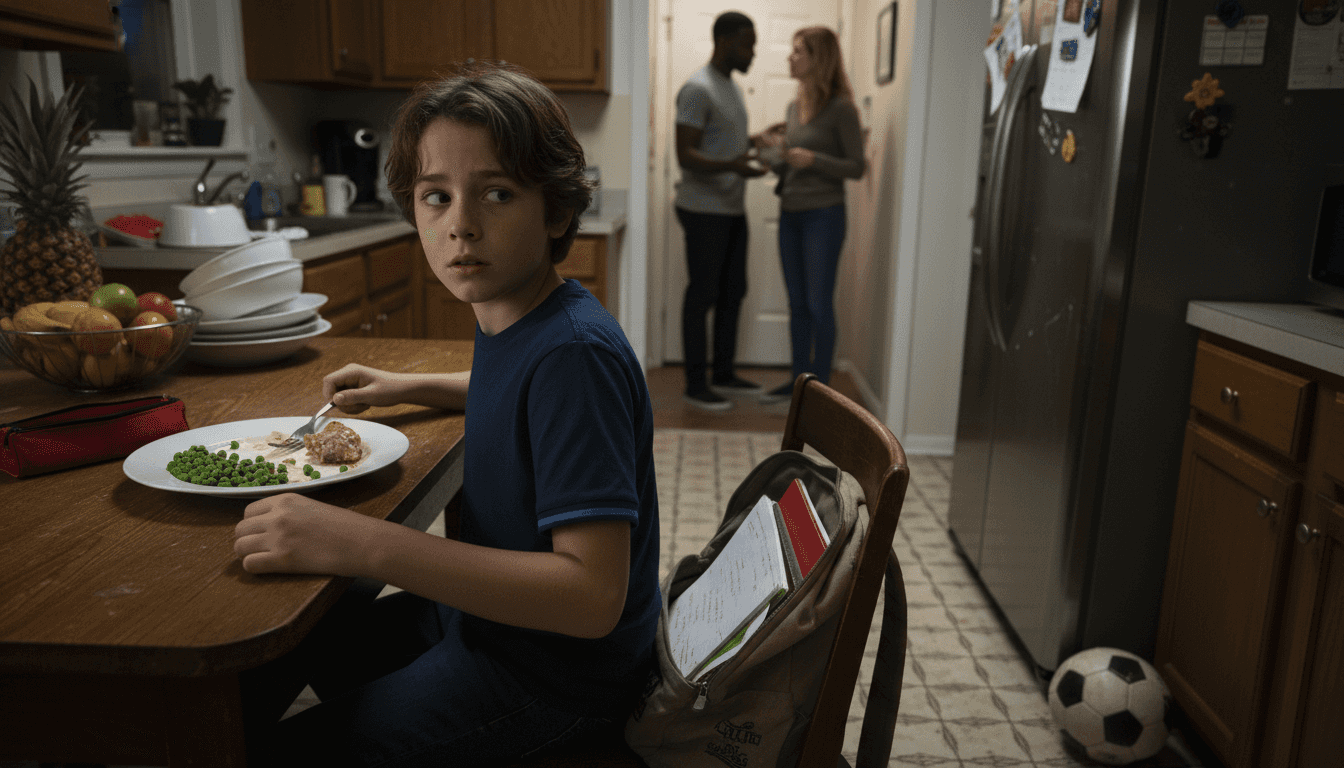
Children develop poor emotional regulation skills when they grow up in conflict-filled homes. They struggle to manage anger, sadness, or frustration because they’ve learned these emotions lead to family chaos. This affects every relationship they have, from friendships to future romantic partnerships.
Stress from parental conflict actually changes how children’s brains develop. Prolonged exposure triggers elevated stress responses that can include sleep disorders, weakened immune systems, and difficulty concentrating. These physical changes have lasting effects extending into adulthood.
Behavioral and Academic Challenges
Children in conflicted homes often act out behaviorally. Common patterns include:
- Aggression toward siblings or peers
- Withdrawal and social isolation
- Defiance toward authority figures
- Increased risk-taking behaviors
Academic performance suffers dramatically. Kids can’t focus on schoolwork when their minds are preoccupied with family stress. They miss assignments, struggle with concentration, and fall behind their peers academically.
Peer relationships suffer too. Children from high-conflict homes often struggle to form healthy friendships because they haven’t learned how to resolve disagreements respectfully.
Long-Term Effects Into Adulthood
The impact doesn’t end when kids leave home. Adolescents experiencing parental conflict benefit from learning conflict resolution strategies early, which helps prevent patterns from repeating in their own adult relationships. Without intervention, children from conflict-heavy homes often struggle with:
- Difficulty maintaining stable romantic relationships
- Challenges with employment and career stability
- Continued mental health struggles
- Difficulty setting healthy boundaries
- Tendency to repeat conflict patterns in their own families
The cycle can perpetuate across generations unless parents make conscious changes. Children who witness healthy conflict resolution, however, learn that disagreements are manageable and that relationships can survive conflict.
Pro tip: This week, notice one moment when your child seems anxious or withdrawn, then ask yourself honestly if recent conflict between you and your co-parent triggered that response—this awareness is the first step toward protecting their wellbeing.
Legal and Safety Considerations for Parents
When parental conflict reaches certain levels, legal and safety concerns become real considerations. Understanding how courts view conflict, what constitutes reportable abuse, and when to seek professional intervention protects both your children and your parental rights.
Understanding Legal Standards for Harmful Conflict
Family courts assess harmful conflict based on its intensity, persistence, and impact on children’s welfare. Courts don’t intervene in every parental disagreement, but they do take action when conflict becomes chronic and high-intensity. The legal question centers on whether the conflict meaningfully harms your child’s wellbeing and development.
Courts examine the nature of disputes, how persistent they are, and what future risks exist for your children. A single argument about school choice differs legally from years of unresolved hostility affecting your child’s mental health or safety.
In North and South Carolina, family courts prioritize the best interests of the child standard. This means your parenting rights may be limited if ongoing conflict puts your child at risk. Courts can order co-parenting classes, therapy, or modified custody arrangements to protect children from harmful conflict exposure.
Distinguishing Conflict From Abuse
Critical distinction: parental conflict and domestic abuse are legally different. Conflict involves disagreements between parents. Abuse involves one person using control, intimidation, threats, or violence against the other parent or children.
Signs that conflict may cross into abuse territory include:
- Physical violence or threats of violence
- Controlling behavior or isolation from family
- Verbal abuse, humiliation, or threats
- Using children as weapons or threatening custody
- Financial control or coercion
If abuse is present, you have legal obligations and protections. Protective orders, restraining orders, and custody modifications can be pursued through family court. Organizations like domestic violence shelters provide immediate safety resources and legal guidance.
When Professional Intervention Becomes Necessary
You don’t have to wait for court involvement to seek help. Professional family counseling and co-parenting mediation address conflict before it escalates legally. Mastering Conflict offers anger management classes, family counseling, and couples therapy specifically designed to reduce harmful conflict and improve family dynamics.
Consider professional intervention when:
- Conflict has lasted more than six months without improvement
- Your children show clear signs of emotional or behavioral distress
- You and your co-parent can’t have calm conversations about parenting decisions
- One parent is using anger or aggression during interactions
- Children are being drawn into adult conflicts or used as messengers
Early intervention prevents court involvement. Addressing conflict through counseling protects your relationship with your children and avoids the adversarial family court system.
Documentation matters. Keep records of concerning incidents, your efforts to resolve conflict, and your child’s responses. This information becomes important if legal action becomes necessary.
Pro tip: Contact a family law attorney for a consultation to understand your specific state’s standards for harmful conflict and your legal options—this costs far less than court battles and gives you clarity about your situation.
Evidence-Based Strategies to Manage Conflict
Reducing parental conflict doesn’t require guesswork. Research shows which approaches actually work, and many are available through structured programs and professional support. Whether you’re managing disagreements with a co-parent or working through conflict in your current relationship, evidence-based strategies give you a roadmap.
The Power of Structured Programs
Group-based parenting interventions targeting interparental conflict reduce conflict intensity and improve family outcomes. These aren’t vague advice sessions. Structured programs involve tailored content, professional facilitators, and engagement from both parents. Research confirms these programs improve child behavior, enhance parenting practices, and strengthen family dynamics.
Specialized parent education courses for high-conflict co-parenting situations have shown measurable success. Participants learn practical strategies and benefit from facilitation by trained family therapists. Programs typically run for several weeks, allowing you to practice new skills with professional guidance.
The key element: both parents must participate. When only one parent engages, progress stalls. Programs work best when both caregivers commit to learning together.
This table summarizes evidence-based approaches to managing parental conflict:
| Strategy | Description | Typical Impact |
|---|---|---|
| Structured Parenting Programs | Multi-week guided sessions | Lower conflict intensity |
| Family Counseling | Professional-led therapy | Improves emotional skills |
| Anger Management Classes | Teaches self-regulation | Reduces escalation |
| Co-Parenting Mediation | Neutral facilitator helps | Builds respectful dialogue |
| Communication Training | Skill-based instruction | Enhances problem-solving |
Core Communication and Resolution Strategies
Effective conflict management starts with how you communicate. Key strategies include:
- Using “I” statements instead of blame: Say “I feel frustrated when decisions happen without input” rather than “You always make decisions without me.”
- Requesting rather than demanding: Frame requests positively. “Can we discuss this when we’re both calm?” works better than “You never listen.”
- Active listening: Truly hear your co-parent’s perspective before responding. This doesn’t mean you agree, but you understand.
- Staying focused on the issue: Avoid bringing up past grievances or attacking character. Stick to the current problem.
- Taking breaks when emotions escalate: Recognizing when to pause prevents arguments from spiraling.
Structured conflict resolution steps create predictable pathways to resolution. When both parents follow the same approach, children feel the difference immediately.
Effective conflict resolution steps for couples and families provide tested frameworks that move from identifying the problem through implementation of solutions. These step-by-step processes remove emotion from problem-solving.
Building Long-Term Change
Immediate relief matters, but lasting change requires ongoing effort. Professional family counseling addresses the root causes beneath surface conflicts. Anger management classes teach emotional regulation skills that prevent conflicts from escalating.
Couples therapy and co-parenting mediation provide neutral space to address patterns. A trained therapist helps you recognize triggers, understand each other’s needs, and develop sustainable solutions.
Mastering Conflict offers specialized programs including anger management classes, family counseling, couples therapy, and coaching for parents specifically. These evidence-based approaches are tailored to North and South Carolina families dealing with parental conflict.
Pro tip: Start with one small change this week—choose one communication strategy from the list above and practice it in your next interaction with your co-parent, then notice if the response differs from usual.
Take Control of Parental Conflict to Protect Your Family’s Wellbeing
Parental conflict can deeply affect your children’s emotional health and your family’s harmony. If you experience frequent unresolved arguments, stress from parenting differences, or challenges regulating emotions, there is help available. Understanding that conflict is normal but harmful patterns need intervention is the first step toward positive change. At Mastering Conflict, we offer proven solutions like anger management classes, family counseling, and couples therapy that specifically address the root causes and ongoing cycles of parental conflict discussed in this article.
Start transforming your family dynamics today by connecting with skilled professionals who guide you through evidence-based strategies tailored for families in North and South Carolina and beyond. Do not let harmful conflict affect your children’s future any longer. Visit Mastering Conflict now to learn more about our family counseling and anger management programs designed to restore respect, communication, and peace into your home. Taking action now can break the cycle and build healthier relationships for generations to come.
Frequently Asked Questions
What is parental conflict and how does it affect families?
Parental conflict refers to disagreements or arguments between parents or caregivers. It can have significant effects on the family dynamic, impacting children’s emotional wellbeing and development, especially when conflicts become frequent or unresolved.
How can parental conflict impact children’s mental health?
Children exposed to ongoing parental conflict experience higher rates of anxiety, depression, and emotional distress, which can affect their behavior, social relationships, and academic performance.
What are some common myths about parental conflict?
Common myths include the beliefs that arguing means bad parenting, that children are always harmed by conflict, or that silence protects children. In reality, respectful resolution of disagreements can teach children valuable problem-solving skills.
When should parents seek professional help for conflict?
Parents should consider seeking help when conflicts persist for more than six months without improvement, when children show signs of emotional distress, or when communication becomes unmanageable. Professional counseling can help address underlying issues and improve family dynamics.
Recommended
- How to Deal With Parenting Conflicts
- Healthy Family Dynamics: Complete Guide for Families – Mastering Conflict
- How to Deal With Parenting Conflicts
- Parenting Conflict Resolution: Steps for Healthier Family Bonds – Mastering Conflict
- Cognitive Support: Enhancing Focus for ADHD Minds – Cortex Supplements
- Stress Relief – Inner Balance & Resilience – Global Healing – Oxyhealth