Conflict Resolution Skills in Marriage: Building Lasting Harmony

Over half of American couples report that unresolved conflict is their top source of stress in marriage. For partners in North Carolina and South Carolina, finding effective ways to address disagreements matters now more than ever. With the rise of online therapy options, learning practical conflict resolution skills helps couples build healthier communication, reduce daily tension, and strengthen emotional connection.
Table of Contents
- Defining Conflict Resolution In Marriage
- Common Conflict Styles And Misconceptions
- Core Skills For Healthy Communication
- Emotion Regulation And Empathy Techniques
- Evidence-Based Counseling And Therapy Models
- Avoiding Mistakes And When To Seek Help
Key Takeaways
| Point | Details |
|---|---|
| Effective Conflict Resolution | Couples should approach disagreements as opportunities for growth, employing skills like active listening and empathy to foster understanding and connection. |
| Understanding Conflict Styles | Recognizing individual conflict styles—such as confrontational, avoidance, cooperative, and compromise—can help partners engage in healthier communication and resolve issues more effectively. |
| Importance of Healthy Communication | Core communication skills, including emotional intelligence and constructive expression, are vital for transforming potential conflicts into deeper connections. |
| When to Seek Professional Help | Couples should seek counseling when facing persistent unresolved conflicts or emotional disengagement, viewing therapy as a proactive step toward healing. |
Defining Conflict Resolution in Marriage
Conflict resolution in marriage represents a critical set of interpersonal skills that enable couples to navigate disagreements constructively. At its core, conflict resolution involves the systematic approach couples use to address, discuss, and ultimately resolve differences in a manner that preserves relationship integrity. Fundamentally, this process goes beyond simply avoiding arguments – it requires active listening, empathy, and strategic communication.
Research indicates that conflict resolution is more than a singular action but a complex interaction where partners manage differing perspectives and emotional responses. Attachment styles and individual fears significantly predict how couples approach conflict resolution, suggesting that understanding personal emotional patterns is crucial for effective communication. Some couples naturally discuss problems openly, while others might neglect conflicts or prematurely exit challenging conversations.
Successful conflict resolution in marriage involves several key components: mutual respect, emotional intelligence, clear communication, and a shared commitment to relationship growth. Partners must recognize that disagreements are natural and not inherently destructive. Instead, conflicts represent opportunities for deeper understanding, mutual learning, and strengthening relational bonds. The goal is not to “win” an argument but to collaboratively find solutions that address both partners’ needs and feelings.
Pro tip: Practice active listening by paraphrasing your partner’s concerns to demonstrate genuine understanding and create a safe communication environment.
Common Conflict Styles and Misconceptions
Couples often approach conflict with deeply ingrained patterns that can either help or hinder their relationship’s health. Research reveals that communication and conflict resolution styles significantly impact relationship dynamics, challenging many common misconceptions about how partners should handle disagreements.
Conflict styles typically fall into several fundamental categories that reveal how partners interact during challenging moments. These include confrontational approaches, where partners directly address issues; avoidance strategies, where individuals sidestep potential arguments; cooperative methods that seek mutual understanding; and compromise techniques that balance individual needs. Contrary to popular belief, no single style universally works for all couples. Different conflict resolution approaches manifest uniquely across various relationship stages and personal contexts, requiring adaptable and nuanced communication strategies.
One prevalent misconception is that conflict itself is inherently negative. In reality, healthy conflict can strengthen relationships by promoting honest communication, revealing underlying emotional needs, and demonstrating mutual commitment to resolving challenges. Partners who view disagreements as opportunities for growth rather than threats can transform potentially divisive moments into chances for deeper connection. The key lies in maintaining respect, practicing active listening, and approaching conflicts with genuine curiosity about each other’s perspectives.
Here’s a comparison of common conflict styles and their potential outcomes for couples:
| Conflict Style | Typical Behavior | Likely Outcome | Best Used When |
|---|---|---|---|
| Confrontational | Direct, assertive | Can resolve quickly | Issues need immediate attention |
| Avoidance | Sidestepping disagreement | Problems may persist | Minor issues or temporary stress |
| Cooperative | Open discussion, empathy | Greater understanding | Deeper emotional conflicts |
| Compromise | Balance needs, negotiate | Mutually acceptable | Both disagree but want resolution |
Pro tip: During conflicts, pause and ask yourself “What am I truly feeling?” before responding, to ensure your reactions come from a place of understanding rather than defensiveness.
Core Skills for Healthy Communication
Healthy communication forms the cornerstone of successful marriages, transforming potential conflicts into opportunities for deeper connection. Effective conflict resolution strategies fundamentally depend on developing core communication skills that promote understanding and empathy, moving beyond simple dialogue to genuine emotional engagement.
Critical communication skills for couples include active listening, which goes far beyond merely hearing words. This involves paying attention to non-verbal cues, maintaining eye contact, and demonstrating genuine interest in understanding your partner’s perspective. Long-term successful couples have consistently shown that attentive listening and clear communication are negotiated skills developed over time, requiring continuous practice and mutual commitment.
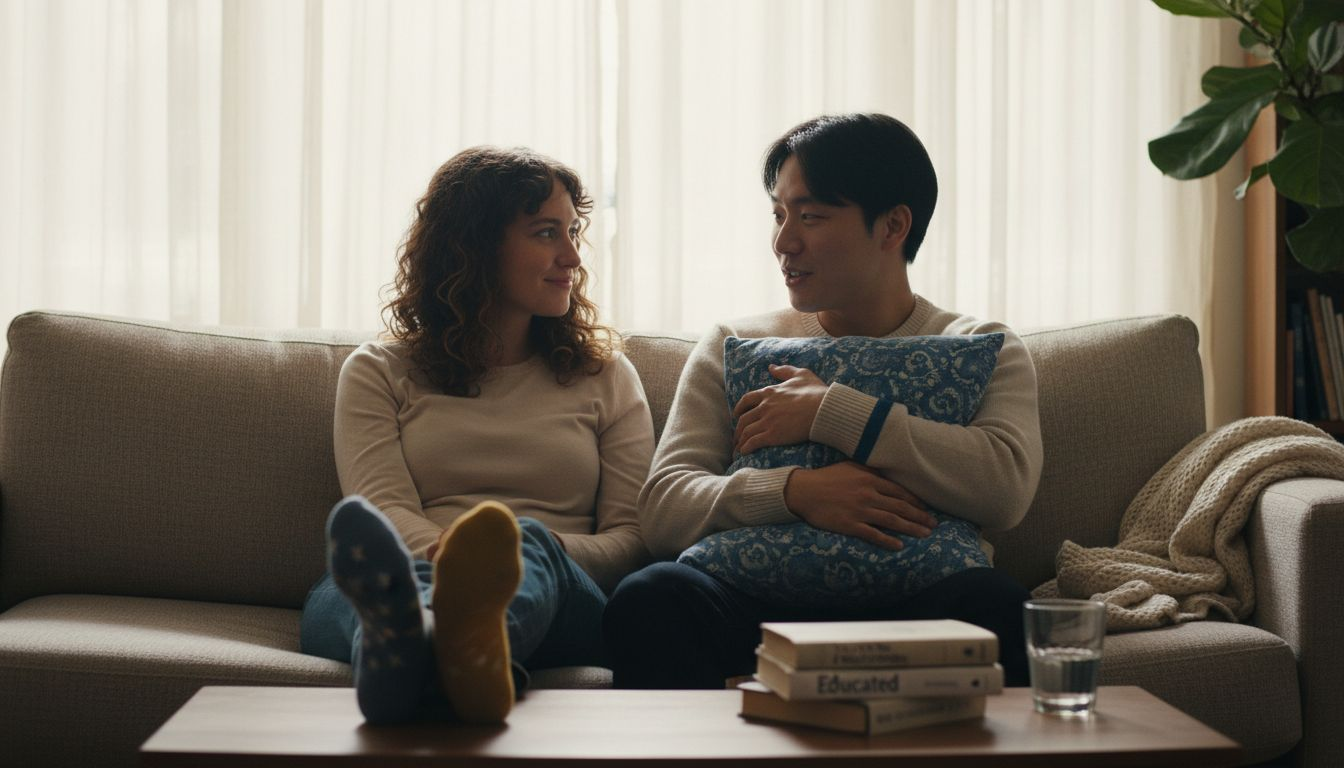
Beyond listening, healthy communication demands emotional intelligence and the ability to express feelings constructively. This means using “I” statements that communicate personal experiences without attacking or blaming your partner. For instance, saying “I feel frustrated when deadlines are missed” is more effective than “You always let me down.” Successful couples learn to create a safe emotional environment where both partners can vulnerably share their feelings, knowing they will be heard and respected. The goal is not to win arguments but to understand each other more deeply and collaboratively solve challenges.
Pro tip: Practice the 5-second pause technique during heated moments: take a deep breath and count to five before responding, allowing emotional reactivity to settle and rational communication to emerge.
Emotion Regulation and Empathy Techniques
Emotion regulation represents a critical skill set for couples navigating complex relationship dynamics. Therapies like the Gottman Method emphasize understanding and managing emotional responses as fundamental to constructive conflict resolution, transforming potential heated arguments into opportunities for deeper connection.
Successful emotion regulation involves recognizing emotional triggers, developing self-awareness, and creating intentional responses rather than reactive outbursts. Couples who effectively manage their emotional interactions demonstrate higher intimacy and more constructive conflict engagement, preventing destructive communication patterns that can erode relationship trust. This requires practicing techniques like emotional labeling, where partners learn to identify and articulate their feelings precisely, creating a shared emotional vocabulary that facilitates understanding.
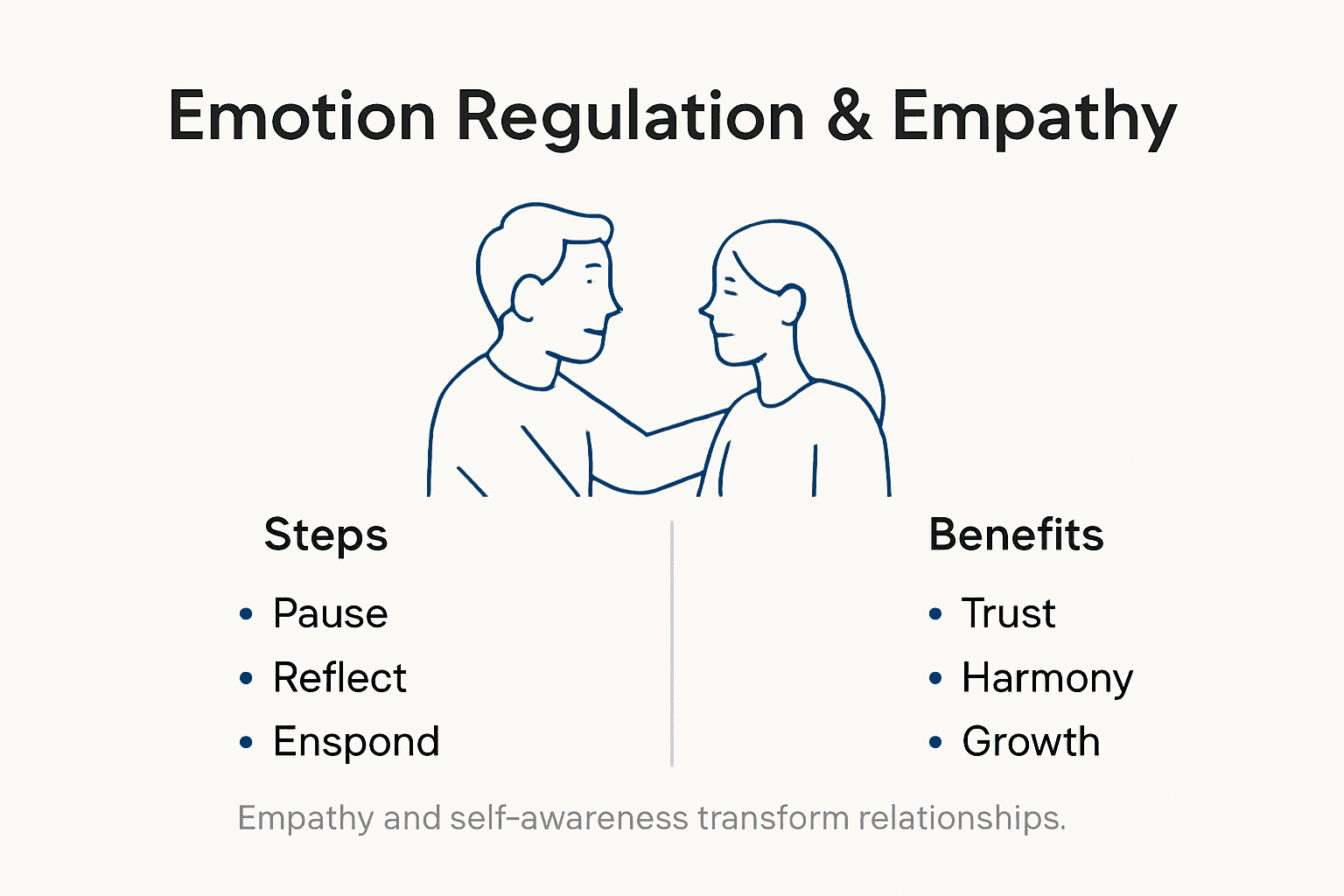
Empathy emerges as a powerful companion to emotion regulation, allowing partners to move beyond their personal perspectives and genuinely understand each other’s emotional landscapes. This means actively listening without judgment, validating feelings even when you might disagree with the underlying perspective, and demonstrating a commitment to emotional safety. Effective empathy is not about solving problems immediately but about creating a supportive environment where both partners feel heard, respected, and emotionally supported.
Pro tip: Create a personal “emotional pause” ritual by developing a subtle signal with your partner that allows either of you to request a brief timeout during intense conversations, giving space to reset and reconnect mindfully.
Evidence-Based Counseling and Therapy Models
Therapeutic interventions for marital conflict have evolved significantly, offering couples sophisticated, research-driven approaches to resolving relationship challenges. Contemporary counseling models integrate comprehensive techniques that address the complex emotional dynamics underlying marital conflicts, moving beyond traditional problem-solving strategies to deeper emotional understanding.
Three prominent evidence-based therapy models stand out in supporting couples: the Gottman Method, Emotionally Focused Therapy (EFT), and Imago Relationship Therapy. Each approach offers unique perspectives on relationship healing. The Gottman Method focuses on building communication skills and understanding specific interaction patterns, EFT emphasizes emotional bonding and attachment, while Imago Therapy explores how childhood experiences shape relationship dynamics. Long-term marital research confirms that successful conflict resolution strategies are jointly negotiated and continuously adapted over time, highlighting the importance of personalized, culturally sensitive therapeutic approaches.
Crucial to these therapeutic models is the recognition that conflict is not inherently destructive, but an opportunity for growth and deeper connection. Therapists trained in these approaches help couples develop skills like emotional attunement, active listening, and constructive communication. They guide partners in understanding their individual emotional triggers, recognizing patterns of interaction, and developing more empathetic, responsive ways of relating to each other.
Pro tip: When considering couples therapy, prioritize finding a therapist who specializes in evidence-based models and demonstrates cultural competence in addressing your specific relationship dynamics.
Here is a quick reference to leading evidence-based therapy models for marriage conflict:
| Therapy Model | Main Focus | Unique Strength | Ideal For |
|---|---|---|---|
| Gottman Method | Communication patterns | Predicts stability with data | Skill-building couples |
| Emotionally Focused (EFT) | Emotional attachment | Deepens emotional bonds | Couples with distance |
| Imago Therapy | Childhood impact on bonds | Bridges early experience & present | Narrative-driven pairs |
Avoiding Mistakes and When to Seek Help
Relationship conflicts emerge naturally, but certain communication patterns can transform minor disagreements into destructive interactions. Research identifies critical mistakes couples frequently make that can severely undermine relationship stability, highlighting the importance of understanding and avoiding these potentially damaging behaviors.
Common mistakes in conflict management include emotional escalation, where partners become increasingly aggressive or defensive; persistent withdrawal, which creates emotional distance; and chronic criticism that undermines mutual respect. These patterns often stem from unaddressed emotional triggers, unresolved past experiences, and ineffective communication strategies. Partners might find themselves repeating destructive cycles without recognizing the underlying dynamics, gradually eroding trust and intimacy.
Recognizing when professional help becomes necessary is crucial for relationship preservation. Warning signs include persistent unresolved conflicts, consistent communication breakdowns, loss of emotional intimacy, frequent contempt or defensiveness, and situations involving emotional or physical abuse. Professional counseling can provide structured guidance, helping couples develop healthier communication patterns, understand deep-rooted relationship dynamics, and rebuild emotional connections. Seeking help is not a sign of failure, but a proactive step toward relationship healing and growth.
Pro tip: Schedule periodic relationship check-ins where both partners can openly discuss concerns without judgment, treating these conversations as collaborative problem-solving sessions rather than confrontations.
Strengthen Your Marriage with Proven Conflict Resolution Support
Marriage challenges often stem from communication breakdowns, emotional triggers, and unresolved conflicts that escalate into frustration and distance. This article highlights the importance of mastering skills like active listening, emotion regulation, and empathy to build lasting harmony. If you recognize these pain points in your relationship or desire to transform disagreements into deeper understanding, tailored support can make all the difference.
At Mastering Conflict, we specialize in evidence-based couples therapy and clinical interventions designed to help you and your partner develop healthy communication patterns and effective conflict management strategies. Whether you are facing ongoing disputes or simply want to enhance your connection, our expert-led counseling and coaching programs offer safe, compassionate guidance for lasting change.
Take the first step toward a more peaceful and fulfilling marriage today. Explore our couples therapy services and discover how professional support can equip you with the tools to navigate conflict confidently and compassionately. Visit Mastering Conflict now to schedule your appointment and begin your journey to marital harmony.
Frequently Asked Questions
What are the key components of conflict resolution in marriage?
Successful conflict resolution in marriage hinges on mutual respect, emotional intelligence, clear communication, and a shared commitment to growth. It focuses on addressing disagreements constructively, viewing conflicts as opportunities for deeper understanding rather than a means to “win” arguments.
How can active listening improve conflict resolution in relationships?
Active listening enhances conflict resolution by ensuring partners feel heard and understood. It involves paying attention to verbal and non-verbal cues, maintaining eye contact, and acknowledging each other’s feelings, which fosters a safe communication environment and reduces misunderstandings.
What are some common conflict styles couples exhibit?
Common conflict styles include confrontational, avoidance, cooperative, and compromise approaches. Each style has its strengths and weaknesses, and recognizing which style you and your partner use can help improve communication and lead to healthier resolutions.
When should couples seek professional help for conflict resolution?
Couples should consider seeking professional help if they face persistent unresolved conflicts, communication breakdowns, a loss of emotional intimacy, frequent defensiveness, or signs of emotional or physical abuse. Professional counseling can provide structure and tools for healthier communication patterns.
Recommended
- How to Deal With Parenting Conflicts
- 21 Ways to Control Anger in a Relationship
- Effective Conflict Resolution Steps for Couples, Families, and Professionals 2025 – Mastering Conflict
- Why Couples Fight: Root Causes and Real Solutions for 2025 – Mastering Conflict
- It’s Lockdown O’Clock: Mental Health in Isolation| Heske Therapy