
Conflict Resolution for Couples – Building Resilient Marriages

More than 60 percent of American couples report ongoing conflict as a top stressor in long-term relationships. Many married partners in North Carolina and South Carolina quietly wrestle with disagreements, feeling stuck between repeated arguments and silent resentment. Understanding the real dynamics behind conflict resolution allows couples to discover practical counseling strategies and clear tools for personal growth, helping them replace frustration with genuine connection.
Table of Contents
- Definition And Key Misconceptions
- Recurring Conflict Patterns In Marriage
- Evidence-Based Strategies And Counseling Approaches
- Roles And Responsibilities For Each Partner
- Common Mistakes And Safety Concerns
- Alternative Solutions And When To Seek Help
Key Takeaways
| Point | Details |
|---|---|
| Conflict is a Natural Part of Relationships | Healthy couples do not avoid conflict but learn to manage it. It is essential to view conflicts as opportunities for growth and understanding rather than signs of failure. |
| Attachment Styles Impact Conflict Dynamics | Anxious, avoidant, and secure attachment styles shape how individuals approach disagreements. Understanding these styles can help couples navigate conflicts more effectively. |
| Evidence-Based Strategies are Key | Utilizing communication techniques and therapeutic interventions can transform conflict into opportunities for deeper connection. Focus on active listening and emotional regulation. |
| Recognize When to Seek Professional Help | Couples should be aware of warning signs that indicate the need for professional support, such as recurring unresolved conflicts or emotional safety concerns. Proactive consultations can invest in long-term relationship health. |
Definition and Key Misconceptions
Conflict resolution is a sophisticated interpersonal process through which couples navigate disagreements and communication challenges to maintain relationship harmony. At its core, conflict resolution involves strategic methods for addressing differences constructively, recognizing that disagreement itself is not inherently negative. Understanding conflict’s nuanced dynamics requires moving beyond simplistic assumptions about relationship interactions.
Contrary to popular belief, conflict is not a sign of relationship failure but a natural component of human connection. Healthy couples do not avoid conflict but learn to manage it effectively. Research indicates that attachment styles and individual fears significantly influence how partners approach disagreements. Some individuals may use destructive strategies like avoidance or aggression, while others engage in collaborative problem solving that strengthens relationship bonds.
Key misconceptions about conflict resolution often stem from unrealistic expectations about perfect communication. Many couples mistakenly believe that all conflicts can be permanently resolved or eliminated. In reality, effective conflict management is about developing skills to negotiate differences respectfully, listening actively, and maintaining emotional connection during challenging conversations. The goal is not eliminating conflict but transforming potential confrontations into opportunities for mutual understanding and growth.
Pro tip: Practice viewing conflicts as collaborative problem solving opportunities rather than adversarial battles, focusing on understanding your partner’s perspective before defending your own position.
Recurring Conflict Patterns in Marriage
Marriage inevitably presents complex interpersonal challenges where conflict patterns emerge through predictable psychological dynamics. These patterns are deeply rooted in individual attachment styles, communication preferences, and underlying emotional fears that shape how partners interact during disagreements. Understanding these recurring patterns becomes crucial for couples seeking to break destructive cycles and build more resilient relationships.
Attachment styles play a significant role in how couples navigate conflicts. Individuals with anxious attachment tend to become emotionally reactive and seek constant reassurance, while those with avoidant attachment may withdraw and minimize emotional engagement. These contrasting styles can create a repetitive dance of pursuit and distancing that undermines relationship stability. Some couples experience chronic conflicts around specific themes such as financial management, household responsibilities, intimacy levels, or communication approaches.
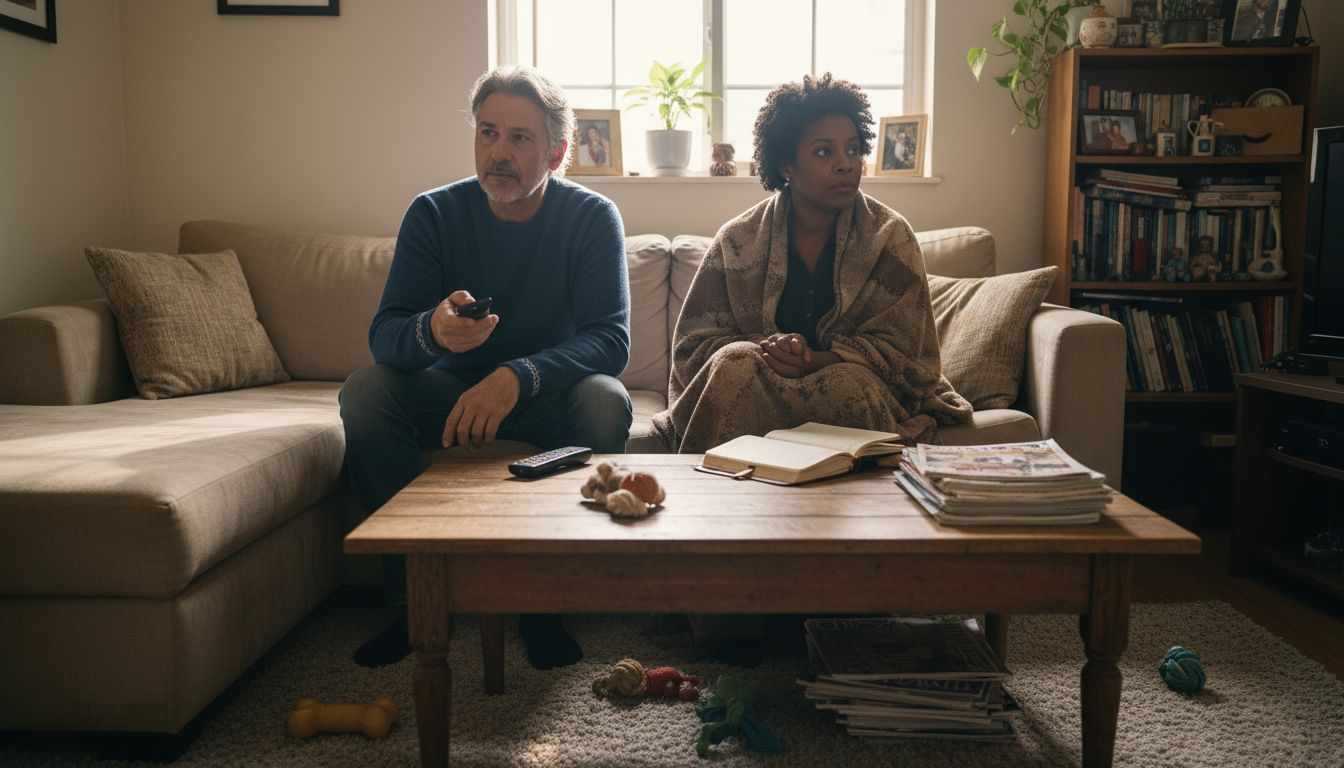
Here’s a summary of common attachment styles and their impact on marital conflict:
| Attachment Style | Typical Behavior in Conflict | Main Challenges |
|---|---|---|
| Anxious | Seeks reassurance, becomes reactive | Escalates arguments quickly |
| Avoidant | Withdraws, reduces engagement | Builds emotional distance |
| Secure | Communicates needs, listens openly | Fosters healthy resolution |
| Fearful-Avoidant | Swings between approach and retreat | Unpredictable emotional responses |
Developmental research on interpersonal conflicts reveals that negative engagement patterns often become deeply ingrained over time. Couples may unconsciously recreate familiar conflict scenarios from their family of origin, repeating generational communication patterns. These recursive interactions can lead to externalizing problems like aggressive communication or internalizing problems such as silent resentment and emotional shutdown. Recognizing these patterns represents the first critical step toward breaking destructive cycles and building more constructive relationship dynamics.
Pro tip: Map out your typical conflict patterns together, identifying specific triggers and emotional responses, to create a shared understanding of how you both react during disagreements.
Evidence-Based Strategies and Counseling Approaches
Couples navigating relationship challenges increasingly rely on evidence-based conflict resolution therapeutic techniques designed to transform interpersonal struggles into opportunities for mutual understanding. These scientifically validated approaches move beyond traditional communication models by integrating psychological research, emotional intelligence training, and targeted intervention strategies that address the root causes of relationship tension.
Professional counseling approaches typically incorporate multiple strategic interventions tailored to each couple’s unique dynamics. Systemic approaches examine interaction patterns, exploring how individual communication styles, attachment histories, and unresolved emotional wounds contribute to recurring conflicts. Cognitive behavioral techniques help partners identify negative thought patterns, reframe destructive narratives, and develop more constructive communication frameworks. Emotionally focused therapy goes deeper, helping couples recognize underlying emotional needs and create more secure relational bonds.
Effective evidence-based strategies emphasize skill development over blame allocation. Couples learn practical techniques such as active listening, emotional regulation, nonviolent communication, and collaborative problem solving. These interventions teach partners to recognize trigger points, manage emotional reactivity, and create mutual understanding. Therapeutic approaches often include structured exercises, communication skill training, and reflective practices that help couples develop more empathetic, responsive interaction patterns.
Pro tip: Schedule regular relationship check-ins where you both practice active listening and share vulnerabilities without judgment, creating a safe space for honest emotional exploration.
Roles and Responsibilities for Each Partner
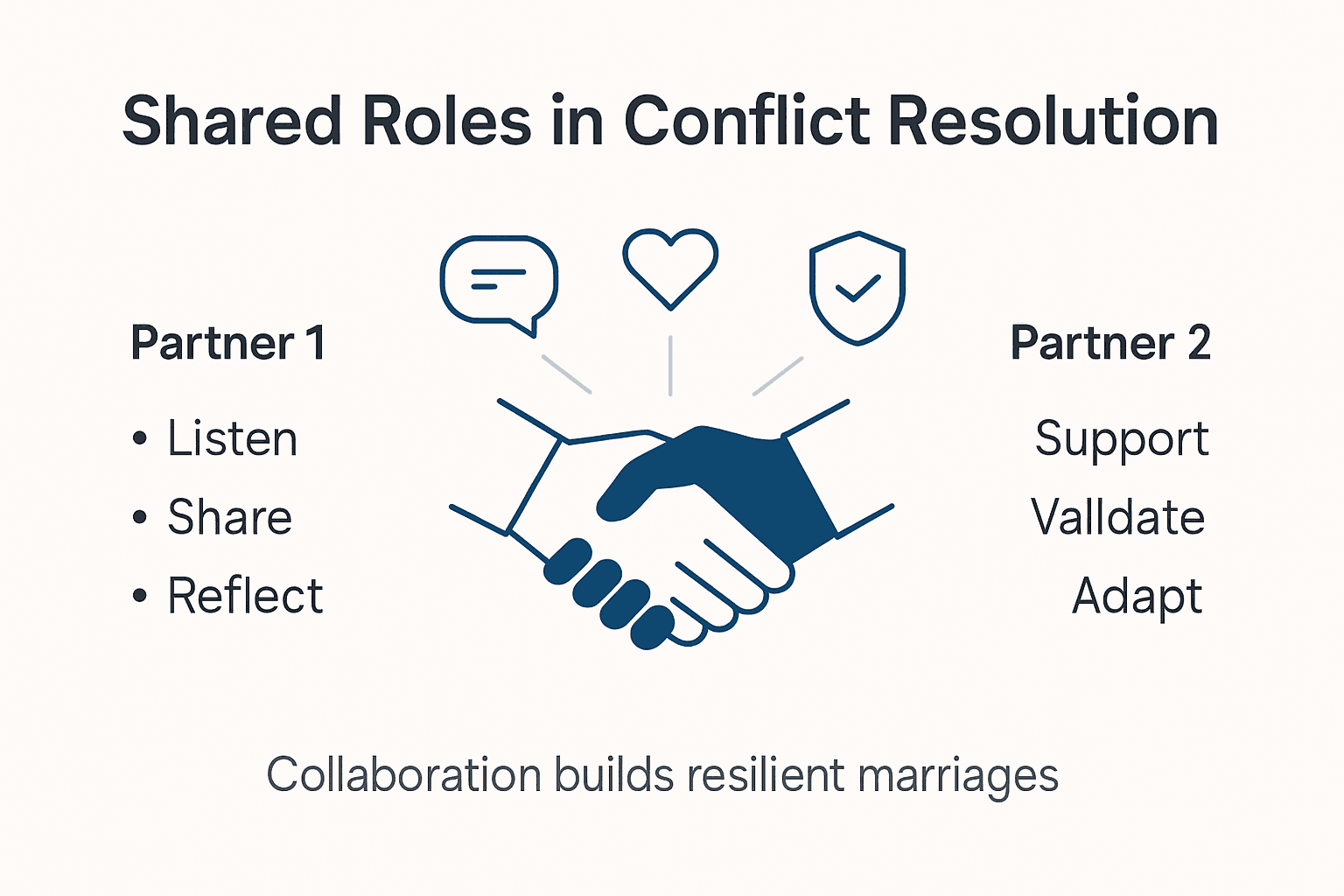
Effective conflict resolution requires mutual commitment where both partners actively participate in creating a healthy relationship dynamic. Each individual brings unique communication styles, emotional patterns, and personal histories that significantly influence how conflicts are navigated and resolved. Understanding and embracing specific roles becomes crucial in transforming potential relationship challenges into opportunities for deeper connection and mutual growth.
The responsibilities of each partner extend beyond simple task division. Emotional accountability demands that individuals recognize their own triggers, communication patterns, and potential defensive mechanisms. This involves developing self-awareness about how personal attachment styles, past experiences, and emotional reactions contribute to relationship dynamics. Partners must cultivate the ability to listen empathetically, communicate vulnerabilities, and take responsibility for their emotional responses without blaming or withdrawing.
Collaborative problem solving represents a critical shared responsibility in relationship management. This requires both individuals to actively engage in identifying issues, brainstorming potential solutions, and creating actionable plans. Each partner must commit to maintaining open communication, practicing emotional regulation, and demonstrating a genuine willingness to understand their partner’s perspective. The goal is not to win arguments but to create a supportive environment where both individuals feel heard, respected, and valued.
Pro tip: Create a monthly relationship check-in ritual where you both discuss personal growth, relationship challenges, and collaborative goals without judgment or defensiveness.
Common Mistakes and Safety Concerns
Conflict resolution requires careful navigation of complex interpersonal dynamics, with couples frequently encountering potential pitfalls that can escalate tensions or undermine relationship health. Recognizing and understanding these common mistakes becomes crucial for maintaining emotional safety and constructive communication. Typical errors often emerge from ingrained communication patterns, unresolved emotional wounds, and ineffective conflict management strategies that can inadvertently create more distance between partners.
Some of the most destructive mistakes include persistent avoidance, emotional withdrawal, and aggressive communication styles. Defensive communication typically manifests through tactics like stonewalling, constant criticism, or returning to past conflicts instead of addressing current issues. Partners may unconsciously develop protective mechanisms that actually prevent meaningful dialogue, such as interrupting, dismissing their partner’s feelings, or escalating conversations into unproductive arguments that focus on winning rather than understanding.
Comprehensive safety assessments are critical in conflict resolution approaches, particularly when underlying dynamics involve power imbalances, emotional manipulation, or potential intimate partner violence. Professional therapists emphasize the importance of screening for control tactics, intimidation, and subtle forms of emotional abuse that might not be immediately apparent. Some conflict scenarios require individual interventions or specialized therapeutic approaches to ensure the physical and emotional safety of both partners, recognizing that not all relationship challenges can be addressed through traditional couples counseling.
Pro tip: Establish clear personal boundaries and develop a shared understanding of what constitutes respectful communication, creating a mutual commitment to emotional safety and mutual growth.
Alternative Solutions and When to Seek Help
Recognizing when standard conflict resolution strategies are insufficient represents a critical milestone in maintaining relationship health. Many couples reach points where traditional communication approaches no longer effectively address underlying relationship challenges. Alternative solutions provide structured pathways to navigate complex interpersonal dynamics, offering hope and practical strategies for partners struggling to connect meaningfully.
This table highlights when to seek professional help versus try self-management strategies:
| Situation | Self-Management Best | Professional Help Needed |
|---|---|---|
| Occasional disagreements | Yes | Not necessary |
| Recurring unresolved arguments | Sometimes | Recommended |
| Emotional or physical safety concerns | Never | Always required |
| Growing emotional distance | Sometimes | Often valuable |
Professional intervention becomes essential when communication repeatedly breaks down, emotional distance grows, or destructive patterns emerge. Couples may explore diverse alternatives such as specialized therapy models, mediation with neutral third parties, or targeted communication skill-building workshops. Some innovative approaches include digital relationship tools, interactive counseling platforms, and structured problem solving exercises designed to rebuild connection and mutual understanding. These interventions focus not just on resolving immediate conflicts but on developing long term relational resilience.
Professional support strategies offer comprehensive approaches for couples facing persistent challenges. Warning signs indicating the need for external help include consistent communication breakdowns, recurring unresolved conflicts, diminishing emotional intimacy, and situations involving potential emotional or physical safety risks. Qualified therapists can provide tailored interventions that address unique relationship dynamics, helping couples develop healthier communication patterns, understand underlying emotional triggers, and rebuild trust.
Pro tip: Schedule an initial consultation with a relationship professional when you notice persistent communication challenges, treating it as a proactive investment in your relationship’s long-term health.
Strengthen Your Marriage with Expert Conflict Resolution Support
The challenges of managing recurring conflict patterns and emotional triggers in your marriage can feel overwhelming. This article highlights how understanding attachment styles and practicing collaborative problem solving are key steps toward healthier communication and lasting connection. If you are seeking evidence-based strategies to break destructive cycles and rebuild trust, our couples therapy services are designed to guide you through these exact challenges.
Take control of your relationship’s future by engaging with professional counseling tailored to your unique dynamics. Visit Mastering Conflict today to explore how personalized therapy and coaching can help you develop vital skills such as active listening, emotional regulation, and empathy. Don’t wait until conflicts escalate. Start creating a resilient, loving partnership now by scheduling a consultation with Dr. Carlos Todd and our expert team.
Frequently Asked Questions
What is conflict resolution in relationships?
Conflict resolution is an interpersonal process where couples manage disagreements and communication challenges to maintain harmony. It involves constructive strategies to address differences, recognizing that some level of conflict is natural in any relationship.
What are common patterns of conflict in marriages?
Common conflict patterns often stem from attachment styles and emotional triggers. Couples may experience recurring issues related to themes like financial management, household responsibilities, or intimacy, which can lead to chronic conflicts if left unaddressed.
When should couples seek professional help for conflict resolution?
Couples should consider professional help when communication repeatedly breaks down, emotional distance increases, or when there are safety concerns. Seeking professional guidance can help couples develop healthier communication patterns and address persistent challenges effectively.
How can couples effectively manage conflicts?
Couples can manage conflicts effectively by practicing active listening, showing empathy, and engaging in collaborative problem solving. Developing skills such as emotional regulation and nonviolent communication is also crucial for fostering a constructive relationship dynamic.
Recommended
- How to Deal With Parenting Conflicts
- 21 Ways to Control Anger in a Relationship
- Effective Conflict Resolution Steps for Couples, Families, and Professionals 2025 – Mastering Conflict
- Conflict Resolution for Couples: Practical Strategies for 2025 – Mastering Conflict
- How to Cope with Panic and Stress| Heske Therapy