
Conflict Resolution Skills for Teens: Building Healthy Relationships

An estimated seventy percent of American teens face regular conflicts with peers, family, or teachers, yet few feel confident about resolving them effectively. Understanding conflict resolution skills matters because how young people handle arguments today shapes their future relationships and self-esteem. This guide breaks down research-backed strategies designed to help American teens turn stressful disagreements into real opportunities for connection, stronger communication, and long-term personal growth.
Table of Contents
- Core Conflict Resolution Skills Explained
- Types of Conflicts Teens Commonly Face
- Essential Strategies for Resolving Disputes
- Role of Communication and Emotional Control
- Common Mistakes and How to Avoid Them
Key Takeaways
| Point | Details |
|---|---|
| Core Conflict Skills | Teens should focus on active listening, emotional regulation, and constructive communication to improve conflict resolution. |
| Types of Conflicts | Common conflicts arise from social relationships, family dynamics, and academic pressures, each requiring tailored strategies. |
| Avoiding Mistakes | Recognizing and avoiding emotional escalation and communication missteps can enhance conflict resolution efforts. |
| Practical Strategies | Regular practice through role-playing and reflective journaling can develop essential skills for managing conflicts effectively. |
Core Conflict Resolution Skills Explained
Teen conflict resolution demands strategic communication techniques that transform challenging interactions into opportunities for growth and understanding. While many young people view disagreements as threatening, skilled conflict management actually opens pathways to deeper connections and mutual respect. Rehearsal systems designed for conflict practice demonstrate how intentional skill development can dramatically improve interpersonal interactions.
The core conflict resolution skills for teens center around three fundamental pillars: active listening, emotional regulation, and constructive communication. Active listening requires fully concentrating on what someone is saying without interrupting, preparing your response, or becoming defensive. This means hearing not just words, but understanding the emotions and perspectives behind them. Emotional regulation involves recognizing your own feelings, managing impulses, and responding thoughtfully rather than reactively.
Constructive communication encompasses several critical techniques. These include using “I” statements to express feelings without blame, asking clarifying questions to ensure understanding, and seeking collaborative solutions that respect both parties’ perspectives. Engaging activities that simulate conflict scenarios can help teens practice these skills in safe, supportive environments, building confidence and competence in real-world interactions.
Pro Tip – Practice Before Conflict Strikes: Regularly role-play challenging conversations with trusted friends or family members to build muscle memory for calm, respectful communication before actual conflicts emerge.
Types of Conflicts Teens Commonly Face
Common conflict scenarios in adolescence reveal complex interpersonal challenges that shape teenage social experiences. Teens navigate multiple domains of potential conflict, each presenting unique emotional and communication obstacles that can significantly impact their psychological development and relationship skills. Understanding these conflict types helps young people develop more effective strategies for managing interpersonal tensions.
Teen conflicts typically emerge across three primary domains: social relationships, family dynamics, and academic environments. Social conflicts often involve peer pressure, social status competitions, romantic relationship difficulties, and navigating complex friend group interactions. Teenage social circles can become pressure cookers of emotional intensity, where small misunderstandings can quickly escalate into major confrontations. These conflicts frequently stem from identity formation, desire for acceptance, and emerging social hierarchies.
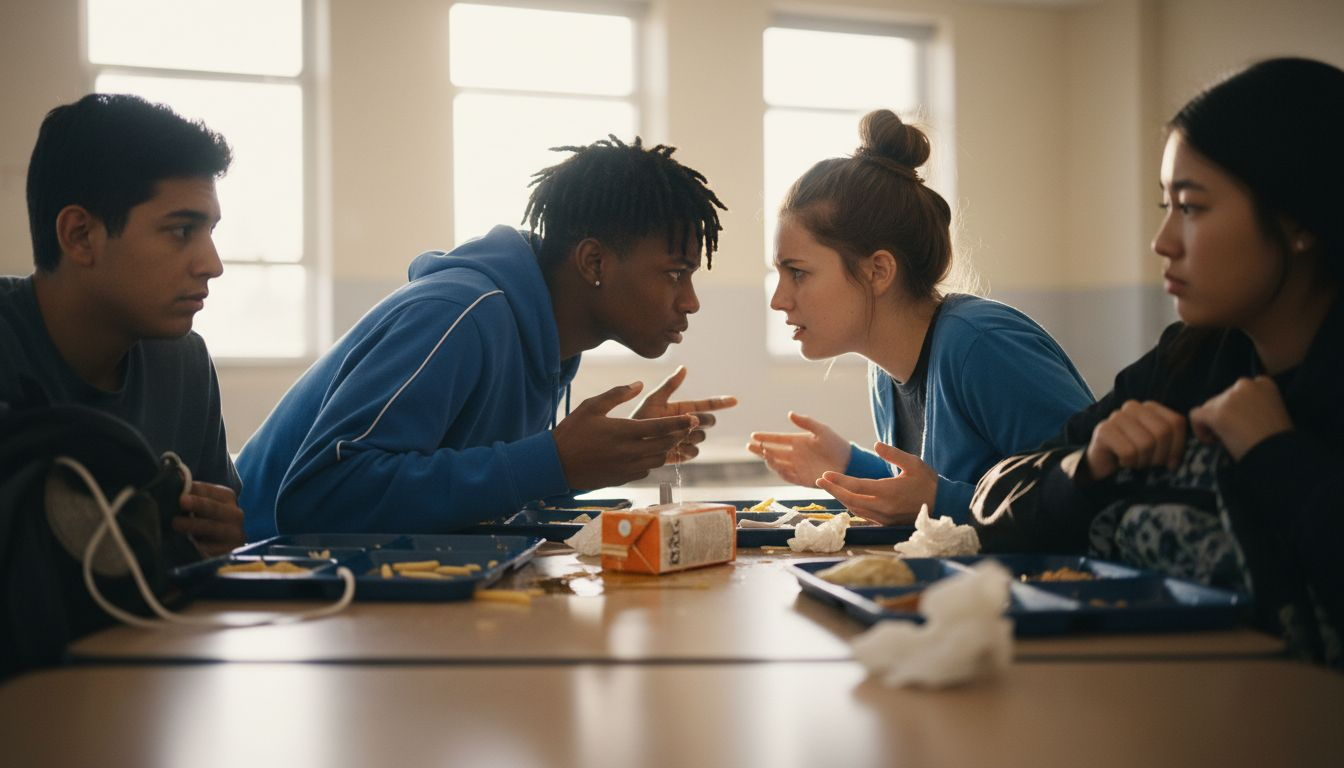
Family and academic conflicts represent additional significant challenge areas. Typical conflict triggers include parental boundary negotiations, academic performance expectations, and personal autonomy struggles. Within families, teens often battle for increased independence while parents simultaneously seek to maintain guidance and protection. Academic environments introduce performance-related tensions, including competition for grades, teacher interactions, and managing workload expectations that can create substantial psychological strain.
Here’s a summary comparing the three main domains of teen conflict:
| Conflict Domain | Typical Triggers | Unique Challenges |
|---|---|---|
| Social | Peer pressure, group dynamics | Navigating social hierarchy |
| Family | Independence vs. parental control | Balancing freedom and boundaries |
| Academic | Grades, workload expectations | Coping with performance pressure |
Pro Tip – Conflict Mapping: Create a personal “conflict journal” to track recurring conflict patterns, identifying your specific triggers and emotional responses to develop more intentional communication strategies.
Essential Strategies for Resolving Disputes
Successful conflict resolution requires a strategic approach that transforms potential confrontations into opportunities for understanding and growth. Practical communication techniques can help teens navigate complex interpersonal challenges by providing structured methods for addressing disagreements constructively. The most effective strategies focus on emotional intelligence, clear communication, and collaborative problem-solving.
Active listening stands as the cornerstone of dispute resolution. This skill involves fully engaging with the other person’s perspective, suspending judgment, and demonstrating genuine understanding. Teens must learn to hear not just words, but the underlying emotions and needs driving the conversation. Key components include maintaining eye contact, avoiding interruptions, and reflecting back what you’ve heard to confirm understanding. Nonverbal communication plays a crucial role, with body language and tone often communicating more than spoken words.
Constructive communication techniques provide a framework for addressing conflicts productively. These include using “I” statements to express feelings without blame, asking clarifying questions, and seeking collaborative solutions. Emotional regulation is equally critical, requiring teens to recognize their own emotional triggers and manage reactive responses. Techniques like deep breathing, taking a momentary pause before responding, and maintaining a calm demeanor can prevent conflicts from escalating into more serious confrontations.
Pro Tip – Emotional Pause Button: Develop a personal “timeout” strategy where you consciously pause and take three deep breaths before responding during heated moments, giving yourself space to choose a thoughtful response over an impulsive reaction.
Role of Communication and Emotional Control
Building healthy relationship skills requires a sophisticated understanding of communication dynamics and emotional intelligence. Communication serves as the fundamental bridge between individual experiences, allowing teens to transform potential conflicts into opportunities for mutual understanding and growth. Emotional control acts as the critical regulatory mechanism that determines whether interactions remain constructive or deteriorate into unproductive arguments.
Emotional regulation represents a complex set of skills that enable individuals to recognize, understand, and manage their internal emotional landscape. This involves developing self-awareness about personal triggers, learning to pause before reacting, and consciously choosing responses that align with desired relationship outcomes. Teens who master emotional control can navigate challenging conversations with greater resilience, maintaining composure even when confronted with intense or provocative situations.
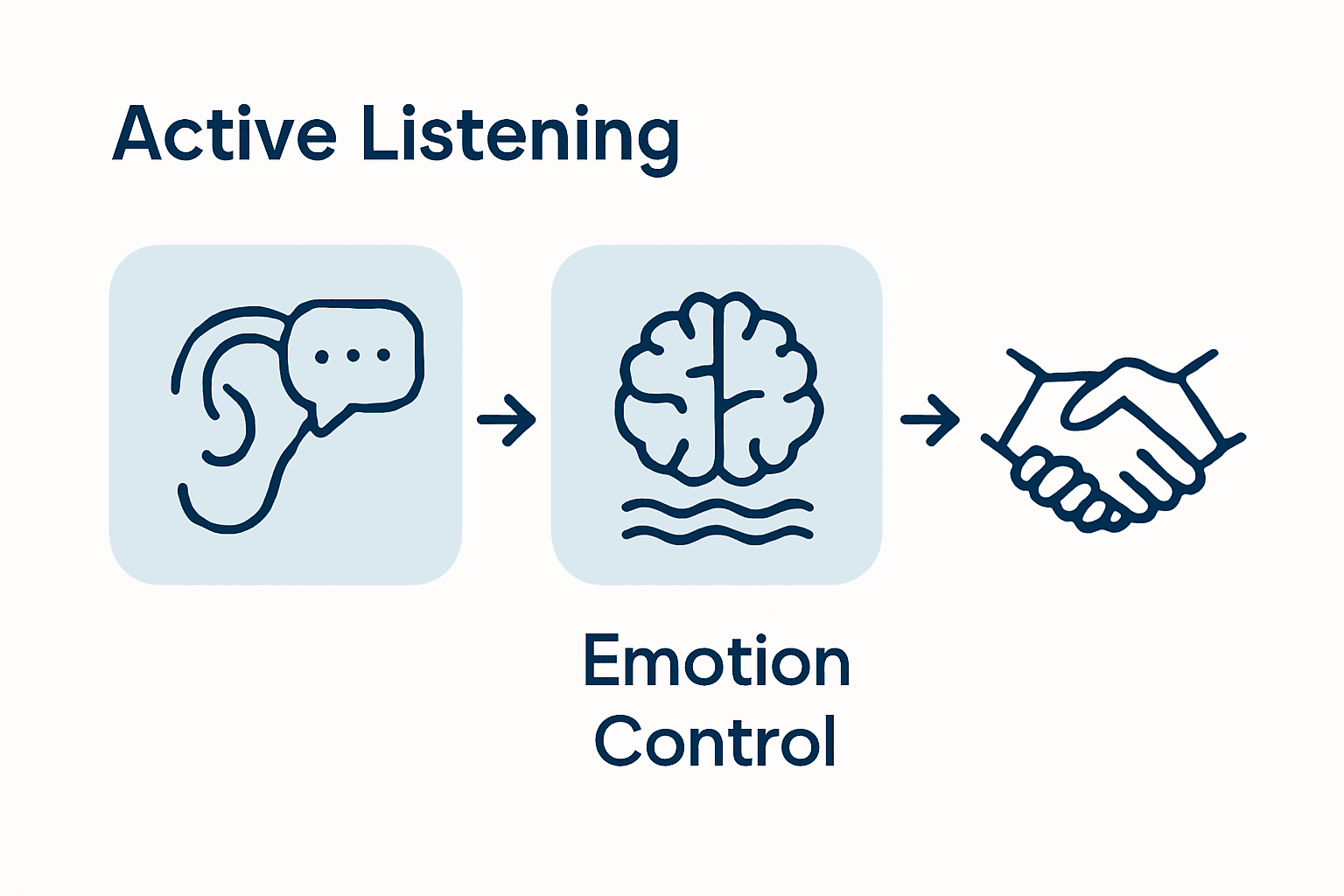
Effective communication goes beyond merely exchanging words. It encompasses active listening, empathetic understanding, and the ability to express thoughts and feelings clearly and respectfully. Nonverbal communication plays an equally significant role, with body language, tone of voice, and facial expressions often communicating more than verbal statements. Successful communicators learn to synchronize their verbal and nonverbal signals, creating a holistic approach to interpersonal interactions that promotes trust and mutual understanding.
Pro Tip – Emotional Awareness Journal: Create a daily reflection practice where you document emotional triggers, your immediate reactions, and more intentional alternative responses, helping you gradually develop greater emotional intelligence and communication skills.
Common Mistakes and How to Avoid Them
Conflict resolution strategies for teens require understanding and avoiding common communication pitfalls that can transform minor disagreements into significant interpersonal challenges. Many teens unknowingly escalate conflicts through reactive behaviors, communication missteps, and emotional mismanagement. Recognizing these patterns is the first critical step toward developing more effective conflict resolution skills.
Emotional escalation represents one of the most destructive mistakes teens make during conflicts. This occurs when individuals allow their emotions to spiral out of control, responding with increasing intensity and losing sight of the original issue. Common manifestations include raising voice volume, using inflammatory language, making personal attacks, and engaging in defensive behaviors that prevent genuine understanding. Successful conflict resolution demands maintaining emotional composure, speaking calmly, and focusing on the specific problem rather than attacking the person.
Communication mistakes frequently undermine conflict resolution efforts. These include interrupting the other person, making assumptions about their intentions, refusing to listen actively, and becoming defensive instead of seeking mutual understanding. Nonverbal communication errors such as aggressive body language, rolling eyes, crossing arms, or turning away can communicate dismissiveness and hostility even when verbal messages attempt to appear cooperative. Teens must learn to synchronize their verbal and nonverbal communication, creating an environment of respect and openness that facilitates genuine dialogue.
This table outlines common conflict mistakes and how to prevent them:
| Mistake Type | Description | How to Avoid |
|---|---|---|
| Emotional Escalation | Allowing emotions to spiral out | Pause and take deep breaths |
| Interruptions | Cutting off others mid-sentence | Practice patient, active listening |
| Defensive Responses | Reacting protectively, not listening | Focus on understanding, not blame |
| Aggressive Signals | Hostile body language or tone | Maintain relaxed, open posture |
Pro Tip – Pause and Reflect: Before responding during a heated moment, take a deep breath and mentally ask yourself, “What is my real goal in this conversation?” This simple technique can help you reset your emotional state and choose a more constructive approach.
Empower Teen Conflict Resolution Skills with Professional Support
Conflict resolution for teens is critical for building healthy relationships and managing emotional triggers like frustration and misunderstandings. This article highlights key challenges such as emotional regulation, active listening, and constructive communication that teens often struggle with during social, family, or academic conflicts. If your teen faces difficulty navigating these complex interactions or if emotional escalation too often undermines peace at home or school, professional guidance can make a meaningful difference.

Take the next step to empower your teen with evidence-based conflict resolution strategies through personalized services at Mastering Conflict. Whether you are interested in individual therapy, anger management classes, or family counseling, our expert clinicians help teens develop emotional control and communication skills that last a lifetime. Visit https://masteringconflict.com today and explore how our targeted programs can transform conflict into growth and connection.
Frequently Asked Questions
What are the key conflict resolution skills for teens?
The core conflict resolution skills for teens include active listening, emotional regulation, and constructive communication. These skills help transform disagreements into opportunities for understanding and growth.
How can I practice active listening?
To practice active listening, focus on fully concentrating on the speaker, avoid interruptions, and reflect back what you’ve heard to confirm understanding. Maintaining eye contact and using open body language also enhances the listening experience.
How can teens manage their emotions during conflicts?
Teens can manage their emotions during conflicts by recognizing their triggers, using techniques like deep breathing or taking a timeout before responding, and striving to maintain a calm demeanor to prevent escalation.
What role does communication play in conflict resolution?
Communication is critical in conflict resolution as it fosters mutual understanding. It involves not just verbal messages but also nonverbal cues like body language. Effective communication helps clarify feelings and perspectives, promoting healthier conflict interactions.
Recommended
- How to Deal With Parenting Conflicts
- 21 Ways to Control Anger in a Relationship
- Effective Conflict Resolution Steps for Couples, Families, and Professionals 2025 – Mastering Conflict
- 7 Clear Signs of Healthy Relationships for Lasting Happiness – Mastering Conflict
- How to Handle Team Conflict: Resolve Issues Effectively – Hoop Mentality