
Emotional Regulation: Building Resilience in Relationships

Most American adults encounter moments when emotions seem almost impossible to manage, and over 60 percent admit they have trouble handling stress effectively. Understanding emotional regulation is crucial because it shapes relationships, personal well-being, and success at work. This guide breaks down the science, uncovers popular myths, and shows how real emotional self-control can transform everyday American life in ways both practical and profound.
Table of Contents
- Emotional Regulation Defined And Debunked
- Core Processes In Emotional Self-Control
- Variations Across Age, Gender, And Culture
- Everyday Benefits And Clinical Applications
- Common Challenges And Mistakes To Avoid
Key Takeaways
| Point | Details |
|---|---|
| Understanding Emotional Regulation | It is the process of managing emotional responses, not merely suppressing them, and involves self-awareness and cognitive strategies. |
| Impact of Age, Gender, and Culture | Emotional regulation experiences vary greatly due to different cultural backgrounds, personality traits, and socialization processes. |
| Everyday and Clinical Benefits | Effective emotional regulation improves interpersonal relationships, workplace performance, and is crucial for managing chronic health conditions. |
| Common Pitfalls to Avoid | Avoid strategies like expressive suppression and reactive responses, which can hinder emotional growth and lead to increased stress. |
Emotional Regulation Defined And Debunked
Emotional regulation represents a sophisticated psychological process involving our capacity to manage, respond to, and navigate complex emotional experiences. At its core, it is about understanding how we interact with our internal emotional landscape and strategically guiding our emotional responses. Researchers define emotional regulation as the adaptive capacity to influence which emotions we have, when we have them, and how we experience and express these emotions.
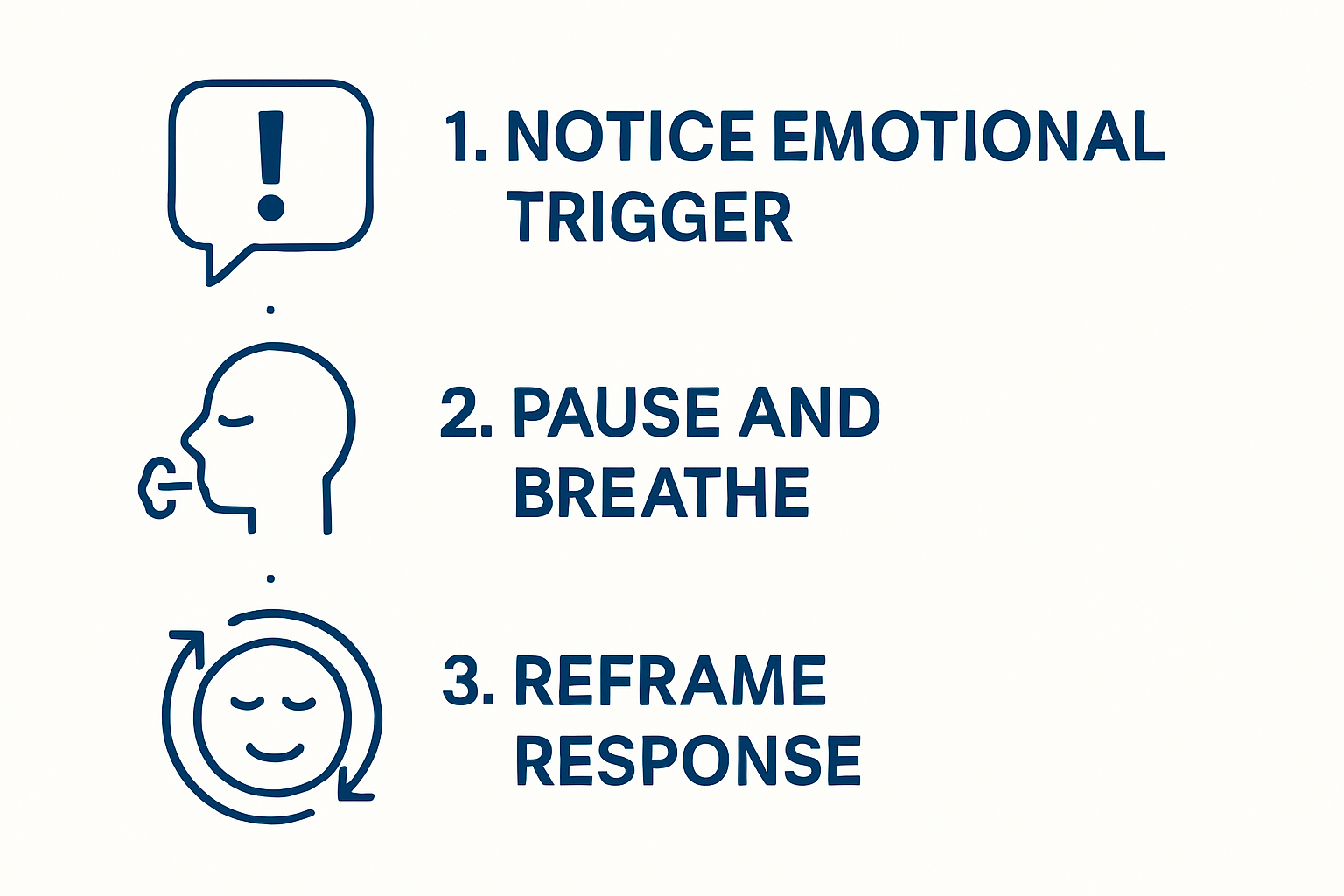
Understanding emotional regulation requires recognizing it as more than simply controlling feelings. It is an intricate process of recognizing, interpreting, and responding to emotional stimuli in ways that align with our personal goals and social contexts. Cognitive reappraisal emerges as a key strategy where individuals consciously reframe emotional experiences to modify their emotional impact. This might involve transforming a potentially distressing situation into an opportunity for growth or perspective shift.
Contrary to popular misconceptions, emotional regulation is not about suppressing or eliminating emotions. Instead, it involves developing a nuanced relationship with our feelings. Healthy emotional regulation means acknowledging emotions without being overwhelmed by them, understanding their underlying messages, and choosing responses that support our well-being. When practiced effectively, emotional regulation becomes a powerful tool for personal resilience, enabling individuals to navigate complex interpersonal dynamics with greater ease and emotional intelligence.
Key aspects of emotional regulation include:
- Self-awareness of emotional states
- Ability to tolerate uncomfortable emotions
- Skill in modulating emotional intensity
- Capacity to redirect emotional energy constructively
- Understanding emotional triggers and patterns
Core Processes In Emotional Self-Control
Emotional self-control involves a complex set of cognitive and neurological processes that enable individuals to manage their emotional responses effectively. Neural mechanisms underlying emotion regulation reveal sophisticated pathways through which our brain processes, interprets, and modulates emotional experiences. These mechanisms are not simply about suppressing emotions, but about developing a nuanced approach to understanding and directing our emotional energy.

Central to emotional self-control are strategies like cognitive reappraisal, which involves consciously reframing emotional situations to alter their psychological impact. Research connecting mindfulness, self-control, and working memory demonstrates how these cognitive processes work together to enhance our ability to respond to emotional stimuli strategically. When individuals develop strong working memory and mindfulness skills, they become more adept at recognizing emotional triggers and choosing measured responses.
The core processes of emotional self-control extend beyond individual cognitive strategies to include broader psychological skills. These include emotional awareness, impulse management, stress tolerance, and the ability to redirect emotional energy constructively. Developing these skills requires consistent practice, self-reflection, and a willingness to approach emotions with curiosity rather than judgment. Anger management techniques can provide practical tools for individuals seeking to improve their emotional regulation capabilities.
Key components of emotional self-control include:
- Recognizing emotional patterns and triggers
- Developing resilience under emotional stress
- Practicing mindful response instead of reactive behavior
- Cultivating empathy and emotional intelligence
- Learning to pause and assess before responding
Variations Across Age, Gender, And Culture
Emotional regulation is not a uniform experience, but a dynamic process that varies significantly across different demographic contexts. Research investigating self-control and emotional processing reveals profound differences in how individuals from various cultural backgrounds approach and manage their emotional experiences. These variations are deeply rooted in social conditioning, personal experiences, and cultural norms that shape emotional expression and regulation strategies.
Personality traits play a critical role in emotion regulation, particularly during developmental stages like adolescence. Different personality dimensions such as extraversion and emotional stability significantly influence how individuals process and respond to emotional stimuli. For instance, more extroverted individuals might have different emotional regulation mechanisms compared to those who are more introverted, with variations in how they express and manage their feelings across different social contexts.
Cultural and gender differences emerge as particularly significant factors in emotional self-control. Some cultures emphasize emotional restraint, while others encourage more open emotional expression. Gender socialization also plays a crucial role, with traditional expectations often dictating different emotional regulation strategies for men and women. Anger management techniques can help individuals navigate these complex social and cultural expectations more effectively.
Key insights into emotional regulation variations include:
- Age-related changes in emotional processing capabilities
- Cultural differences in emotional expression norms
- Gender-specific emotional regulation strategies
- Impact of personality traits on emotional responses
- Developmental influences on emotional self-control
Everyday Benefits And Clinical Applications
Emotional regulation transcends theoretical concepts, offering tangible benefits in everyday life and critical clinical interventions. Innovative research exploring interactions with social technology demonstrates how cognitive reappraisal techniques can significantly improve mood and self-regulation, revealing practical applications that extend beyond traditional therapeutic approaches. These strategies provide individuals with powerful tools to manage emotional experiences more effectively.
Clinical studies investigating emotional processing highlight profound connections between emotional self-control and physical health management. For individuals managing chronic conditions like diabetes, emotional regulation becomes more than a psychological skill—it’s a crucial component of comprehensive health maintenance. By developing robust emotional regulation strategies, patients can better navigate the psychological challenges associated with long-term medical care.
The everyday benefits of emotional regulation are equally remarkable, touching nearly every aspect of personal and professional life. Benefits of anger management extend far beyond immediate conflict resolution, contributing to improved relationships, enhanced workplace performance, and greater overall mental well-being. Individuals who master emotional self-control report lower stress levels, more meaningful interpersonal connections, and a greater sense of personal empowerment.
Key practical applications of emotional regulation include:
- Improving interpersonal communication
- Reducing workplace and relationship conflicts
- Managing chronic health conditions more effectively
- Enhancing personal resilience and mental health
- Developing more adaptive coping mechanisms
Common Challenges And Mistakes To Avoid
Emotional regulation is a nuanced skill that requires careful navigation, with several common pitfalls that can undermine personal growth. Expressive suppression represents a problematic emotion regulation strategy that can dramatically increase physiological stress responses and compromise overall emotional well-being. Individuals often mistakenly believe that pushing down or ignoring difficult emotions will make them disappear, when in fact, this approach typically intensifies emotional turbulence.
Ironic process theory reveals a critical challenge in emotional self-control: the more aggressively we attempt to suppress unwanted thoughts or feelings, the more prominent and disruptive they become. This counterintuitive phenomenon demonstrates why direct confrontation and suppression are ineffective emotional regulation techniques. Instead, developing mindful awareness and acceptance provides a more sustainable approach to managing complex emotional experiences.
Navigating emotional regulation requires understanding and avoiding key mistakes that can derail personal progress. Anger management techniques can help individuals recognize and interrupt destructive emotional patterns before they escalate. Successful emotional regulation is not about eliminating emotions, but about developing a compassionate, strategic relationship with our internal experiences that allows for greater resilience and personal growth.
Common challenges in emotional regulation include:
- Attempting to completely suppress negative emotions
- Misinterpreting emotional responses as weakness
- Avoiding emotional discomfort
- Responding reactively without self-reflection
- Believing emotions can be controlled through willpower alone
Strengthen Your Emotional Regulation and Rebuild Resilience in Your Relationships
Emotional regulation is a powerful skill that helps you navigate complex feelings and reduce conflicts in your personal life. If you find yourself struggling with managing emotional triggers or reacting impulsively during moments of stress, you are not alone. Many people desire greater self-awareness and the ability to respond thoughtfully instead of reacting impulsively. Whether you want to improve how you handle anger, reduce relationship tensions, or develop lasting resilience, Mastering Conflict offers proven tools and expert guidance tailored to your needs.

Take control of your emotional health now by exploring practical strategies like cognitive reappraisal and mindfulness through our specialized anger management classes, individual and couples therapy, and coaching programs. These services are designed to help you build emotional self-control, navigate triggers thoughtfully, and create healthier connections with loved ones. Visit Mastering Conflict today to begin your journey toward lasting emotional balance and stronger relationships.
Frequently Asked Questions
What is emotional regulation?
Emotional regulation is the psychological process of managing and responding to complex emotional experiences, involving self-awareness, understanding emotional triggers, and choosing effective responses without suppressing emotions.
How can emotional regulation improve relationships?
By enhancing emotional regulation skills, individuals can communicate more effectively, manage conflicts constructively, and respond to emotional challenges with resilience, thereby fostering healthier interpersonal connections.
What strategies can I use for better emotional regulation?
Techniques such as cognitive reappraisal, mindfulness, and emotional awareness are effective for improving emotional regulation. Practicing these strategies helps individuals navigate their emotions instead of being overwhelmed by them.
What are common mistakes to avoid in emotional regulation?
Common mistakes include trying to suppress negative emotions, misinterpreting emotional responses as weakness, and responding reactively without self-reflection. Developing a compassionate approach to emotions is crucial for effective regulation.