
How to Manage Stress Naturally for Lasting Relief

Over 75 percent of American adults report feeling stressed every month, often unsure of what truly sparks their tension. Stress triggers differ for everyone, making it vital to understand your own sources before you can manage them effectively. This guide breaks down practical steps using proven methods so you can take control, create healthier routines, and find mindful ways to reduce stress in your everyday American life.
Table of Contents
- Step 1: Identify Your Personal Stress Triggers
- Step 2: Develop Healthy Coping Techniques
- Step 3: Establish Supportive Daily Routines
- Step 4: Incorporate Mindful Relaxation Methods
- Step 5: Monitor Progress and Adjust Strategies
Quick Summary
| Essential Insight | Clear Explanation |
|---|---|
| 1. Identify Your Personal Stress Triggers | Understand specific situations or thoughts that heighten your stress through careful observation and journaling. |
| 2. Develop Healthy Coping Techniques | Create a personalized toolkit with practices like mindfulness and physical activity to enhance emotional resilience. |
| 3. Establish Supportive Daily Routines | Design routines that promote stability, prioritize self-care, and incorporate effective time management for daily tasks. |
| 4. Incorporate Mindful Relaxation Methods | Utilize methods like deep breathing and progressive muscle relaxation to calm your mind and body regularly. |
| 5. Monitor Progress and Adjust Strategies | Keep a stress diary to track your responses and make informed changes to your stress management techniques over time. |
Step 1: Identify Your Personal Stress Triggers
Understanding your unique stress triggers is the first critical step toward managing stress naturally and effectively. Everyone experiences stress differently, which means identifying what specifically sparks anxiety or tension in your life requires careful self reflection and strategic observation.
To pinpoint your personal stress triggers, start by maintaining a detailed stress journal tracking your emotional and physical responses throughout different situations. Recognize the signs of stress by documenting when you experience increased heart rate, muscle tension, irritability, or sudden mood shifts. Note the context surrounding these moments including specific events, people, environments, or thought patterns that might contribute to your stress response.
Pay special attention to both external triggers like work deadlines, financial pressures, and relationship conflicts, as well as internal triggers such as perfectionism, negative self talk, or unresolved emotional wounds. Some individuals might discover that certain times of day, specific social interactions, or recurring thought patterns consistently elevate their stress levels. The goal is not just to identify these triggers but to develop a compassionate understanding of how they impact your overall wellbeing.
Remember that recognizing your stress triggers is a powerful act of self awareness. By carefully observing and documenting your responses, you are taking the first meaningful step toward developing personalized strategies for natural stress management and emotional regulation.
Step 2: Develop Healthy Coping Techniques
Building effective stress management strategies requires intentional practice and a multifaceted approach to emotional regulation. Your goal in this step is to create a personalized toolkit of techniques that help you respond to stress with resilience and self compassion.
Start by implementing anger management exercises that support emotional balance. Research suggests several evidence based techniques for stress reduction, including practicing mindfulness meditation, engaging in regular physical activity, and establishing consistent sleep patterns. Maintaining a healthy diet and creating structured time management approaches can also significantly reduce your physiological stress response.
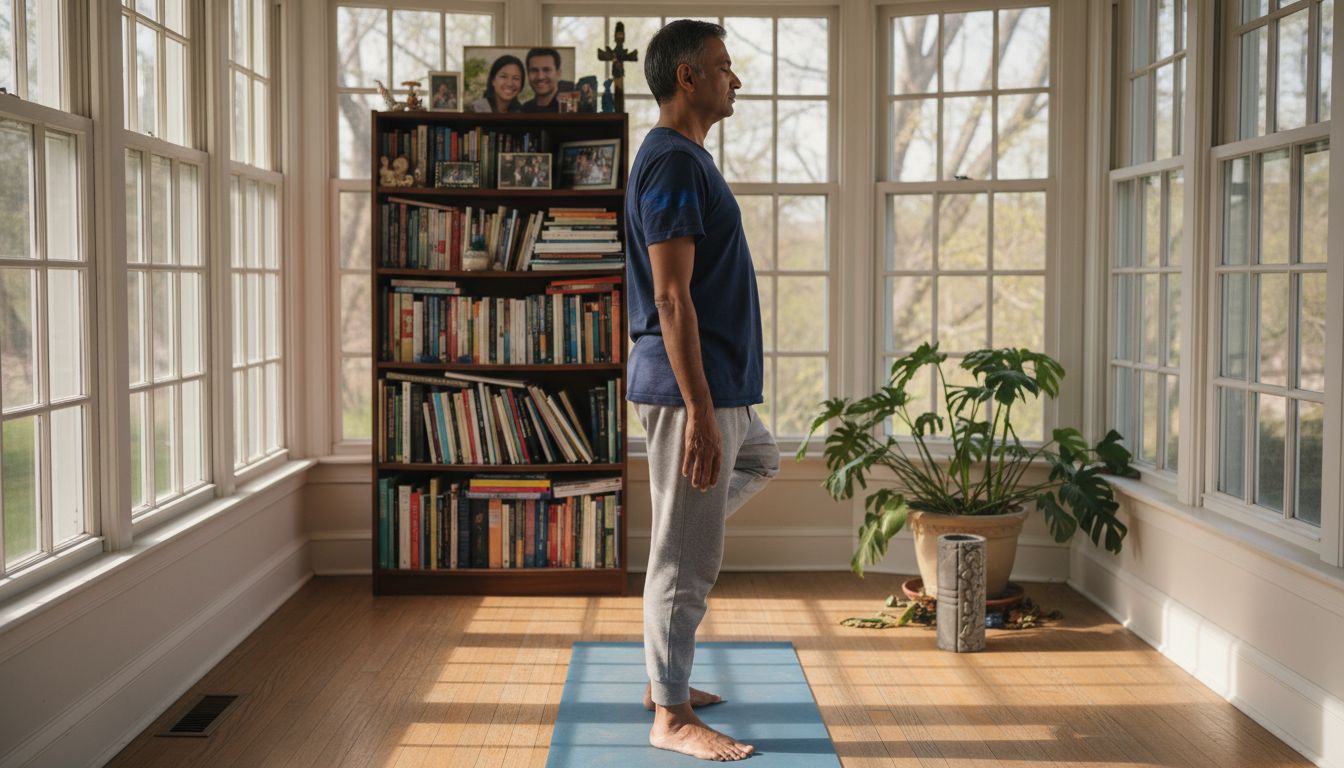
Physical movement serves as a powerful stress relief mechanism. Incorporate activities like yoga, walking, swimming, or strength training into your routine. These exercises not only release endorphins but also provide a constructive outlet for accumulated tension. Additionally, consider developing relaxation techniques such as deep breathing exercises, progressive muscle relaxation, or guided imagery that can help interrupt stress cycles and promote emotional equilibrium.
Remember that developing healthy coping techniques is an ongoing journey of self discovery. Be patient with yourself as you experiment with different strategies, recognizing that what works for one person might not work perfectly for another. Your commitment to exploring and practicing these techniques is the most important step toward sustainable stress management.
Step 3: Establish Supportive Daily Routines
Building a structured daily routine is fundamental to managing stress effectively and creating a sense of stability in your life. Your objective is to design a personalized framework that promotes emotional balance, productivity, and overall wellbeing.
Time management strategies are crucial for reducing daily stress and creating predictability. Begin by establishing a consistent sleep schedule that ensures you get 7 to 9 hours of quality rest each night. Maintaining realistic expectations about your daily responsibilities can help prevent overwhelm and reduce unnecessary psychological pressure.
Prioritize creating morning and evening routines that support your mental and physical health. This might include activities like meditation, journaling, light exercise, or preparing a nutritious breakfast. Set clear boundaries between work and personal time, and build in regular breaks throughout your day to prevent burnout. Consider using tools like digital calendars or planners to track your commitments and create a sense of structure.
Remember that establishing supportive daily routines is a flexible process. Be patient with yourself as you experiment and adjust your approach. What works perfectly one week might need modification the next. The key is maintaining consistent effort while remaining adaptable to your changing needs and circumstances.
Step 4: Incorporate Mindful Relaxation Methods
Mindful relaxation techniques are powerful tools for managing stress and cultivating inner peace. Your goal in this step is to develop a personalized approach to calming your mind and body through intentional practices that reduce physiological and psychological tension.
Practicing deep breathing techniques can significantly improve your body’s stress response. Begin with simple methods like diaphragmatic breathing or guided meditation that help reset your nervous system. Progressive muscle relaxation offers another effective strategy where you systematically tense and release muscle groups to release physical and emotional stress. Experiment with different techniques to find what resonates most with your personal comfort level and lifestyle.
Consider creating a dedicated relaxation space in your home that supports mindfulness practice. This could be a quiet corner with comfortable seating, soft lighting, or calming visual elements that signal to your brain it is time to unwind. Integrate short 5 to 10 minute mindfulness sessions into your daily routine most likely during morning or evening hours when you can minimize interruptions. Remember that consistency matters more than duration your initial goal is to build a sustainable habit that becomes a natural part of your stress management toolkit.
Ultimately mindful relaxation is a skill that improves with practice. Be patient and compassionate with yourself as you explore different techniques recognizing that finding your ideal approach is a personal journey of self discovery.
Step 5: Monitor Progress and Adjust Strategies
Tracking your stress management journey is crucial for understanding what works best and making meaningful improvements. Your objective in this final step is to develop a reflective approach that allows you to assess your progress and fine tune your stress reduction techniques.
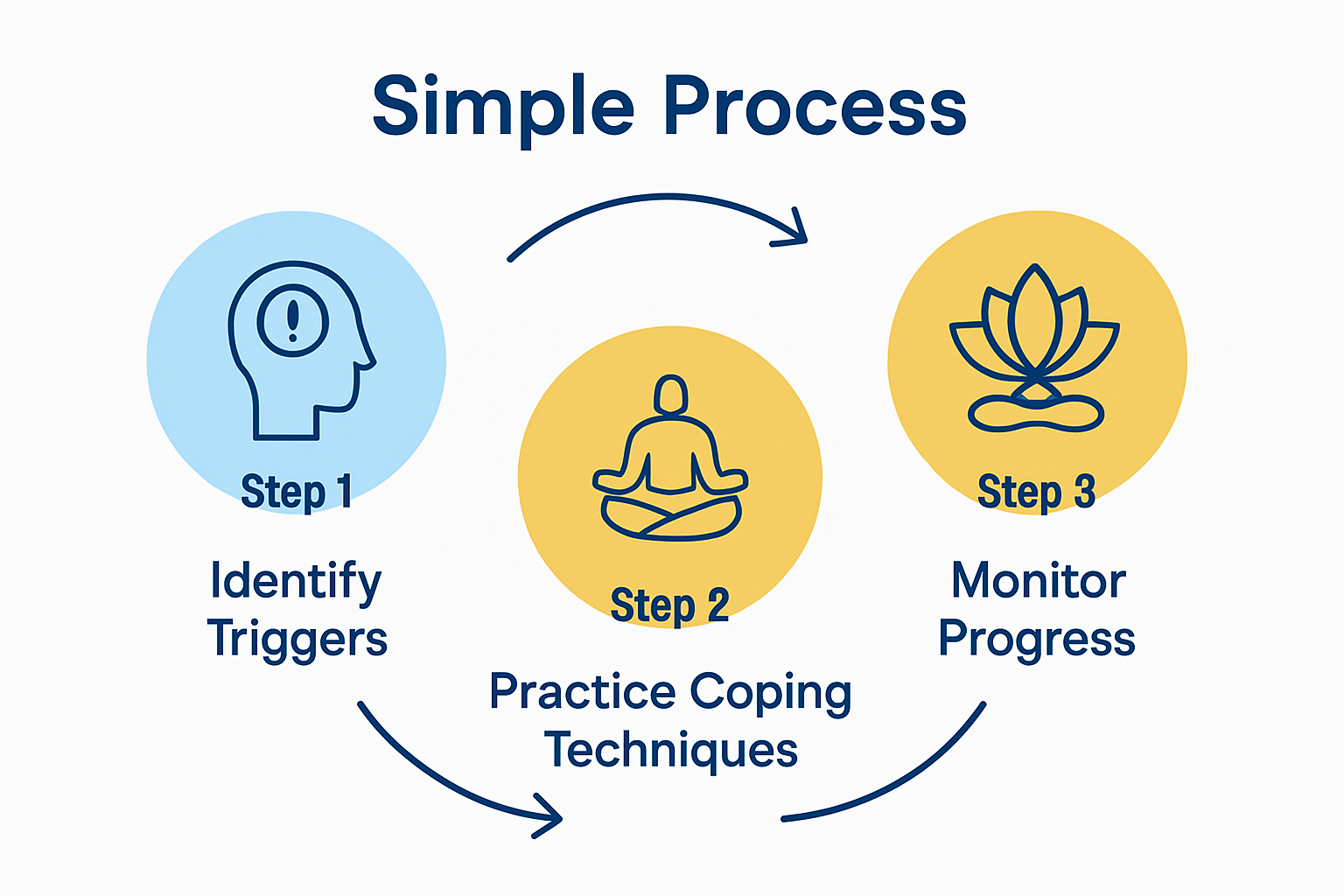
Maintaining a stress diary provides powerful insights into your emotional patterns and triggers. Document your daily stress levels, specific situations that cause tension, and the coping strategies you employ. Pay attention to both successful and challenging moments noting how different techniques impact your overall wellbeing. Create a simple rating system perhaps using a 1 to 10 scale to quantify your stress and emotional responses.
Regular self assessment helps you identify trends and make informed adjustments to your stress management approach. Review your stress diary every two to four weeks to recognize emerging patterns or persistent challenges. Be open to experimenting with new techniques or modifying existing ones based on your observations. Some strategies might work wonderfully for a few weeks and then lose effectiveness. This is normal. Your stress management toolkit should be dynamic and responsive to your changing life circumstances.
Remember that progress is not linear. Some weeks you will feel more balanced while others might feel more challenging. The key is maintaining a compassionate and curious attitude toward your personal growth. Celebrate small victories and view setbacks as opportunities for learning and refinement.
Take Control of Your Stress with Expert Support and Proven Strategies
Managing stress naturally involves understanding your unique triggers and developing healthy coping techniques just like the article outlines. When stress feels overwhelming or persistent, professional guidance can help you build effective tools tailored to your needs. Whether it is mastering emotional balance through clinical interventions or establishing supportive daily routines, personalized care makes a difference.
Start your journey toward lasting relief today by exploring expert mental health and conflict resolution services at Mastering Conflict. Discover anger management classes, individual therapy, and coaching programs designed to empower you to respond to stress with resilience and calmness. Take the next step now to transform your wellbeing with support from licensed professionals committed to your growth and healing.
Frequently Asked Questions
What are some common personal stress triggers I should be aware of?
Understanding your unique stress triggers is key to managing stress effectively. Common triggers can include deadlines, financial pressures, or negative self-talk. Start by keeping a stress journal to document your emotional responses and identify patterns over time.
How can I develop healthy coping techniques for stress management?
Creating effective coping techniques involves exploring various methods that work for you. Consider incorporating activities like mindfulness meditation, regular physical exercise, or structured time management strategies. Experiment with different techniques and practice consistently to build a personalized toolkit for stress relief.
What routines should I establish to support my stress management efforts?
Building a supportive daily routine is essential for stress control. Start by setting a consistent sleep schedule and integrating morning and evening practices such as meditation or journaling. Prioritize boundaries between work and personal time to enhance your emotional balance.
How can mindful relaxation methods help reduce stress?
Mindful relaxation techniques are effective for managing stress and cultivating a calm mind. Incorporate practices like deep breathing or progressive muscle relaxation into your routine, aiming for short sessions of 5 to 10 minutes daily. Creating a dedicated relaxation space can also enhance your mindfulness practice.
How often should I monitor my progress in managing stress?
Regularly monitoring your progress is crucial to understanding what works for you. Review your stress diary every two to four weeks to identify patterns and make necessary adjustments. This ongoing self-assessment can help you refine your stress management techniques for lasting relief.